





SEBI reduces subscription size for REITs, InvITs
ECONOMY & POLICY

SEBI reduces subscription size for REITs, InvITs

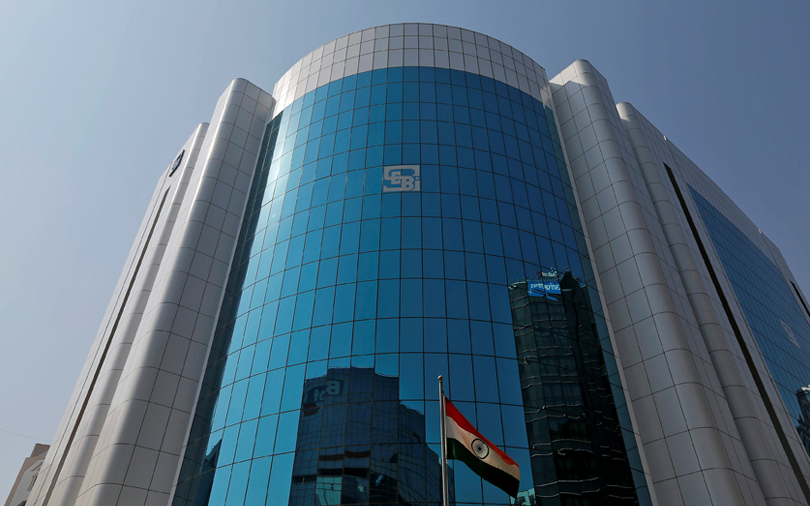
The Securities and Exchange Board of India (SEBI) reduced the minimum subscription size for publicly issued real estate investment trusts (REITs) and infrastructure investment trusts (InvITs) to a range of Rs 10,000-15,000 and revised the trading lot down to one unit.

Currently, the minimum subscription should not be less than Rs 1 lakh for InvITs and Rs 50,000 for REITs.

The relaxation in investment norms real estate investment trusts by SEBI is expected to improve liquidity for Indian REITs and investors, bring in more retail investors and encourage more public listings in the future.

Currently, there are three public listed office REITs in the country – Embassy REIT, Mindspace Business Parks REIT and the most recently listed Brookfield India REIT.

Commenting on SEBI’s announcement, says Sharad Agrawal, Executive Director, Capital Markets, Knight Frank India, “The latest announcement will remove the hurdle for small retail investors who despite their interest in this sector, could not invest due to the large ticket size. This reduction in the minimum ticket size will open up the market to those small retail investors and will also make it similar to any equity share in the minds of the investors. This can also help REITs and InvITs to be included into the indices depending on their market cap, further attracting additional investors. We have seen the impact of Covid on the office real estate for the last 15 months, but even within that we has a couple of good quarters between the two waves, where we saw good demand for office space. As the second wave recedes and companies return to work from office, we can see demand returning to the office sector. It is a good avenue for investors to take exposure to commercial realty as the ticket size is much lower, now made even lower with the latest move by SEBI. The investors does not have to go through the hassle of purchasing it, managing it and maintaining it. The investor gets a professional team to do all these activities and the investor has the flexibility to exit as and when she wants. This move coupled with the return to work from office will bring more confidence in the space and the couple of players who have been working on their REIT plans can even bring forward their listing timelines.”

According to Dhaval Ajmera, Director, Ajmera Realty & Infra India, “The recent times has seen massive expansion of retail investors in the stock markets. However, investors may be looking for asset diversification with flexibility and liquidity, where REITs fit the bill. The announcement by SEBI for relaxation of minimum application value to participate in REIT supporting primary market and as well downward revision in the lot size supporting secondary market is a progressive step and further deepens the market participation which enables a larger set of retail investors to invest in REITs. Although for office market segment, current pandemic situation may be a concern but potential of REIT as a solution in other segments like warehousing, co-sharing etc. may get further boost where we welcome the amendment and believe that it will help in higher flow of liquidity in the sector. Also the Indian economy is having a very positive outlook and measures like these will help India to reach Rs 5 trillion economy.”

The Securities and Exchange Board of India (SEBI) reduced the minimum subscription size for publicly issued real estate investment trusts (REITs) and infrastructure investment trusts (InvITs) to a range of Rs 10,000-15,000 and revised the trading lot down to one unit. Currently, the minimum subscription should not be less than Rs 1 lakh for InvITs and Rs 50,000 for REITs. The relaxation in investment norms real estate investment trusts by SEBI is expected to improve liquidity for Indian REITs and investors, bring in more retail investors and encourage more public listings in the future. Currently, there are three public listed office REITs in the country – Embassy REIT, Mindspace Business Parks REIT and the most recently listed Brookfield India REIT. Commenting on SEBI’s announcement, says Sharad Agrawal, Executive Director, Capital Markets, Knight Frank India, “The latest announcement will remove the hurdle for small retail investors who despite their interest in this sector, could not invest due to the large ticket size. This reduction in the minimum ticket size will open up the market to those small retail investors and will also make it similar to any equity share in the minds of the investors. This can also help REITs and InvITs to be included into the indices depending on their market cap, further attracting additional investors. We have seen the impact of Covid on the office real estate for the last 15 months, but even within that we has a couple of good quarters between the two waves, where we saw good demand for office space. As the second wave recedes and companies return to work from office, we can see demand returning to the office sector. It is a good avenue for investors to take exposure to commercial realty as the ticket size is much lower, now made even lower with the latest move by SEBI. The investors does not have to go through the hassle of purchasing it, managing it and maintaining it. The investor gets a professional team to do all these activities and the investor has the flexibility to exit as and when she wants. This move coupled with the return to work from office will bring more confidence in the space and the couple of players who have been working on their REIT plans can even bring forward their listing timelines.” According to Dhaval Ajmera, Director, Ajmera Realty & Infra India, “The recent times has seen massive expansion of retail investors in the stock markets. However, investors may be looking for asset diversification with flexibility and liquidity, where REITs fit the bill. The announcement by SEBI for relaxation of minimum application value to participate in REIT supporting primary market and as well downward revision in the lot size supporting secondary market is a progressive step and further deepens the market participation which enables a larger set of retail investors to invest in REITs. Although for office market segment, current pandemic situation may be a concern but potential of REIT as a solution in other segments like warehousing, co-sharing etc. may get further boost where we welcome the amendment and believe that it will help in higher flow of liquidity in the sector. Also the Indian economy is having a very positive outlook and measures like these will help India to reach Rs 5 trillion economy.”

Next Story
Infrastructure Transport

Large Format Store Planned At M G Road Metro Station

M G Road station in Bengaluru is set to host the city’s first large-format commercial and experience space, with planning led by Bangalore Metro Rail Corporation Limited. BMRCL has invited proposals to develop and operate a central business district destination at the Purple?Pink Line interchange. The plan positions the station as a commercial hub designed to serve a broad commuter base across the city. The proposal is part of a broader effort to activate transit nodes commercially. Tender documents set a minimum monthly rental of Rs 0.944 million (mn), inclusive of GST, for the large-format..

Next Story
Infrastructure Energy

Government Cancels Auction Of Eleven Critical Mineral Blocks

The government has cancelled the auction of 11 critical and strategic mineral blocks after receiving a poor investor response and failing to attract a sufficient number of qualified bidders. The decision represents a setback to plans to ramp up domestic exploration and production of critical minerals amid global supply chain disruptions and rising demand for materials used in clean energy and advanced technologies. The mines ministry issued an annulment notice setting out the reasons for the cancellations. The annulment notice indicated that the auction process for five mineral blocks was canc..

Next Story
Infrastructure Energy

Gujarat Pushes Biogas Growth With 193 Operational Units

Gujarat has operationalised 193 biogas plants across the state and is planning to add 60 more units as part of a broader push to scale up clean and sustainable energy solutions. The existing plants, established under various government-supported schemes, process organic waste including cattle dung and agricultural residue to produce biogas and a nutrient-rich slurry. The output is mainly used for cooking and other energy needs in rural and semi-urban communities, while also improving local waste management practices. The Gujarat Energy Development Agency (GEDA) is leading the initiative and is..

Advertisement

Subscribe to Our Newsletter

Get daily newsletters around different themes from Construction world.

STAY CONNECTED

Advertisement

Advertisement

Advertisement














