Second phase of Biomining project set to be completed by July
ECONOMY & POLICY

Second phase of Biomining project set to be completed by July

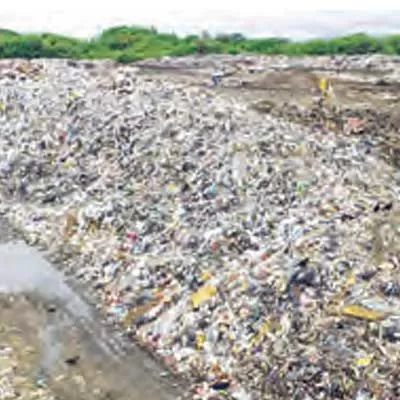
It was reported that the completion of the second phase of the biomining project, which aimed to segregate and process the accumulated solid waste at Ariyamangalam, the largest dumping yard in Tiruchi, was expected within a month. It was stated that the work had already reached 99% completion.

According to reports, Zigma Global Environ Solutions, a solid waste management firm based in Erode, was responsible for carrying out the biomining project. The project had started processing and clearing the garbage in October. The Smart Cities Mission initiative had allocated a budget of Rs 250 million for phase II of the project with the goal of clearing over 3.3 lakh cubic metres of waste.

The waste dumped in the yard, which amounted to approximately 3.3 lakh cubic meters, had been scientifically recycled. The process of disposing of the RDF (Refuse Derived Fuel), an industrial fuel, was currently in progress. B Sundarapandiyan, the manager of the firm, mentioned that they expected to complete the work by July since almost 99% of the task had already been accomplished. Currently, the RDF was being sent to factories in other states.

The transportation of the RDF generated from the dump yard was being carried out to various cement factories in Tamil Nadu and other states such as Maharashtra, Karnataka, and Andhra Pradesh. This fuel was being used as a substitute for fossil fuel in the kilns of these factories. On a daily basis, an average of 7,000 to 10,000 tonnes of RDF were being transported. During the first phase of biomining, which started in January 2019, waste totalling over 7.6 lakh cubic metres was removed from the dump yard at an expense of approximately Rs 490 million. Currently, the Corporation had successfully reclaimed 36 acres out of the total 47.7-acre area designated for the project.

To evaluate the waste located beneath the surface and determine measures to strengthen the soil, the civic body had sought the expertise of specialists. Experts from the National Institute of Technology (NIT) were conducting a comprehensive study to develop a Detailed Project Report (DPR) for the third phase of biomining. Once the DPR was completed, a tender would be issued for phase III, focusing on clearing seven lakh cubic metres of solid waste located below the surface. The process of clearing the garbage through scientific recycling was expected to take place over the next two years.

Also read:
NMDC to invest in first gold block
16 states receive Rs 560.41 billion for capital investment


It was reported that the completion of the second phase of the biomining project, which aimed to segregate and process the accumulated solid waste at Ariyamangalam, the largest dumping yard in Tiruchi, was expected within a month. It was stated that the work had already reached 99% completion. According to reports, Zigma Global Environ Solutions, a solid waste management firm based in Erode, was responsible for carrying out the biomining project. The project had started processing and clearing the garbage in October. The Smart Cities Mission initiative had allocated a budget of Rs 250 million for phase II of the project with the goal of clearing over 3.3 lakh cubic metres of waste. The waste dumped in the yard, which amounted to approximately 3.3 lakh cubic meters, had been scientifically recycled. The process of disposing of the RDF (Refuse Derived Fuel), an industrial fuel, was currently in progress. B Sundarapandiyan, the manager of the firm, mentioned that they expected to complete the work by July since almost 99% of the task had already been accomplished. Currently, the RDF was being sent to factories in other states. The transportation of the RDF generated from the dump yard was being carried out to various cement factories in Tamil Nadu and other states such as Maharashtra, Karnataka, and Andhra Pradesh. This fuel was being used as a substitute for fossil fuel in the kilns of these factories. On a daily basis, an average of 7,000 to 10,000 tonnes of RDF were being transported. During the first phase of biomining, which started in January 2019, waste totalling over 7.6 lakh cubic metres was removed from the dump yard at an expense of approximately Rs 490 million. Currently, the Corporation had successfully reclaimed 36 acres out of the total 47.7-acre area designated for the project. To evaluate the waste located beneath the surface and determine measures to strengthen the soil, the civic body had sought the expertise of specialists. Experts from the National Institute of Technology (NIT) were conducting a comprehensive study to develop a Detailed Project Report (DPR) for the third phase of biomining. Once the DPR was completed, a tender would be issued for phase III, focusing on clearing seven lakh cubic metres of solid waste located below the surface. The process of clearing the garbage through scientific recycling was expected to take place over the next two years. Also read: NMDC to invest in first gold block16 states receive Rs 560.41 billion for capital investment

Next Story
Infrastructure Urban

Implementation Status of Jal Jeevan Mission

Since August 2019 the Government has implemented Jal Jeevan Mission to provide assured potable water through household tap connections in rural India. At the start of the mission only 32.3 million (mn) rural households, representing 16.7 per cent, were reported to have tap water connections. States and union territories have reported that 125.8 mn additional rural households have since been provided with tap connections. As a result, of about 193.6 mn rural households roughly 158.2 mn, or 81.71 per cent, are reported to have tap water supply at home.\n\nThe State, district and village level st..

Next Story
Infrastructure Urban

Jal Jeevan Mission Reaches Eighty One Per Cent Rural Coverage

The Government reported substantial progress under the Jal Jeevan Mission, launched in August 2019 to provide tap water to every rural household. At launch only 32.3 million (mn) rural households had tap connections and states and Union territories reported provision of 125.8 mn additional households by March 2026. Consequently, out of about 193.6 mn rural households around 158.2 mn, or 81.71 per cent, are reported to have tap water at home. The Finance Minister announced extension of the mission until 2028 in the 2025-26 budget speech. The Swachh Bharat Mission Grameen, launched in October 20..

Next Story
Infrastructure Urban

Empowering Local Governance for Sustainable Rural Water Supply

The Ministry of Jal Shakti has aligned the Jal Jeevan Mission (JJM) with the 73rd Amendment to strengthen village level planning and community ownership of water supply. Gram Panchayats, village water and sanitation committees and Pani Samitis are to plan, implement, manage and maintain piped water systems, with gram sabha processes formalising handover and oversight. Implementation support agencies including non government organisations, community based organisations and self help groups have been empanelled to train local committees and promote women participation. Under JJM, the department ..

Advertisement

Subscribe to Our Newsletter

Get daily newsletters around different themes from Construction world.

STAY CONNECTED

Advertisement

Advertisement

Advertisement