Telangana ERC Asked to Consider Discom Capacity Addition Plans
ECONOMY & POLICY

Telangana ERC Asked to Consider Discom Capacity Addition Plans

The Telangana Electricity Regulatory Commission (ERC) has been asked to consider the capacity addition plans of the state’s distribution companies. Solar Energy Corporation of India (SECI), a central government public sector undertaking under the Ministry of New and Renewable Energy, said in-principle approval should not confine the Discoms to a single procurement route.

The proposal was discussed at a public hearing conducted by the ERC in Hyderabad. The Discoms proposed procuring 800 MW of standalone wind generation for 25 years and 3,000 MW of solar capacity sanctioned under the Telangana Green Energy Policy, integrated with 6,000 MWh of battery energy storage systems (BESS), configured as 1,000 MW for six hours, for 25 years.

They also proposed 2,000 MW of renewable energy round-the-clock power for 25 years, integrated with an appropriate energy storage system, along with 2,000 MWh of peak firm dispatchable renewable energy capacity, configured as 500 MW for four hours, for 15 years. SECI said its tenders had previously discovered competitive tariffs of Rs. 2.86-2.87 per kWh for solar power with four hours of storage and Rs. 3.12-3.13 per kWh with six hours of storage.

SECI said it could conduct a fresh tender for the required capacity based on the Discoms’ specifications if the state consented to such procurement. It also urged the ERC to permit procurement through any suitable route, including Renewable Energy Implementing Agencies such as SECI, alongside TG Genco and TGREDCO, citing broader bidder participation, aggregated demand and payment security mechanisms.

The ERC said the Discoms intended to select the route that best addressed state demand and supply requirements, tariff competitiveness, total landed cost and reliability. BRS leader and former energy minister G Jagadish Reddy questioned the proposed purchase of an additional 7,800 MW, alleging that the government was unable to properly supply the 27,000 MW already available. He also cited power cuts and infrastructure gaps, while the Discoms said the renewable and BESS capacity would support deficit periods, shift supply to peak hours and reduce reliance on costly short-term market purchases.

The Telangana Electricity Regulatory Commission (ERC) has been asked to consider the capacity addition plans of the state’s distribution companies. Solar Energy Corporation of India (SECI), a central government public sector undertaking under the Ministry of New and Renewable Energy, said in-principle approval should not confine the Discoms to a single procurement route. The proposal was discussed at a public hearing conducted by the ERC in Hyderabad. The Discoms proposed procuring 800 MW of standalone wind generation for 25 years and 3,000 MW of solar capacity sanctioned under the Telangana Green Energy Policy, integrated with 6,000 MWh of battery energy storage systems (BESS), configured as 1,000 MW for six hours, for 25 years. They also proposed 2,000 MW of renewable energy round-the-clock power for 25 years, integrated with an appropriate energy storage system, along with 2,000 MWh of peak firm dispatchable renewable energy capacity, configured as 500 MW for four hours, for 15 years. SECI said its tenders had previously discovered competitive tariffs of Rs. 2.86-2.87 per kWh for solar power with four hours of storage and Rs. 3.12-3.13 per kWh with six hours of storage. SECI said it could conduct a fresh tender for the required capacity based on the Discoms’ specifications if the state consented to such procurement. It also urged the ERC to permit procurement through any suitable route, including Renewable Energy Implementing Agencies such as SECI, alongside TG Genco and TGREDCO, citing broader bidder participation, aggregated demand and payment security mechanisms. The ERC said the Discoms intended to select the route that best addressed state demand and supply requirements, tariff competitiveness, total landed cost and reliability. BRS leader and former energy minister G Jagadish Reddy questioned the proposed purchase of an additional 7,800 MW, alleging that the government was unable to properly supply the 27,000 MW already available. He also cited power cuts and infrastructure gaps, while the Discoms said the renewable and BESS capacity would support deficit periods, shift supply to peak hours and reduce reliance on costly short-term market purchases.

Related Stories

Gold Stories

Next Story
Equipment

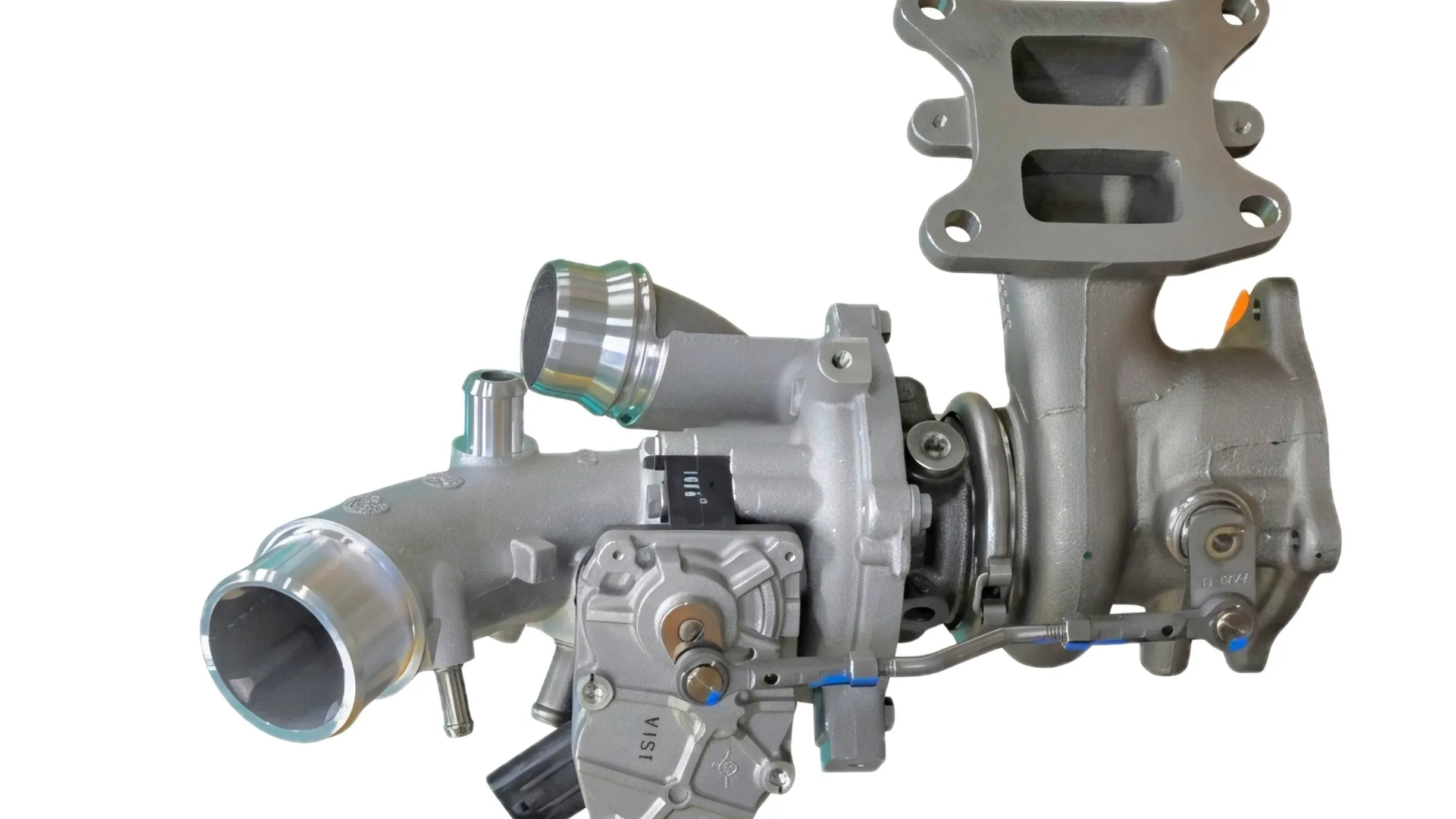
BorgWarner secures three turbocharger contracts with global powertrain leader

BorgWarner has secured three new turbocharger contracts with a global powertrain technology company. The wins comprise one contract for its variable turbine geometry (VTG) turbocharger and two for its wastegate turbocharger. The technologies will be deployed in the customer's light-vehicle gasoline platforms in South America and Europe, with production scheduled to begin in 2027.The VTG turbochargers are designed for gasoline engines operating under demanding conditions and high-boost pressure requirements. They are engineered to support Miller-cycle engines and withstand exhaust temperatures ..
Next Story
Infrastructure Transport

International Digi Yatra Trials Begin at Seven Airports

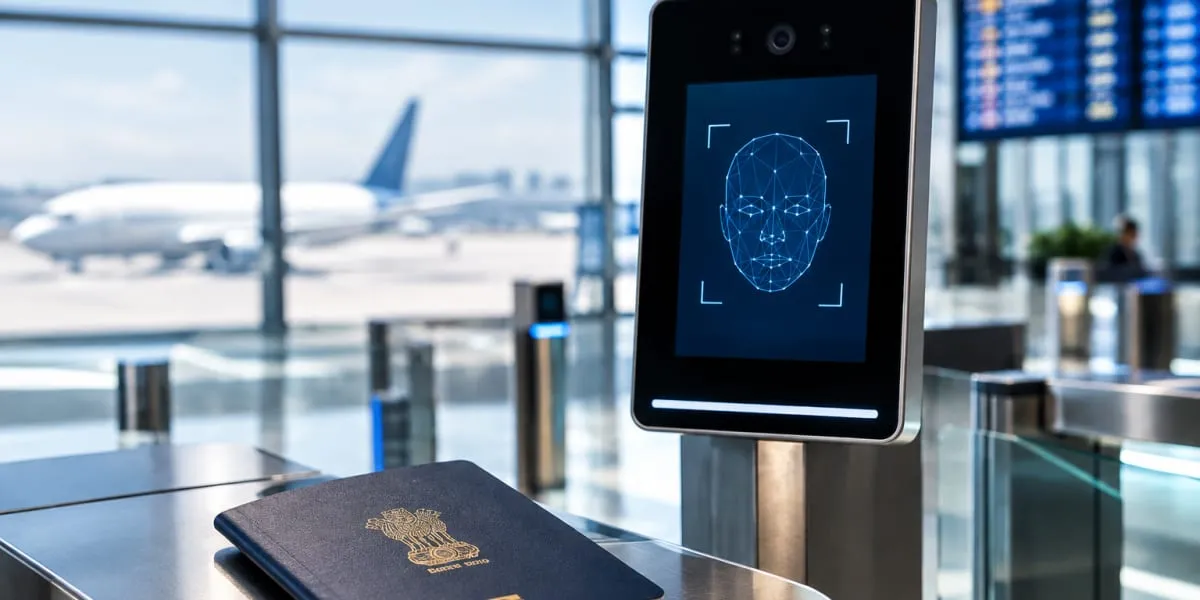
India has begun trials of Digi Yatra for international passengers at seven airports, allowing eligible Indian passport holders to use facial recognition at selected airport checkpoints. The facility is currently limited to Indian nationals with e-passports travelling on selected international flights operated by Air India and IndiGo. The Civil Aviation Ministry announced the trials on 1 November, with testing scheduled through December 2026. A wider rollout is expected in 2027 after the ministry assesses passenger feedback gathered during the trial period, according to PTI. The system is inten..

Next Story
Infrastructure Transport

Air India Plans More Wide-Body Jets, CEO Signals Profitability Soon

Air India is seeking to expand its order for wide-body aircraft as it works to increase international passenger traffic, chief executive Tewolde Gebremariam said on Tuesday. The Tata Group-owned carrier is also targeting a return to profitability in the near term, as its turnaround programme addresses fleet, network and service challenges. The comments came months after Gebremariam took charge of the airline. Gebremariam, who previously led Ethiopian Airlines, said the airline wanted more wide-body aircraft. Air India has held discussions with Boeing and Airbus while assessing the economics of..

Advertisement

Subscribe to Our Newsletter

Get daily newsletters around different themes from Construction world.

STAY CONNECTED

Advertisement

SPECIAL OFFER
QR Code