+
Users Encounter 403 Forbidden On BusinessWorld Article
ECONOMY & POLICY

Users Encounter 403 Forbidden On BusinessWorld Article

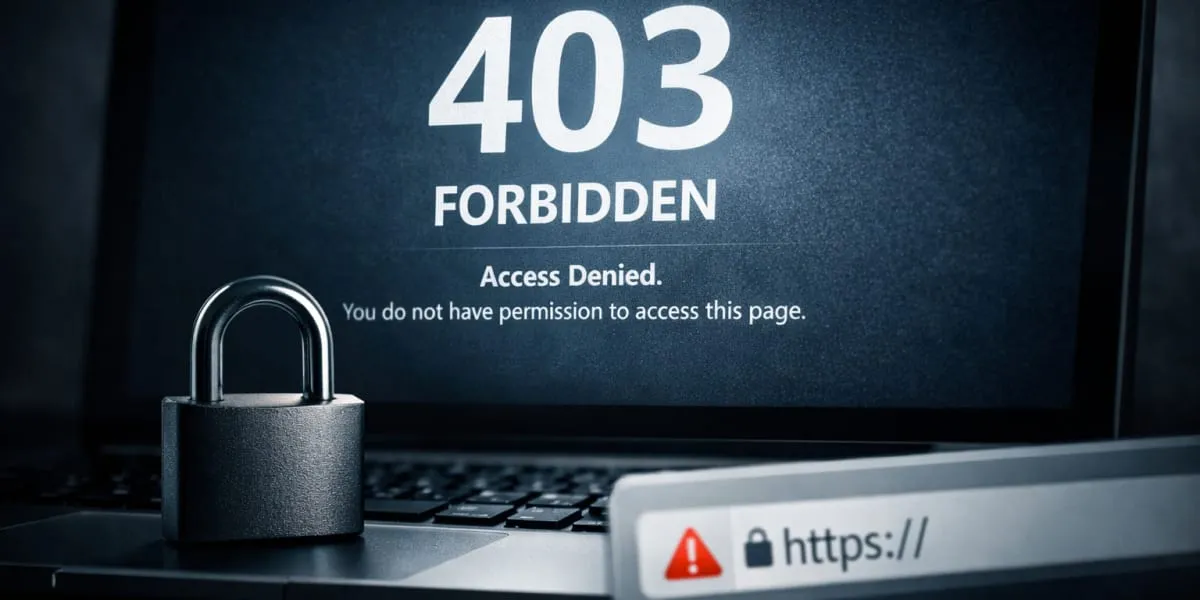
Readers attempting to access an online article from BusinessWorld via the provided link encountered a 403 Forbidden response indicating that access to the resource is denied by the server. The status code signals that the server understood the request but refuses to authorise it. Such responses arise from permission settings on the host rather than from removal of the underlying content.

Technical causes often include misconfigured file or directory permissions, restrictions in server configuration files, application firewall rules, or incorrect rule sets in access control lists. IP blocking or geoblocking measures may prevent visitors from certain locations. Expired authentication tokens or absent credentials will also result in denied access when resources require authorisation.

The practical effect is disruption for readers, researchers and businesses that rely on timely access to reporting and data. Interrupted access can hinder research workflows, delay decision making and reduce site traffic metrics that inform commercial arrangements. Publishers and advertisers may see an indirect financial impact if access issues persist and erode user confidence.

Users are advised to clear browser cache and cookies, attempt access from an alternative browser or device, and check whether a virtual private network is affecting routing. If an authenticated session is expected, signing in afresh or obtaining proper credentials may resolve the refusal. Website operators should monitor server logs, review permission rules and communicate maintenance windows to minimise user disruption. Contacting site support remains the pragmatic route when routine steps fail.

Organisations should implement clear error pages that explain cause and provide next steps to users, and maintain redundancy in hosting to reduce single points of failure. Regular audits of access control policies and timely updates to security appliances help prevent unintended blocks. Users and stakeholders should log incidents with detailed information to assist faster remediation by technical teams.

Readers attempting to access an online article from BusinessWorld via the provided link encountered a 403 Forbidden response indicating that access to the resource is denied by the server. The status code signals that the server understood the request but refuses to authorise it. Such responses arise from permission settings on the host rather than from removal of the underlying content. Technical causes often include misconfigured file or directory permissions, restrictions in server configuration files, application firewall rules, or incorrect rule sets in access control lists. IP blocking or geoblocking measures may prevent visitors from certain locations. Expired authentication tokens or absent credentials will also result in denied access when resources require authorisation. The practical effect is disruption for readers, researchers and businesses that rely on timely access to reporting and data. Interrupted access can hinder research workflows, delay decision making and reduce site traffic metrics that inform commercial arrangements. Publishers and advertisers may see an indirect financial impact if access issues persist and erode user confidence. Users are advised to clear browser cache and cookies, attempt access from an alternative browser or device, and check whether a virtual private network is affecting routing. If an authenticated session is expected, signing in afresh or obtaining proper credentials may resolve the refusal. Website operators should monitor server logs, review permission rules and communicate maintenance windows to minimise user disruption. Contacting site support remains the pragmatic route when routine steps fail. Organisations should implement clear error pages that explain cause and provide next steps to users, and maintain redundancy in hosting to reduce single points of failure. Regular audits of access control policies and timely updates to security appliances help prevent unintended blocks. Users and stakeholders should log incidents with detailed information to assist faster remediation by technical teams.

Next Story
Resources

Deepak Halder Appointed CEO Of Sarvottam India

Sarvottam India has appointed Deepak Halder as its Chief Executive Officer. With over 23 years of professional experience, including nearly two decades in the real estate sector, Halder brings extensive leadership and strategic expertise to the organisation. Halder began his career in real estate in 2007 and has held senior leadership roles with developers such as Bestech Group, Paras Buildtech, Hero Realty, ATS Infrastructure and Rajdarbar Group. During his career, he has been involved in strategic expansion, brand positioning, major project launches and revenue growth across residential and..

Next Story
Real Estate

India Drives APAC Office Leasing Growth in 2025: Colliers

Office demand across Asia Pacific’s 11 major markets reached 9.8 million sq m (105.5 million sq ft) in 2025, marking an 11 per cent year-on-year increase, according to Colliers’ Asia Pacific Office Market Insights February 2026 report. India, Mainland China and Japan accounted for over 90 per cent of the region’s total demand during the year, with India emerging as the dominant leasing market.India alone contributed nearly 68 per cent of total office leasing across the region and accounted for 55 per cent of new office supply among the top 11 APAC markets in 2025. The report highlights t..

Next Story
Infrastructure Urban

Ramky Infra Wins Rs 14.01 Billion Dighi Port Project

Ramky Infrastructure has secured an EPC contract worth Rs 14.01 billion from Maharashtra Industrial Township Limited (MITL) for infrastructure development works at the Dighi Port Industrial Area (DPIA) Phase 1 under the Delhi Mumbai Industrial Corridor (DMIC). The contract value includes GST and revenues from operations and maintenance (O&M).The project will be executed within 930 days from the appointed date, followed by a four-year O&M period starting from the commercial operation date (COD), with the possibility of extension through mutual agreement.MITL is a special purpose vehicle..

Advertisement

Subscribe to Our Newsletter

Get daily newsletters around different themes from Construction world.

STAY CONNECTED

Advertisement

Advertisement

Advertisement

Open In App