Vidyut Sakhis Recover Rs 6,570 Mn in UP Electricity Arrears
ECONOMY & POLICY

Vidyut Sakhis Recover Rs 6,570 Mn in UP Electricity Arrears

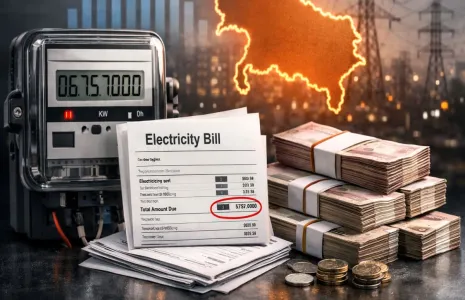
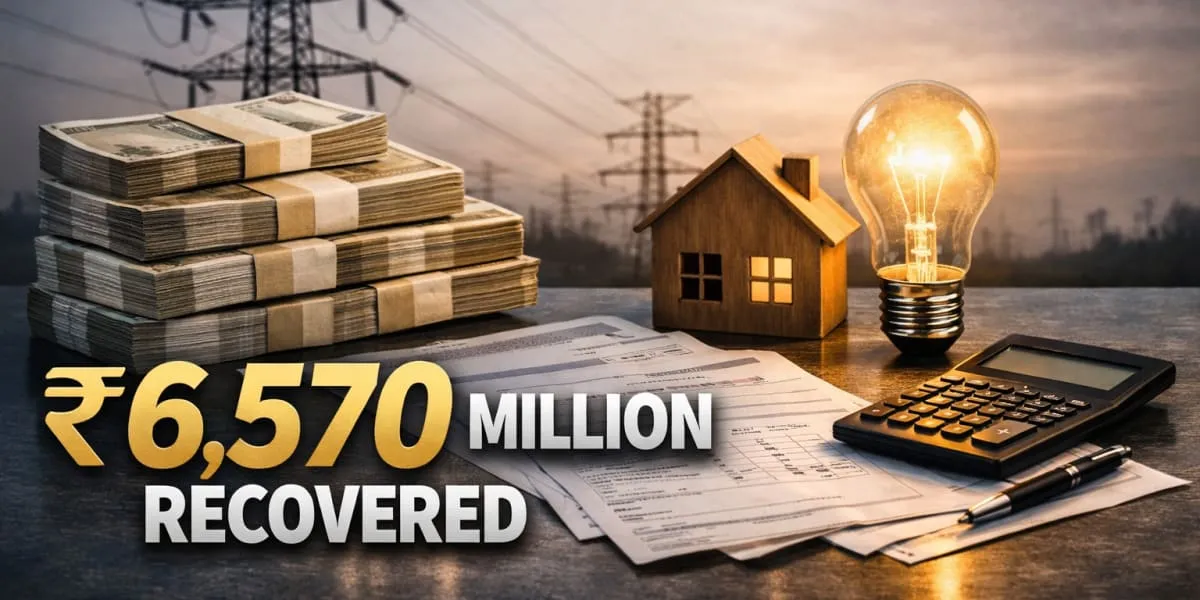
More than 15,000 women known as Vidyut Sakhis helped recover Rs 6,570 million (mn) in outstanding electricity bills in Uttar Pradesh during a 90-day One Time Settlement initiative of the Uttar Pradesh Power Corporation Limited (UPPCL).

The campaign, which ran from December 2025 to February 2026, saw the settlement of nearly one point seven seven five million pending bills and aimed to accelerate arrears recovery.

The Vidyut Sakhis earned a collective Rs 80 million (mn) in commission for facilitating payments at or near consumers' homes. The Vidyut Sakhis were trained under the Uttar Pradesh State Rural Livelihood Mission and tasked with accepting payments on behalf of UPPCL and assisting households with routine electricity matters.

The model sought to bring billing and collection services closer to consumers, particularly in rural and semi-urban areas where regular utility outreach can be limited. Officials framed the approach as a way to increase efficiency in revenue recovery while creating livelihood opportunities for local women.

Collections varied month to month, with December accounting for Rs 3,490 mn, January for Rs 1,880 mn and February for Rs 1,200 mn. The commission pool of Rs 80 mn was calculated on the basis of transaction volumes and values and differed between rural and urban areas, combining fixed amounts for low-value bills with percentage-based fees for larger payments.

Individual Vidyut Sakhis recorded notable results, with one agent in Amethi settling Rs 31 mn and others in Rampur and Barabanki collecting more than Rs 20 mn each. Districts including Saharanpur, Sultanpur and Meerut were highlighted for significant contributions to the overall recoveries.

Authorities said the initiative was intended to strengthen accountability and improve revenue collection without imposing direct pressure on consumers by using intermediaries who can facilitate doorstep payments. The decentralised scheme was presented as complementary to broader reforms in the power distribution sector where arrears recovery has been a persistent challenge, and officials indicated that continuing such outreach could sustain revenue improvements and enhance service accessibility.

More than 15,000 women known as Vidyut Sakhis helped recover Rs 6,570 million (mn) in outstanding electricity bills in Uttar Pradesh during a 90-day One Time Settlement initiative of the Uttar Pradesh Power Corporation Limited (UPPCL). The campaign, which ran from December 2025 to February 2026, saw the settlement of nearly one point seven seven five million pending bills and aimed to accelerate arrears recovery. The Vidyut Sakhis earned a collective Rs 80 million (mn) in commission for facilitating payments at or near consumers' homes. The Vidyut Sakhis were trained under the Uttar Pradesh State Rural Livelihood Mission and tasked with accepting payments on behalf of UPPCL and assisting households with routine electricity matters. The model sought to bring billing and collection services closer to consumers, particularly in rural and semi-urban areas where regular utility outreach can be limited. Officials framed the approach as a way to increase efficiency in revenue recovery while creating livelihood opportunities for local women. Collections varied month to month, with December accounting for Rs 3,490 mn, January for Rs 1,880 mn and February for Rs 1,200 mn. The commission pool of Rs 80 mn was calculated on the basis of transaction volumes and values and differed between rural and urban areas, combining fixed amounts for low-value bills with percentage-based fees for larger payments. Individual Vidyut Sakhis recorded notable results, with one agent in Amethi settling Rs 31 mn and others in Rampur and Barabanki collecting more than Rs 20 mn each. Districts including Saharanpur, Sultanpur and Meerut were highlighted for significant contributions to the overall recoveries. Authorities said the initiative was intended to strengthen accountability and improve revenue collection without imposing direct pressure on consumers by using intermediaries who can facilitate doorstep payments. The decentralised scheme was presented as complementary to broader reforms in the power distribution sector where arrears recovery has been a persistent challenge, and officials indicated that continuing such outreach could sustain revenue improvements and enhance service accessibility.

Next Story
Real Estate

Housing Sales Dip 7 per cent QoQ Across Top Cities

India’s housing market saw a 7 per cent quarter-on-quarter decline in sales across the top seven cities in Q1 2026, with approximately 1,01,675 units sold compared to 1,08,970 units in Q4 2025, according to ANAROCK Group. However, on a yearly basis, sales rose 9 per cent, indicating continued underlying demand.The total sales value stood at around Rs 1.51 trillion, reflecting a 5 per cent quarterly drop but a 6 per cent annual increase. Mumbai Metropolitan Region and Bengaluru together accounted for nearly 48 per cent of total sales, while Chennai recorded the highest quarterly decline at 18..

Next Story
Real Estate

Birla Estates Enters Mumbai Redevelopment

Birla Estates has announced its entry into Mumbai’s redevelopment segment with a luxury residential project in Khar West, developed in partnership with Parinee Real Estate Builders. The project will redevelop Anmol Co-operative Housing Society and Bhartiya Bhavan Co-operative Housing Society, marking the company’s first redevelopment initiative in the Mumbai Metropolitan Region.Spread across 1.3 acres, the development will offer a saleable area of 2.9 lakh sq ft with an estimated revenue potential of Rs 17 billion. Positioned in one of Mumbai’s prime residential micro-markets, the projec..

Next Story
Infrastructure Urban

Hitachi, MUFG Expand EV Financing Model

Hitachi and MUFG Bank have expanded their NextGen business co-creation model to accelerate decarbonised mobility by financing electric vehicles and charging infrastructure. The renewed collaboration aims to address key barriers to electrification, including limited access to capital and the need for integrated energy solutions.Building on earlier partnerships, the expanded model extends beyond battery-focused solutions to include electric mobility assets, charging systems and energy management infrastructure across global markets. The initiative will leverage structured financing through speci..

Advertisement

Subscribe to Our Newsletter

Get daily newsletters around different themes from Construction world.

STAY CONNECTED

Advertisement

Advertisement

Advertisement