Cabinet approves PM Electric Drive Revolution (PM E-DRIVE) scheme
Company News

Cabinet approves PM Electric Drive Revolution (PM E-DRIVE) scheme

The Union Cabinet chaired by Prime Minister Narendra Modi, has approved the proposal of the Ministry of Heavy Industries (MHI) for implementation of a scheme titled ‘PM Electric Drive Revolution in Innovative Vehicle Enhancement (PM E-DRIVE) Scheme’ for promotion of electric mobility in the country.

Girish Wagh, Executive Director, Tata Motors, regarding the PM E-Drive announcement said, “We welcome the announcement of PM E-DRIVE scheme, as it will accelerate India’s journey towards zero-emission mobility with greater speed and rigour, especially in trucks, buses and the ambulance segment. We continue to collaborate with the government and other stakeholders in this nation building endeavour towards sustainable transportation.”

The scheme has an outlay of Rs 109 billion over a period of two years. The major components of the scheme are as under:

Subsidies/Demand incentives worth Rs 36.79 billion have been provided to incentivise e-2Ws, e-3Ws, e-ambulances, e-trucks and other emerging EVs. The scheme will support 2.47 million e-2Ws, 0.316 million e-3Ws and 14,028 e-buses.

MHI is introducing e-vouchers for EV buyers to avail demand incentives under the scheme. At the time of purchase of the EV, the scheme portal will generate an Aadhaar authenticated e-Voucher for the buyer. A link to download the e- voucher shall be sent to the registered mobile number of the buyer.

This e-voucher will be signed by the buyer and submitted to the dealer to avail demand incentives under the scheme. Thereafter, the e-Voucher will also be signed by the dealer and uploaded on the PM E-DRIVE portal. The signed e-voucher shall be sent to the buyer and dealer through an SMS. The signed e-voucher will be essential for OEMs to claim reimbursement of demand incentives under the scheme.

The scheme allocates Rs 5 billion for deployment of e-ambulances. This is a new initiative of the Government of India to promote the use of e-ambulance for a comfortable patient transport. The performance and safety standards of e-ambulances will be formulated in consultation with MoHFW, MoRTH and other relevant stakeholders.

A sum of Rs 43.91 billion has been provided for procurement of 14,028 e-buses by STUs/public transport agencies. The demand aggregation will be done by CESL in the nine cities with over 4 million population namely Delhi, Mumbai, Kolkata, Chennai, Ahmedabad, Surat, Bangalore, Pune and Hyderabad. Intercity and Interstate e-buses will also be supported in consultation with states.

While allocating buses to cities/states, first preference shall be given to those number of buses of cities/states, which are being procured after scrapping old STU buses, through authorised scrapping centres (RVSFs) following the MoRTH Vehicle Scrapping Scheme guidelines.

The trucks are a major contributor to air pollution. The scheme will promote the deployment of e-trucks in the country. Rs 5 billion has been allocated for incentivising e-trucks. Incentives will be given to those who have a scrapping certificate from MoRTH approved vehicles scrapping centres (RVSF).

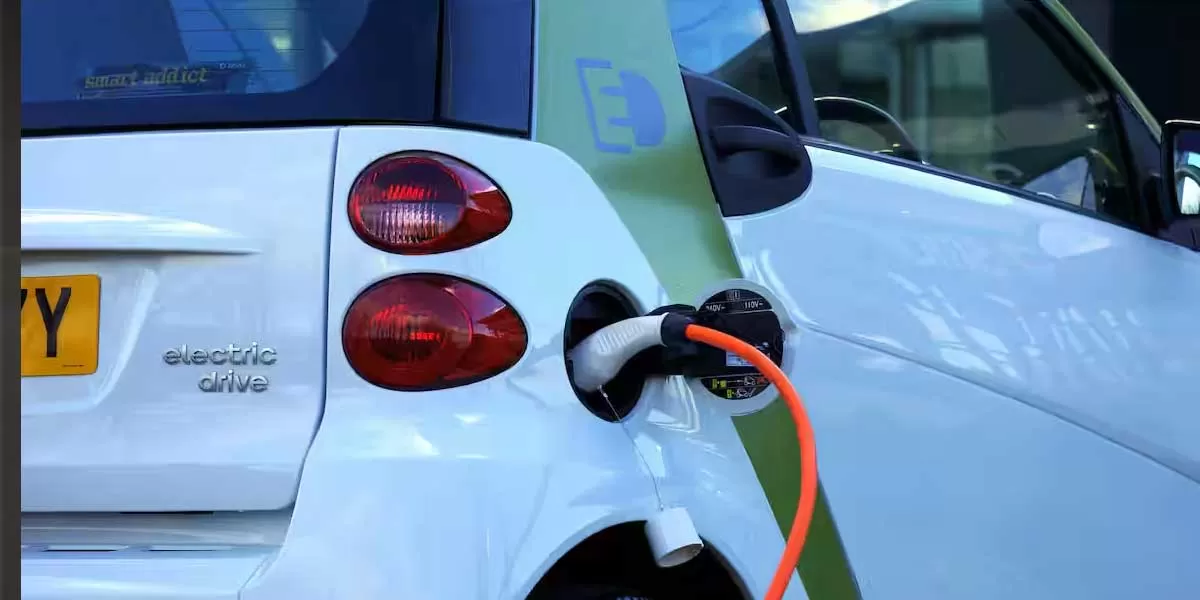
The scheme addresses range anxiety of EV buyers by promoting in a big way the installation of electric vehicle public charging stations (EVPCS). These EVPCS shall be installed in the selected cities with high EV penetration and also on selected highways. The scheme proposes the installation of 22,100 fast chargers for e-4 Ws, 1,800 fast chargers for e-buses and 48,400 fast chargers for e-2W/3Ws. The outlay for EV PCS will be Rs 20 billion.

In view of the growing EV ecosystem in the country, the test agencies of MHI will be modernised to deal with the new and emerging technologies to promote green mobility. The upgradation of testing agencies with an outlay of Rs 7.8 billion under the aegis of MHI has been approved.

The scheme promotes mass mobility by supporting means of public transportation. The primary objective of the PM E-DRIVE scheme is to expedite the adoption of EVs by providing upfront incentives for their purchase, as well as by facilitating the establishment of essential charging infrastructure for EVs. The PM E-DRIVE scheme aims to promote EVs to reduce the environmental impact of transportation and improve air quality.

The scheme promotes an efficient, competitive and resilient EV manufacturing industry thereby promoting Aatmanirbhar Bharat. This will be achieved by incorporating a phased manufacturing programme (PMP) which encourages domestic manufacturing and strengthening of EV supply chain.

This initiative of Govt. of India is poised to address concerns regarding environmental pollution and fuel security as well as to make significant progress in promoting sustainable transportation solutions. This scheme along with its PMP, shall spur investment in the EV sector and associated supply chain. The scheme shall create significant employment opportunities along the value chain. There will also be employment generation through manufacturing and establishment of charging infrastructure.


The Union Cabinet chaired by Prime Minister Narendra Modi, has approved the proposal of the Ministry of Heavy Industries (MHI) for implementation of a scheme titled ‘PM Electric Drive Revolution in Innovative Vehicle Enhancement (PM E-DRIVE) Scheme’ for promotion of electric mobility in the country.Girish Wagh, Executive Director, Tata Motors, regarding the PM E-Drive announcement said, “We welcome the announcement of PM E-DRIVE scheme, as it will accelerate India’s journey towards zero-emission mobility with greater speed and rigour, especially in trucks, buses and the ambulance segment. We continue to collaborate with the government and other stakeholders in this nation building endeavour towards sustainable transportation.”The scheme has an outlay of Rs 109 billion over a period of two years. The major components of the scheme are as under:Subsidies/Demand incentives worth Rs 36.79 billion have been provided to incentivise e-2Ws, e-3Ws, e-ambulances, e-trucks and other emerging EVs. The scheme will support 2.47 million e-2Ws, 0.316 million e-3Ws and 14,028 e-buses.MHI is introducing e-vouchers for EV buyers to avail demand incentives under the scheme. At the time of purchase of the EV, the scheme portal will generate an Aadhaar authenticated e-Voucher for the buyer. A link to download the e- voucher shall be sent to the registered mobile number of the buyer.This e-voucher will be signed by the buyer and submitted to the dealer to avail demand incentives under the scheme. Thereafter, the e-Voucher will also be signed by the dealer and uploaded on the PM E-DRIVE portal. The signed e-voucher shall be sent to the buyer and dealer through an SMS. The signed e-voucher will be essential for OEMs to claim reimbursement of demand incentives under the scheme.The scheme allocates Rs 5 billion for deployment of e-ambulances. This is a new initiative of the Government of India to promote the use of e-ambulance for a comfortable patient transport. The performance and safety standards of e-ambulances will be formulated in consultation with MoHFW, MoRTH and other relevant stakeholders.A sum of Rs 43.91 billion has been provided for procurement of 14,028 e-buses by STUs/public transport agencies. The demand aggregation will be done by CESL in the nine cities with over 4 million population namely Delhi, Mumbai, Kolkata, Chennai, Ahmedabad, Surat, Bangalore, Pune and Hyderabad. Intercity and Interstate e-buses will also be supported in consultation with states.While allocating buses to cities/states, first preference shall be given to those number of buses of cities/states, which are being procured after scrapping old STU buses, through authorised scrapping centres (RVSFs) following the MoRTH Vehicle Scrapping Scheme guidelines.The trucks are a major contributor to air pollution. The scheme will promote the deployment of e-trucks in the country. Rs 5 billion has been allocated for incentivising e-trucks. Incentives will be given to those who have a scrapping certificate from MoRTH approved vehicles scrapping centres (RVSF).The scheme addresses range anxiety of EV buyers by promoting in a big way the installation of electric vehicle public charging stations (EVPCS). These EVPCS shall be installed in the selected cities with high EV penetration and also on selected highways. The scheme proposes the installation of 22,100 fast chargers for e-4 Ws, 1,800 fast chargers for e-buses and 48,400 fast chargers for e-2W/3Ws. The outlay for EV PCS will be Rs 20 billion.In view of the growing EV ecosystem in the country, the test agencies of MHI will be modernised to deal with the new and emerging technologies to promote green mobility. The upgradation of testing agencies with an outlay of Rs 7.8 billion under the aegis of MHI has been approved.The scheme promotes mass mobility by supporting means of public transportation. The primary objective of the PM E-DRIVE scheme is to expedite the adoption of EVs by providing upfront incentives for their purchase, as well as by facilitating the establishment of essential charging infrastructure for EVs. The PM E-DRIVE scheme aims to promote EVs to reduce the environmental impact of transportation and improve air quality.The scheme promotes an efficient, competitive and resilient EV manufacturing industry thereby promoting Aatmanirbhar Bharat. This will be achieved by incorporating a phased manufacturing programme (PMP) which encourages domestic manufacturing and strengthening of EV supply chain.This initiative of Govt. of India is poised to address concerns regarding environmental pollution and fuel security as well as to make significant progress in promoting sustainable transportation solutions. This scheme along with its PMP, shall spur investment in the EV sector and associated supply chain. The scheme shall create significant employment opportunities along the value chain. There will also be employment generation through manufacturing and establishment of charging infrastructure.
Related Stories

Next Story
Resources

Schindler named among Forbes’ World’s Best Employers 2026

Schindler has been named among Forbes’ World’s Best Employers 2026, a global ranking recognising companies for their workplace environments.Compiled by Forbes in partnership with Statista, the ranking is based on independent employee feedback, including whether employees would recommend their organisation to friends and family.The company said the recognition reflected its focus on creating a workplace where employees can develop their expertise and build careers. ..

Next Story
Infrastructure Urban

India needs an export-execution mindset: Vishesh Jain

Interview with Vishesh Jain, Founder & CEO, EximpleWhat gaps in India’s global trade ecosystem led you to build Eximple, and what problem did you see businesses struggling with most?Eximple came out of a problem that all three founders had seen from different choke points in the trade ecosystem. India has millions of MSMEs and manufacturers, and many of them can make products that are genuinely competitive on quality. Yet only a small fraction is able to build meaningful international businesses. In our experience, the gap is usually not manufacturing capability; it is the ability to exe..

Next Story
Building Material

Nuvoco reports 13.5% revenue growth in Q2 FY27

Nuvoco Vistas Corp. Ltd. reported consolidated revenue of Rs 27.9 billion for Q2 FY27, up 13.5% year on year. Cement sales volume rose 9% to 4.7 million tonnes (MMT), while EBITDA increased 11% to Rs 4.11 billion.The company said it began its cement operations in 2014 with a 2.3 MMT per annum (MMTPA) operation at Nimbol. It now aims to reach 35 MMTPA of cement capacity by FY28, nearly 15 times its initial capacity. Its portfolio spans cement, ready-mix concrete and modern building materials.On sustainability and cost efficiency, Nuvoco partnered with CleanMax for a 46.4 MW wind-solar hybrid re..

Advertisement

Subscribe to Our Newsletter

Get daily newsletters around different themes from Construction world.

STAY CONNECTED

Advertisement

SPECIAL OFFER
QR Code