
EU Carbon Tax Set To Hit India’s Steel Exports
Steel

EU Carbon Tax Set To Hit India’s Steel Exports

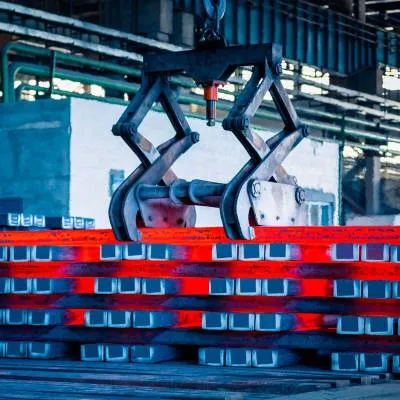
India’s steel exports to Europe are expected to decline once the European Union’s carbon tax comes into force next month, prompting domestic producers to look for alternative buyers in Africa and the Middle East, according to industry executives and analysts. From 1 January, steel imported into the European Economic Area will be subject to a levy under the EU’s Carbon Border Adjustment Mechanism (CBAM), which also covers cement, electricity, fertilisers and other emissions-intensive products.

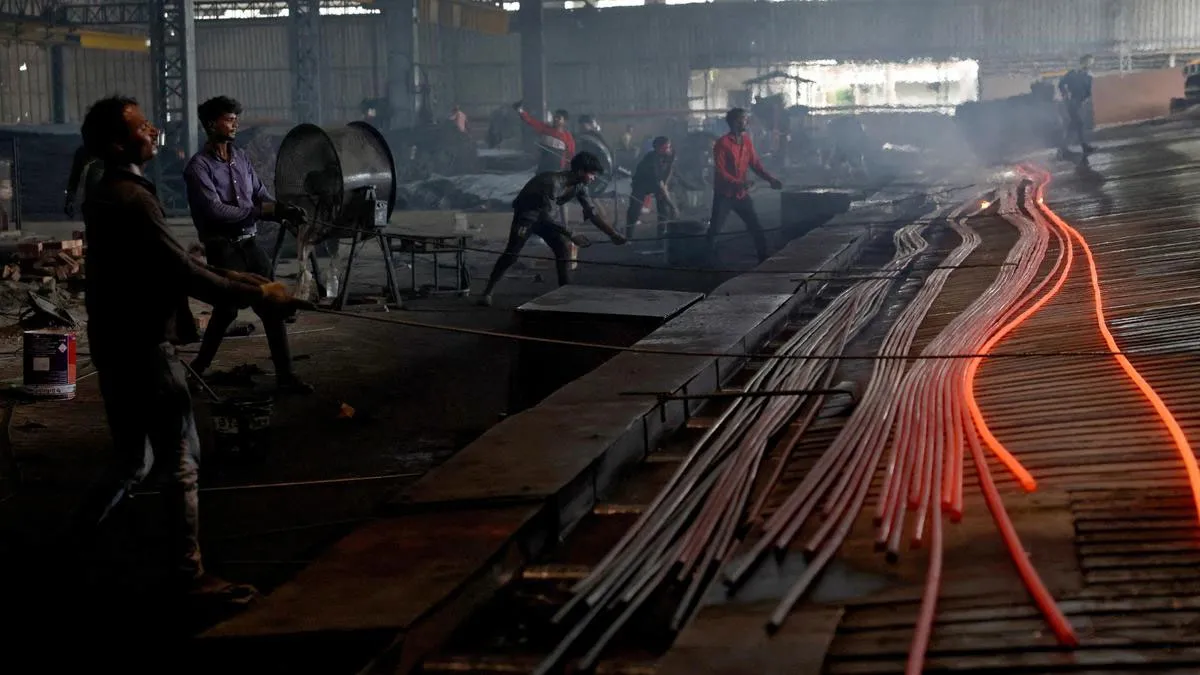
India, the world’s second-largest crude steel producer after China, currently directs around two-thirds of its steel exports to Europe. Experts say the new regime will force Indian mills to accelerate emissions reduction. Former steel secretary Aruna Sharma said companies recognise the need for environmentally responsible production but are simultaneously scouting for new export markets.

Most Indian steel is produced using blast furnaces, which generate significantly higher emissions than electric arc furnaces. The Ministry of Steel’s top civil servant, Sandeep Poundrik, noted earlier that further blast furnace expansion is a concern. Global Energy Monitor estimates that upcoming capacity additions could increase sectoral emissions by roughly 680 million metric tonnes of carbon-dioxide equivalent.

Steady domestic demand—backed by infrastructure spending—has spurred Indian steelmakers to expand capacity. However, the new EU levy is expected to weigh on export volumes in the near term. “Most companies are still figuring out how to deal with CBAM,” said Ravi Sodah, analyst at Elara Capital. “It is expected to slow down India’s exports to the EU.”

Two senior executives at major steel firms said they had little clarity on how the tax would be calculated. One noted that with about 60 per cent of their exports heading to Europe, clarity on whether the tax would be uniform or company-specific was crucial.

According to CreditSights’ Lakshmanan R, the levy will increase the cost of Indian steel exports to Europe—particularly those produced via blast furnaces—compressing margins and eroding market share unless emissions fall. In response, producers are seeking to diversify their customer base, with mills targeting the Middle East through quick delivery commitments and flexible payment terms, said CRU Group principal analyst Shankhadeep Mukherjee.

India’s steel exports to Europe are expected to decline once the European Union’s carbon tax comes into force next month, prompting domestic producers to look for alternative buyers in Africa and the Middle East, according to industry executives and analysts. From 1 January, steel imported into the European Economic Area will be subject to a levy under the EU’s Carbon Border Adjustment Mechanism (CBAM), which also covers cement, electricity, fertilisers and other emissions-intensive products. India, the world’s second-largest crude steel producer after China, currently directs around two-thirds of its steel exports to Europe. Experts say the new regime will force Indian mills to accelerate emissions reduction. Former steel secretary Aruna Sharma said companies recognise the need for environmentally responsible production but are simultaneously scouting for new export markets. Most Indian steel is produced using blast furnaces, which generate significantly higher emissions than electric arc furnaces. The Ministry of Steel’s top civil servant, Sandeep Poundrik, noted earlier that further blast furnace expansion is a concern. Global Energy Monitor estimates that upcoming capacity additions could increase sectoral emissions by roughly 680 million metric tonnes of carbon-dioxide equivalent. Steady domestic demand—backed by infrastructure spending—has spurred Indian steelmakers to expand capacity. However, the new EU levy is expected to weigh on export volumes in the near term. “Most companies are still figuring out how to deal with CBAM,” said Ravi Sodah, analyst at Elara Capital. “It is expected to slow down India’s exports to the EU.” Two senior executives at major steel firms said they had little clarity on how the tax would be calculated. One noted that with about 60 per cent of their exports heading to Europe, clarity on whether the tax would be uniform or company-specific was crucial. According to CreditSights’ Lakshmanan R, the levy will increase the cost of Indian steel exports to Europe—particularly those produced via blast furnaces—compressing margins and eroding market share unless emissions fall. In response, producers are seeking to diversify their customer base, with mills targeting the Middle East through quick delivery commitments and flexible payment terms, said CRU Group principal analyst Shankhadeep Mukherjee.

Next Story
Infrastructure Energy

Arunachal Launches First Commercial Coal Block

The Coal Ministry has announced the launch of Arunachal Pradesh’s first commercial coal block, marking a major step in expanding industrial activity in the North East. The project is expected to produce around 0.2 million tonnes per annum and generate nearly Rs 1.75 billion in annual revenue. The initiative is also set to create hundreds of local jobs, supporting economic growth and strengthening regional development. It forms part of the government’s broader commitment to promoting self-reliance and sustainable progress under the vision of Viksit Bharat. Sharing the announcement, the Un..

Next Story
Infrastructure Urban

Bihar Clears Major Spend For Police Infrastructure

The Bihar government has approved a wide-ranging programme to construct police infrastructure across Nawada, Lakhisarai and Samastipur districts, with a total estimated investment of Rs 2.76 billion. Deputy Chief Minister Samrat Choudhary, who oversees the home department, confirmed that all three projects have secured approval and construction will begin shortly. He said the initiative aims to modernise the police force and improve living conditions for personnel, ultimately strengthening policing across the state. In Nawada, the government has sanctioned the construction of twelve single ho..

Next Story
Infrastructure Transport

India Unveils First All-Electric Green Tug

Union Minister for Ports, Shipping and Waterways, Sarbananda Sonowal, has virtually inaugurated the steel-cutting ceremony for India’s first all-electric green tug, marking a major leap towards sustainable maritime operations. The vessel, designed for the Deendayal Port Authority (DPA) in Kandla, forms a key part of the Ministry’s Green Tug Transition Programme (GTTP), which aims to accelerate maritime decarbonisation across the country. The virtual ceremony was attended by Minister of State for Ports, Shipping and Waterways, Shantanu Thakur, along with senior officials from DPA and partn..

Advertisement

Subscribe to Our Newsletter

Get daily newsletters around different themes from Construction world.

STAY CONNECTED

Advertisement

Advertisement

Advertisement

Advertisement

Open In App