
Steel imports from Russia jump over 400% in Apr-Nov period
Steel

Steel imports from Russia jump over 400% in Apr-Nov period

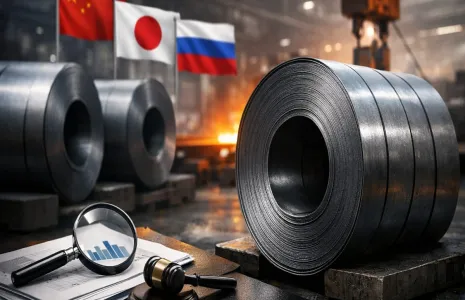
The biggest amount in recent memory, 468 percent more Russian steel was sent to India between April and November of this year.

India received 218,000 tonnes of shipments for $253 million over the eight-month period under evaluation, compared to only 38,400 tonnes of shipments worth $61 million from Russia during the same time last year.

Major causes

Over the past few months, some of India's biggest steel mills have expressed concern over increased imports from Russia and other important markets like China and Korea due to cheaper supplies, mill distress sales, and a decline in global steel prices.

According to a report from the Union Steel Ministry, Korea is the largest exporter to India in terms of volume and value, with nearly 1.5 million tonnes (mt) of steel coming in during April to November, a rise of 16%. Shipments from Russia saw the highest increase in percentage terms, making it the fourth largest supplier.

Other major exporters

China, Japan, and Indonesia are among additional significant exporters to India. Shipments from Japan decreased by 6%, while those from China and Indonesia increased by 69% and 3%, respectively, year over year.

Total completed steel imports were 3.751 mt, up 22.5% year over year. From June through November, the amount of steel imported into India grew year over year, ranging from 444,000 to 600,000 tonnes.

Over 92% more than during the same time last year was seen in November.

"Volume wise, Korea (1.495 mt) was the top import market for India (40 per cent share in total)," the study stated. "HR coil/strip (1.22 mt) was the item most imported (33 per cent stake in total completed steel).

Category-wise break-up

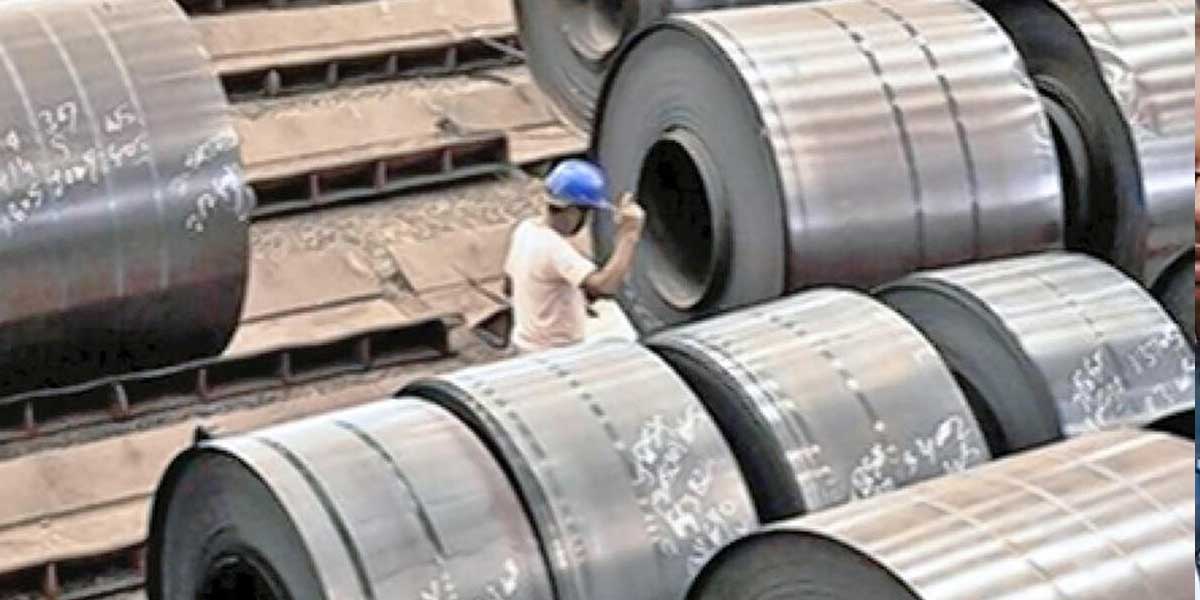
A total of 158,400 tonnes of hot-rolled coils and strips, 9200 tonnes of plain and corrugated galvanised sheets (GP/GC sheets), 50,400 tonnes of electrical sheets, and a hundred or so tonnes of miscellaneous goods were imported from Russia.

Semi-finished steel imports from Russia were valued at $2.9 million, while finished steel imports were worth $250 million.

In July of this year, as well as in October and November of the same year, India became a net importer of steel (imports exceeding exports). Nevertheless, over the eight-month span, the nation continued to be a net exporter of steel.

The biggest amount in recent memory, 468 percent more Russian steel was sent to India between April and November of this year. India received 218,000 tonnes of shipments for $253 million over the eight-month period under evaluation, compared to only 38,400 tonnes of shipments worth $61 million from Russia during the same time last year. Major causes Over the past few months, some of India's biggest steel mills have expressed concern over increased imports from Russia and other important markets like China and Korea due to cheaper supplies, mill distress sales, and a decline in global steel prices. According to a report from the Union Steel Ministry, Korea is the largest exporter to India in terms of volume and value, with nearly 1.5 million tonnes (mt) of steel coming in during April to November, a rise of 16%. Shipments from Russia saw the highest increase in percentage terms, making it the fourth largest supplier. Other major exporters China, Japan, and Indonesia are among additional significant exporters to India. Shipments from Japan decreased by 6%, while those from China and Indonesia increased by 69% and 3%, respectively, year over year. Total completed steel imports were 3.751 mt, up 22.5% year over year. From June through November, the amount of steel imported into India grew year over year, ranging from 444,000 to 600,000 tonnes. Over 92% more than during the same time last year was seen in November. Volume wise, Korea (1.495 mt) was the top import market for India (40 per cent share in total), the study stated. HR coil/strip (1.22 mt) was the item most imported (33 per cent stake in total completed steel). Category-wise break-up A total of 158,400 tonnes of hot-rolled coils and strips, 9200 tonnes of plain and corrugated galvanised sheets (GP/GC sheets), 50,400 tonnes of electrical sheets, and a hundred or so tonnes of miscellaneous goods were imported from Russia. Semi-finished steel imports from Russia were valued at $2.9 million, while finished steel imports were worth $250 million. In July of this year, as well as in October and November of the same year, India became a net importer of steel (imports exceeding exports). Nevertheless, over the eight-month span, the nation continued to be a net exporter of steel.

Next Story
Infrastructure Transport

Tunnelling Begins for Thane, Borivali twin tunnel project

Tunnelling work has commenced for the 11.84-km Thane–Borivali Twin Tunnel, set to be India’s longest urban road tunnel, marking a key milestone in Mumbai’s infrastructure development.As per a post shared by Mumbai Metropolitan Region Development Authority on social media platform X, the tunnel boring machine (TBM) ‘Nayak’—the country’s largest single-shield hard rock TBM for an urban tunnel—was launched by Devendra Fadnavis on Tuesday. The event was attended by Eknath Shinde and Sunetra Pawar, among other dignitaries. A second TBM, ‘Arjuna’, is expected to be launched so..

Next Story
Infrastructure Transport

Large Format Store Planned At M G Road Metro Station

M G Road station in Bengaluru is set to host the city’s first large-format commercial and experience space, with planning led by Bangalore Metro Rail Corporation Limited. BMRCL has invited proposals to develop and operate a central business district destination at the Purple?Pink Line interchange. The plan positions the station as a commercial hub designed to serve a broad commuter base across the city. The proposal is part of a broader effort to activate transit nodes commercially. Tender documents set a minimum monthly rental of Rs 0.944 million (mn), inclusive of GST, for the large-format..

Next Story
Infrastructure Energy

Government Cancels Auction Of Eleven Critical Mineral Blocks

The government has cancelled the auction of 11 critical and strategic mineral blocks after receiving a poor investor response and failing to attract a sufficient number of qualified bidders. The decision represents a setback to plans to ramp up domestic exploration and production of critical minerals amid global supply chain disruptions and rising demand for materials used in clean energy and advanced technologies. The mines ministry issued an annulment notice setting out the reasons for the cancellations. The annulment notice indicated that the auction process for five mineral blocks was canc..

Advertisement

Subscribe to Our Newsletter

Get daily newsletters around different themes from Construction world.

STAY CONNECTED

Advertisement

Advertisement

Advertisement