

Steel Plant Issue Threatens Political Parties
Steel

Steel Plant Issue Threatens Political Parties

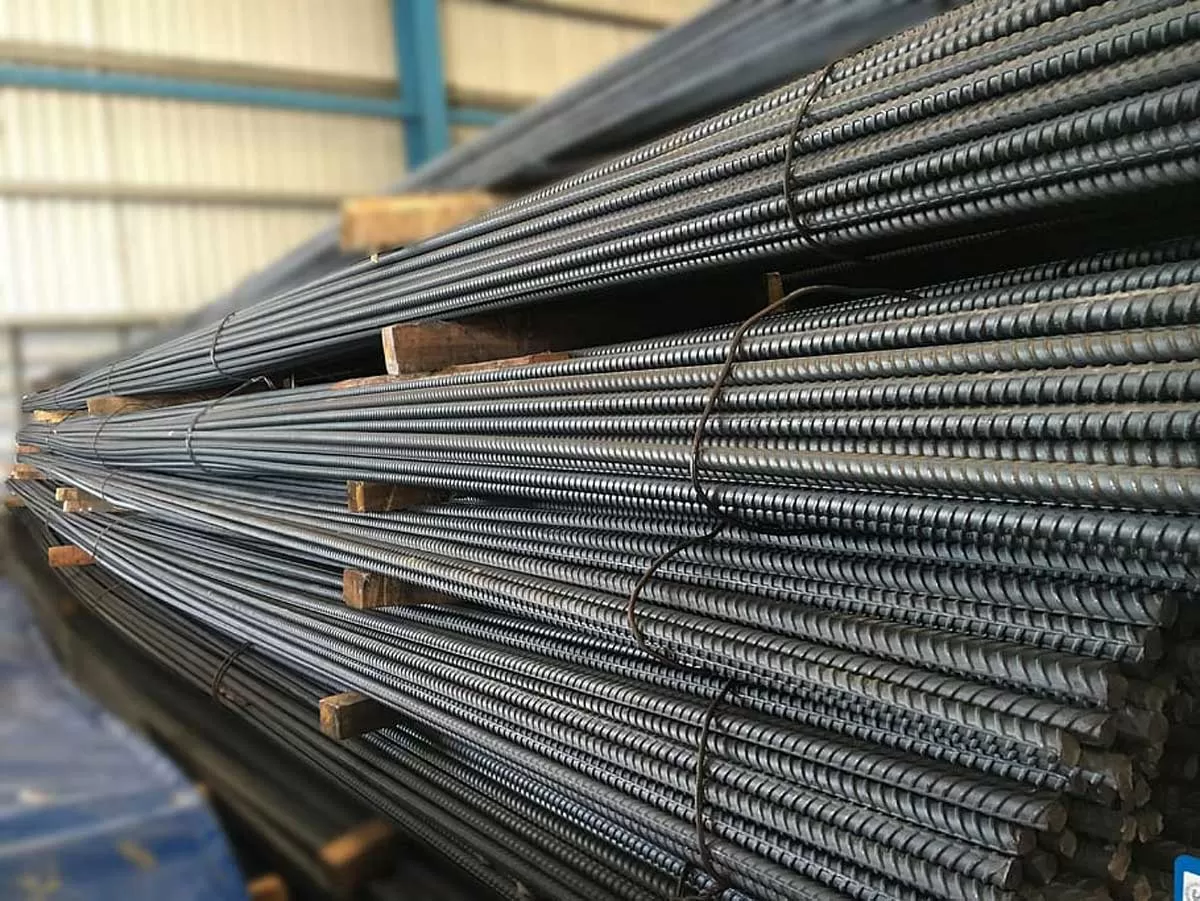
The issue surrounding the construction of a steel plant has emerged as a significant threat to political parties and candidates. With elections looming, the controversy has intensified, posing a challenge for parties vying for electoral support amidst growing public discontent.

The construction of the steel plant has become a contentious issue, with local communities and environmental activists expressing concerns over potential adverse impacts on the environment and livelihoods. The controversy has sparked widespread protests and agitation, putting pressure on political leaders to address the grievances of affected communities.

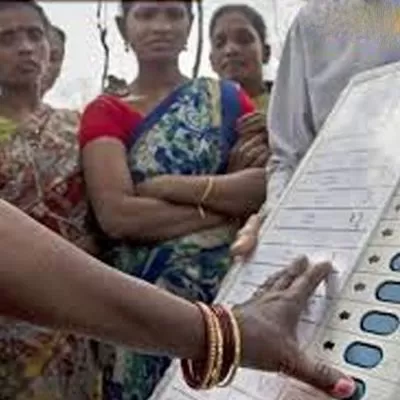
The steel plant issue has become a focal point in political discourse, with parties facing mounting criticism for their handling of the situation. As the elections approach, candidates are under pressure to take a stance on the matter and articulate clear solutions to address the concerns of all stakeholders involved.

The controversy surrounding the steel plant has the potential to influence voter sentiments and shape electoral outcomes in the region. Political parties are aware of the significance of the issue and its implications for their electoral prospects, prompting them to carefully navigate the situation and engage with stakeholders to find a resolution.

Amidst the escalating tensions, political parties are grappling with the challenge of balancing economic development aspirations with environmental sustainability and social justice concerns. The outcome of the elections could hinge on how effectively parties address the grievances of local communities and demonstrate their commitment to addressing environmental and social issues.

As the political landscape evolves, the steel plant issue remains a critical factor that could sway voter preferences and influence the electoral fortunes of parties and candidates in the upcoming elections.

The issue surrounding the construction of a steel plant has emerged as a significant threat to political parties and candidates. With elections looming, the controversy has intensified, posing a challenge for parties vying for electoral support amidst growing public discontent. The construction of the steel plant has become a contentious issue, with local communities and environmental activists expressing concerns over potential adverse impacts on the environment and livelihoods. The controversy has sparked widespread protests and agitation, putting pressure on political leaders to address the grievances of affected communities. The steel plant issue has become a focal point in political discourse, with parties facing mounting criticism for their handling of the situation. As the elections approach, candidates are under pressure to take a stance on the matter and articulate clear solutions to address the concerns of all stakeholders involved. The controversy surrounding the steel plant has the potential to influence voter sentiments and shape electoral outcomes in the region. Political parties are aware of the significance of the issue and its implications for their electoral prospects, prompting them to carefully navigate the situation and engage with stakeholders to find a resolution. Amidst the escalating tensions, political parties are grappling with the challenge of balancing economic development aspirations with environmental sustainability and social justice concerns. The outcome of the elections could hinge on how effectively parties address the grievances of local communities and demonstrate their commitment to addressing environmental and social issues. As the political landscape evolves, the steel plant issue remains a critical factor that could sway voter preferences and influence the electoral fortunes of parties and candidates in the upcoming elections.

Next Story
Infrastructure Transport

MMRDA advances 250 m on Orange Gate–Marine Drive tunnel

The Mumbai Metropolitan Region Development Authority (MMRDA) has completed 250 m of underground tunnelling for the Orange Gate–Marine Drive Urban Road Tunnel using India’s largest slurry shield tunnel boring machine (TBM) deployed for an urban road project.The project involves twin tunnels extending over 7 km beneath critical transport corridors, including Central Railway, Western Railway and Metro Line 3. The work requires high-precision engineering to navigate densely developed urban infrastructure.Once completed, the tunnel is expected to reduce travel time between Orange Gate and Marin..

Next Story
Infrastructure Urban

Hindustan Zinc Pays Rs 188.46 Billion in FY26

Hindustan Zinc contributed Rs 188.46 billion to the public exchequer in FY 2025-26, according to its 9th Tax Transparency Report. The contribution, equivalent to 46 per cent of the company’s revenue, included direct and indirect taxes, government royalties, dividends to the Government of India, withholding taxes and other statutory levies.The company’s five-year cumulative contribution to the exchequer stood at Rs 915.72 billion. In FY26, Hindustan Zinc reported revenue of Rs 408.44 billion, EBITDA of Rs 221.62 billion and profit after tax of Rs 138.32 billion. It also achieved its highest..

Next Story
Infrastructure Urban

World of Concrete India 2026 Opens in Mumbai

Informa Markets in India will host the 12th edition of World of Concrete India 2026 from 3–5 June 2026 at the Bombay Exhibition Centre, Mumbai. The specialised B2B exhibition will bring together manufacturers, suppliers, contractors, developers, architects, consultants, infrastructure companies, project leaders and government stakeholders.The event is expected to feature over 350 brands and more than 18,000 trade professionals. It will cover concrete and cement, dry mortar, precast technologies, formwork, construction chemicals, industrial and commercial flooring, scaffolding, safety solutio..

Advertisement

Subscribe to Our Newsletter

Get daily newsletters around different themes from Construction world.

STAY CONNECTED

Advertisement

Advertisement

Advertisement

-->