

Tinplate to expand capacity by 3 lakh tonne
Steel

Tinplate to expand capacity by 3 lakh tonne

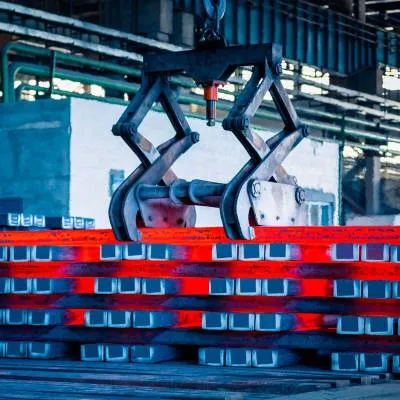
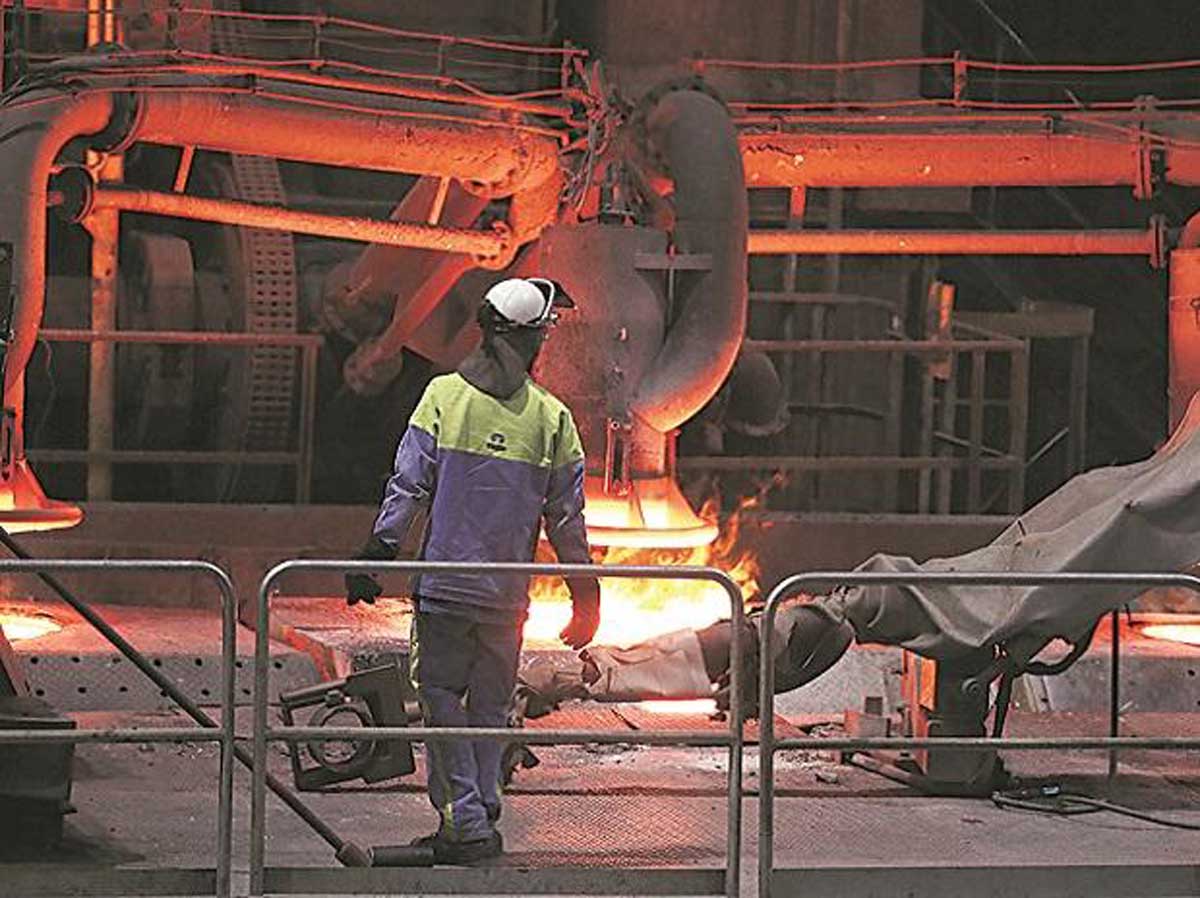
Tinplate Company India is embarking on a massive development programme with the help of its parent company –Tata Steel. In line with Tata Steel’s strategy to increase the share of value-added products in the sales mix, the capacity of TCIL is being expanded by 300,000 tonne (t) at a capital expenditure of around Rs 200 billion.

After the completion of a three-year project starting this fiscal, TCIL’s capacity in Jamshedpur will go up to 6,79,000 t from the present level of 3,79,000 t. Used mostly in the food processing industry and beverages as a packaging material, the expansion comes on the back of strong demand from these sectors.

Apart from the demand push coming out of urbanisation, tinplate demand is going up after the import of low-grade tinplate, which can cause health hazards, was stopped. Apart from TCIL, JSW Steel is the other major player in India that produces tinplate.

While the new line will be ready by 2024-25, Tata Steel has set a target of 1 mt Tinplate capacity by 2030, in tandem with its own target to double primary steelmaking capacity. Tata Steel intends to reach 40 mt output by end of the decade and it would need enhanced downstream facilities to churn out value-added products.


Tinplate Company India is embarking on a massive development programme with the help of its parent company –Tata Steel. In line with Tata Steel’s strategy to increase the share of value-added products in the sales mix, the capacity of TCIL is being expanded by 300,000 tonne (t) at a capital expenditure of around Rs 200 billion. After the completion of a three-year project starting this fiscal, TCIL’s capacity in Jamshedpur will go up to 6,79,000 t from the present level of 3,79,000 t. Used mostly in the food processing industry and beverages as a packaging material, the expansion comes on the back of strong demand from these sectors. Apart from the demand push coming out of urbanisation, tinplate demand is going up after the import of low-grade tinplate, which can cause health hazards, was stopped. Apart from TCIL, JSW Steel is the other major player in India that produces tinplate. While the new line will be ready by 2024-25, Tata Steel has set a target of 1 mt Tinplate capacity by 2030, in tandem with its own target to double primary steelmaking capacity. Tata Steel intends to reach 40 mt output by end of the decade and it would need enhanced downstream facilities to churn out value-added products.  

Next Story
Infrastructure Urban

India Expands Semiconductor Training To 500 Institutions

Under the Chips to Startups programme of the India Semiconductor Mission, the Union minister responsible for Railways, Information and Broadcasting, and Electronics and IT reported notable progress in talent development. He indicated that over the past four years substantial steps have been taken towards a 10-year target of training 85,000 engineers in semiconductor design. World-class EDA tools have been deployed in 315 academic institutions across the country to provide students with practical exposure to chip design. These EDA tools are supported by leading global firms and are accessible t..

Next Story
Infrastructure Urban

Delhi Institutions Support India Semiconductor Mission

The Government of India has prioritised talent development through training, upskilling and workforce development under the Chips to Startups initiative of the India Semiconductor Mission, with officials noting progress in four years towards a 10-year target of training 85,000 engineers in semiconductor design. Electronic design automation tools provided by Synopsys, Cadence, Siemens, Renesas, Ansys and AMD have been deployed in 315 academic institutions, enabling students to gain practical chip design experience. Chips have been fabricated and tested at the Semiconductor Laboratory, Mohali, a..

Next Story
Infrastructure Urban

NHA Announces Winners Of NHCX Hackathon At IIT Hyderabad

The National Health Authority (NHA) has concluded the NHCX Hackathon under the Ayushman Bharat Digital Mission (ABDM) to stimulate innovation around the National Health Claims Exchange (NHCX). The winning teams presented their solutions at the NHCX Innovation Meet held at IIT Hyderabad during a two-day event in March 2026 that also served as the hackathon grand finale. The hackathon itself ran from 22 to 28 February 2026 and aimed to accelerate paperless, transparent claims processing across India. The event was organised with a range of ecosystem partners, including the Insurance Regulatory a..

Advertisement

Subscribe to Our Newsletter

Get daily newsletters around different themes from Construction world.

STAY CONNECTED

Advertisement

Advertisement

Advertisement