+
Air India, Honeywell Sign APU Maintenance Deal to Enhance Fleet
AVIATION & AIRPORTS

Air India, Honeywell Sign APU Maintenance Deal to Enhance Fleet

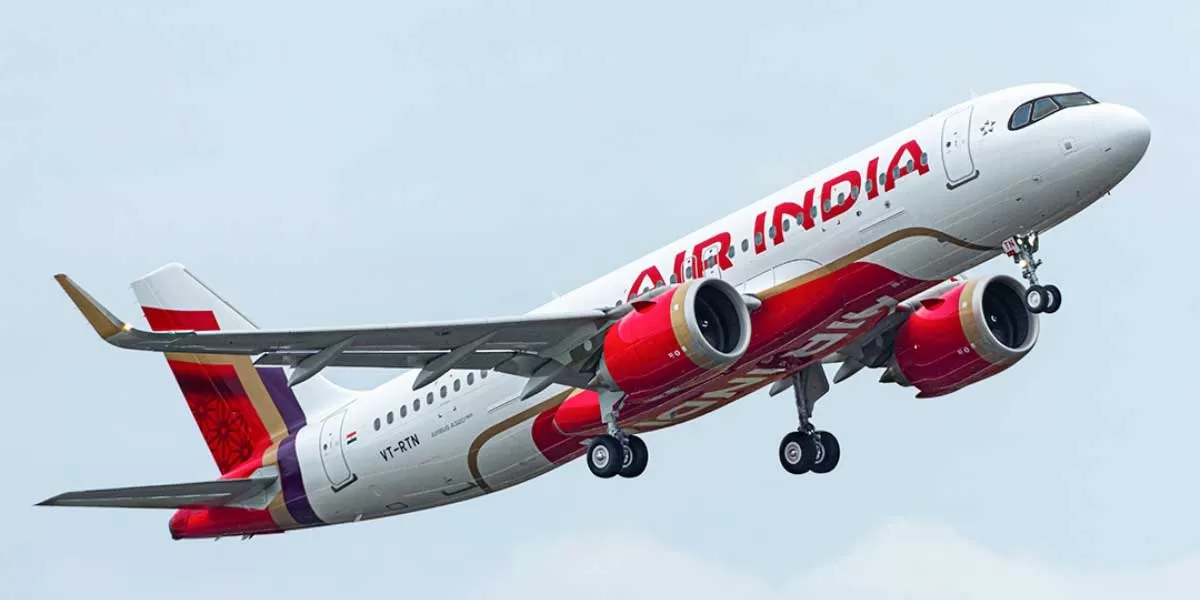
Air India has entered into a long-term Auxiliary Power Unit (APU) maintenance agreement with Honeywell, aiming to enhance the efficiency and reliability of its fleet. This strategic partnership marks a significant step forward for Air India as it seeks to optimise its operations and ensure smoother flight experiences for its passengers.

The APU is a critical component of an aircraft, providing essential power for various systems when the main engines are not running. Honeywell, known for its expertise in aerospace technology, will provide comprehensive maintenance services for Air India's APUs, ensuring they operate at peak performance levels.

Campbell Wilson, CEO of Air India, emphasised the importance of this collaboration, stating that maintaining high fleet reliability is crucial for the airline's operational excellence and customer satisfaction. He highlighted that Honeywell's advanced maintenance solutions would play a vital role in achieving these goals.

Honeywell's President of Aerospace, Mike Madsen, expressed enthusiasm about the partnership, noting that their cutting-edge technology and extensive experience in APU maintenance would significantly contribute to Air India's operational efficiency. He added that this agreement would also help reduce maintenance costs and minimize aircraft downtime.

The long-term maintenance deal includes regular inspections, repairs, and necessary upgrades for the APUs, ensuring they remain in optimal condition. This proactive approach to maintenance is expected to result in fewer disruptions and delays, providing a more reliable service for Air India's passengers.

By partnering with Honeywell, Air India aims to set new standards in fleet management and operational efficiency, reinforcing its commitment to safety, reliability, and customer satisfaction. This agreement underscores the airline's dedication to leveraging advanced technologies and expert services to enhance its overall performance and competitiveness in the aviation industry.

Air India has entered into a long-term Auxiliary Power Unit (APU) maintenance agreement with Honeywell, aiming to enhance the efficiency and reliability of its fleet. This strategic partnership marks a significant step forward for Air India as it seeks to optimise its operations and ensure smoother flight experiences for its passengers. The APU is a critical component of an aircraft, providing essential power for various systems when the main engines are not running. Honeywell, known for its expertise in aerospace technology, will provide comprehensive maintenance services for Air India's APUs, ensuring they operate at peak performance levels. Campbell Wilson, CEO of Air India, emphasised the importance of this collaboration, stating that maintaining high fleet reliability is crucial for the airline's operational excellence and customer satisfaction. He highlighted that Honeywell's advanced maintenance solutions would play a vital role in achieving these goals. Honeywell's President of Aerospace, Mike Madsen, expressed enthusiasm about the partnership, noting that their cutting-edge technology and extensive experience in APU maintenance would significantly contribute to Air India's operational efficiency. He added that this agreement would also help reduce maintenance costs and minimize aircraft downtime. The long-term maintenance deal includes regular inspections, repairs, and necessary upgrades for the APUs, ensuring they remain in optimal condition. This proactive approach to maintenance is expected to result in fewer disruptions and delays, providing a more reliable service for Air India's passengers. By partnering with Honeywell, Air India aims to set new standards in fleet management and operational efficiency, reinforcing its commitment to safety, reliability, and customer satisfaction. This agreement underscores the airline's dedication to leveraging advanced technologies and expert services to enhance its overall performance and competitiveness in the aviation industry.

Related Stories

Gold Stories

Next Story
Infrastructure Transport

Embraer to Acquire 51 Per Cent Stake in Mahindra Aerospace Arm

Brazilian aerospace major Embraer will acquire a 51 per cent equity stake in Novavayu Aerospace, a step-down subsidiary of Mahindra and Mahindra, under an Investment Agreement notified by the automobile company in an exchange filing. The transaction will give Embraer control of the aerospace business. Following completion of the acquisition, Novavayu Aerospace will cease to be a wholly owned subsidiary and become an associate of Mahindra Defence Systems, which is a step-down wholly owned subsidiary of Mahindra and Mahindra. The agreement is expected to be completed on or before December 1. Mah..

Next Story
Infrastructure Urban

RBI Opens Special Dollar Window for Three State-Run OMCs

The Reserve Bank of India (RBI) has opened a special facility to meet the entire daily US dollar requirements of three public sector oil marketing companies (OMCs), in a move aimed at easing pressure on the Indian rupee. The facility will take effect on October 12, 2026, and remain available until further notice. Indian Oil Corporation, Hindustan Petroleum Corporation and Bharat Petroleum Corporation are eligible to use the arrangement. Under the facility, the RBI will sell US dollars to the three companies through designated banks, allowing them to meet their oil-import payments without sourc..

Next Story
Building Material

Cement Prices Likely to Rise Rs. 10-15 per Bag from Mid-October

Cement manufacturers in India are likely to raise prices by Rs. 10-15 per bag from mid-October, as they seek to offset persistent increases in power and fuel costs. Emkay Research said its channel checks indicated a high probability of an increase from October 12, supported by the start of the busy construction season and favourable demand-supply conditions. The sector had implemented similar rate adjustments of Rs. 10-15 per bag during the first quarter, but the increases were insufficient to cover higher operating costs. Prices also softened during July and August because of the monsoon, wid..

Advertisement

Subscribe to Our Newsletter

Get daily newsletters around different themes from Construction world.

STAY CONNECTED

Advertisement

SPECIAL OFFER
QR Code