India Domestic Air Passenger Traffic Falls 0.18 Per Cent in Jan-Aug
AVIATION & AIRPORTS

India Domestic Air Passenger Traffic Falls 0.18 Per Cent in Jan-Aug

India’s domestic air passenger traffic declined 0.18 per cent year on year during January-August 2026, according to data released by the Directorate General of Civil Aviation (DGCA). Domestic airlines carried 110,530,000 passengers during the period, compared with 110,726,000 in the corresponding period of 2025. Monthly traffic growth declined 6.34 per cent.

The overall cancellation rate of scheduled domestic airlines stood at 1.04 per cent in August. SpiceJet recorded the highest cancellation rate at 20.92 per cent, followed by IndiaOne Air at 10.60 per cent and Alliance Air at 4.58 per cent. Fly91 reported a cancellation rate of 1.35 per cent, while Air India Group recorded 1.14 per cent.

Star Air’s cancellation rate was 0.90 per cent, followed by IndiGo at 0.33 per cent and Akasa Air at 0.07 per cent. Technical issues accounted for the largest share of cancellations at 50.2 per cent, while operational reasons contributed 20.4 per cent. Miscellaneous factors accounted for 17.4 per cent, weather-related disruptions for 8.5 per cent and commercial reasons for 3.5 per cent.

The passenger load factor of most scheduled domestic airlines declined in August compared with July. Akasa Air recorded the highest load factor at 87.6 per cent, down from 94.9 per cent, followed by SpiceJet at 79.9 per cent and IndiGo at 79.2 per cent. Air India Group’s load factor fell to 77 per cent from 83.2 per cent.

Fly91’s load factor increased to 75 per cent from 74.7 per cent, while IndiaOne Air’s rose to 47.5 per cent from 44.5 per cent. Star Air and Alliance Air recorded lower load factors of 73.6 per cent and 58.8 per cent, respectively. In August, 1.39 per cent of flights were delayed by more than two hours, with SpiceJet reporting the highest share at 48.05 per cent. IndiaOne Air reported no such delays.

India’s domestic air passenger traffic declined 0.18 per cent year on year during January-August 2026, according to data released by the Directorate General of Civil Aviation (DGCA). Domestic airlines carried 110,530,000 passengers during the period, compared with 110,726,000 in the corresponding period of 2025. Monthly traffic growth declined 6.34 per cent. The overall cancellation rate of scheduled domestic airlines stood at 1.04 per cent in August. SpiceJet recorded the highest cancellation rate at 20.92 per cent, followed by IndiaOne Air at 10.60 per cent and Alliance Air at 4.58 per cent. Fly91 reported a cancellation rate of 1.35 per cent, while Air India Group recorded 1.14 per cent. Star Air’s cancellation rate was 0.90 per cent, followed by IndiGo at 0.33 per cent and Akasa Air at 0.07 per cent. Technical issues accounted for the largest share of cancellations at 50.2 per cent, while operational reasons contributed 20.4 per cent. Miscellaneous factors accounted for 17.4 per cent, weather-related disruptions for 8.5 per cent and commercial reasons for 3.5 per cent. The passenger load factor of most scheduled domestic airlines declined in August compared with July. Akasa Air recorded the highest load factor at 87.6 per cent, down from 94.9 per cent, followed by SpiceJet at 79.9 per cent and IndiGo at 79.2 per cent. Air India Group’s load factor fell to 77 per cent from 83.2 per cent. Fly91’s load factor increased to 75 per cent from 74.7 per cent, while IndiaOne Air’s rose to 47.5 per cent from 44.5 per cent. Star Air and Alliance Air recorded lower load factors of 73.6 per cent and 58.8 per cent, respectively. In August, 1.39 per cent of flights were delayed by more than two hours, with SpiceJet reporting the highest share at 48.05 per cent. IndiaOne Air reported no such delays.

Related Stories

Gold Stories

Next Story
Infrastructure Energy

GEON Commissions 10 MW/20 MWh BESS in Jaisalmer

GEON, the future technologies division of Kabra Extrusiontechnik, has commissioned a 10 MW/20 MWh battery energy storage system (BESS) in Jaisalmer, Rajasthan, on an engineering, procurement and construction (EPC) basis.Executed in accordance with the Rajasthan Integrated Clean Energy Policy, 2024, the project covered detailed engineering and design, equipment procurement and supply, installation, testing and commissioning.The system has a power capacity of 10 MW and an energy storage capacity of 20 MWh. It is designed to improve energy management, support grid stability and facilitate the int..
Next Story
Infrastructure Urban

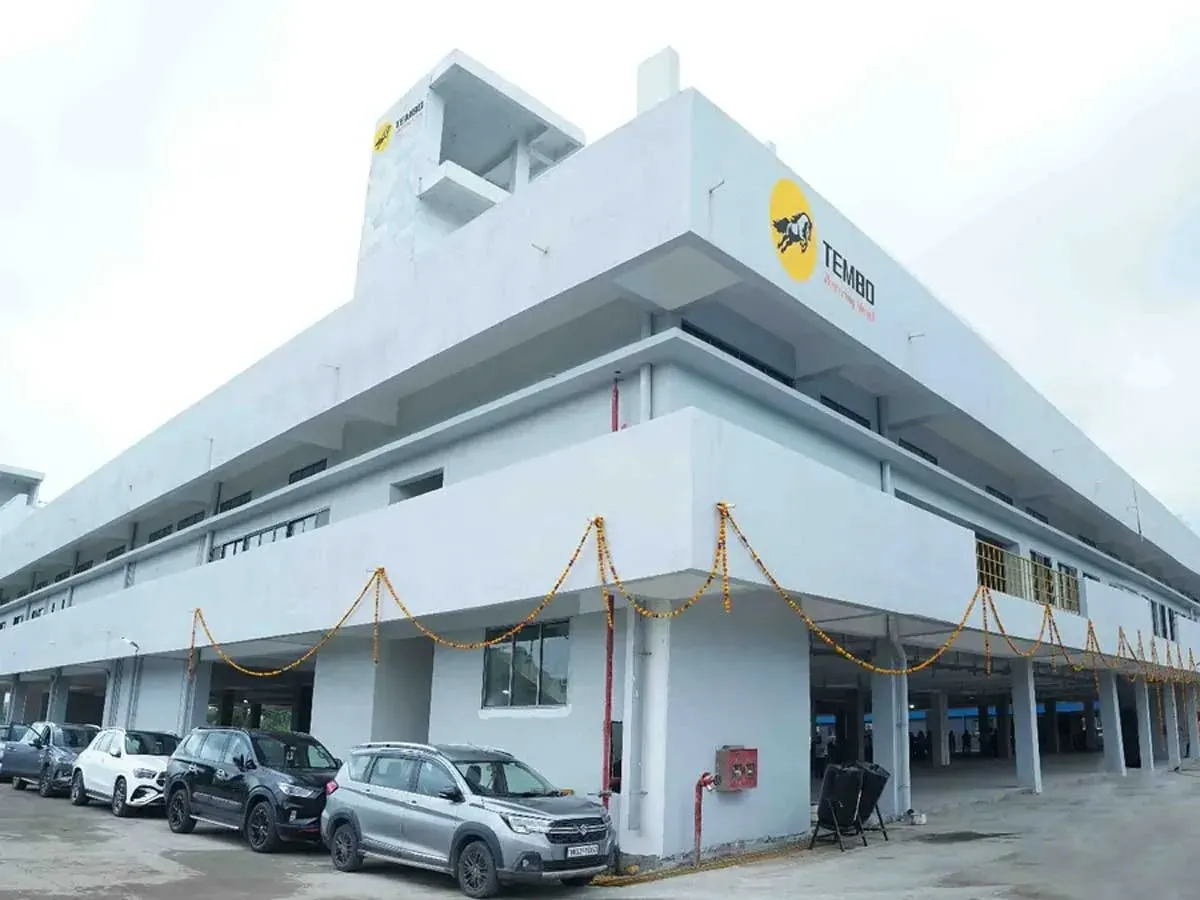
Tembo Lists on BSE, Expands Defence Manufacturing Plans

Tembo Global Industries has listed its equity shares on the Main Board of BSE while expanding its focus on defence manufacturing and unmanned aerial vehicle (UAV) technologies alongside its existing engineering and industrial businesses.Through its subsidiary, Tembo Classic Engineering, the company is developing manufacturing capabilities in small arms and ammunition. Its defence facility in Amravati, Maharashtra, is under development, with commercial production targeted for Q1 FY2028. The subsidiary has obtained government licences for ammunition and small-arms manufacturing.The company is co..
Next Story
Infrastructure Urban

Bondada Gets NSE In-Principle Nod for Main Board Migration

Bondada Engineering has received in-principle approval from the National Stock Exchange of India (NSE) to migrate its equity shares from the BSE SME Platform to NSE’s Capital Market Segment, or Main Board.The approval, conveyed through a letter dated 14 October 2026, follows BSE’s in-principle approval on 9 September 2026 for migration to its Main Board. The company now holds preliminary approvals to establish a presence on the Main Boards of both exchanges.Bondada Engineering will complete the subsequent formalities required under applicable regulatory and stock exchange requirements. The..

Advertisement

Subscribe to Our Newsletter

Get daily newsletters around different themes from Construction world.

STAY CONNECTED

Advertisement

SPECIAL OFFER
QR Code