

India’s Airline Pricing Rules to Change in 2027
AVIATION & AIRPORTS

India’s Airline Pricing Rules to Change in 2027

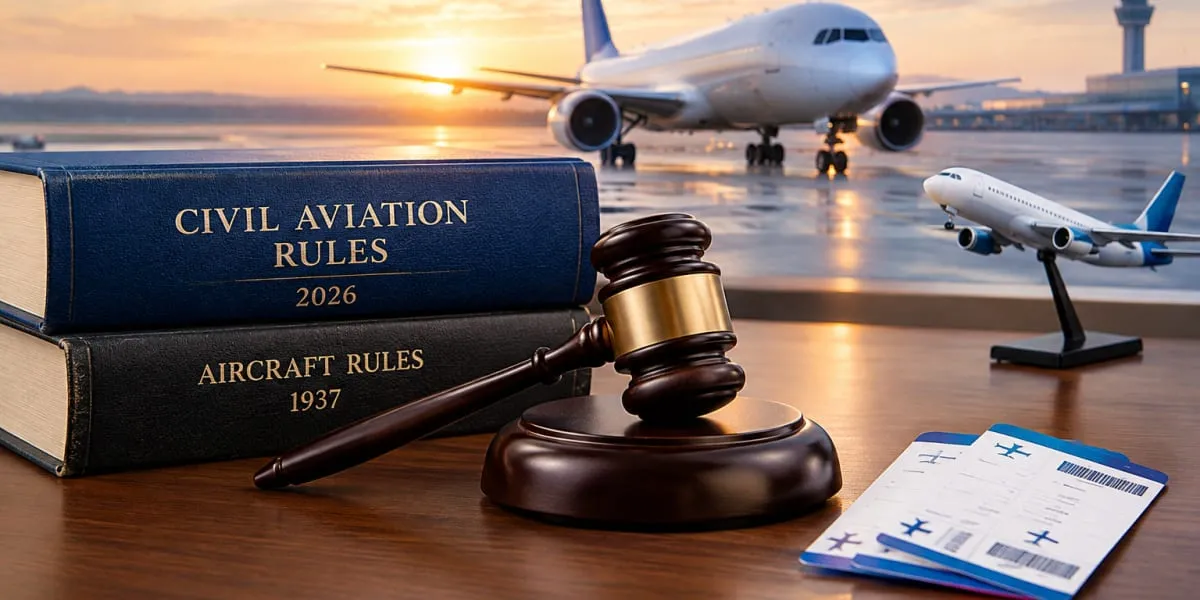
India’s new civil aviation rules will take effect on January 1, 2027, giving the Centre conditional powers to intervene in airline ticket pricing during extraordinary situations. The Bharatiya Vayuyan Niyam, 2026, notified by the Ministry of Civil Aviation, will replace the Aircraft Rules, 1937.

Under Rule 192, the Central Government can issue written directions when intervention is considered necessary in the public interest. Any action must be proportionate to the circumstances and remain in force for a specified period. The provision does not create a permanent fare ceiling or require government approval for every ticket price, and it does not define an extraordinary situation or set a numerical trigger.

The rules require airlines to display the total amount payable on booking platforms and issued tickets. They must separately identify fares, taxes, fees, cancellation charges, refund conditions and other applicable costs. The framework distinguishes government taxes from fees charged by service providers, allowing passengers to assess the final price and booking conditions more clearly.

Airlines will continue to set fares according to operating costs and other commercial considerations, subject to regulatory monitoring. Scheduled domestic operators must submit tariff information to the Directorate General of Civil Aviation (DGCA) in the format and at intervals prescribed by the regulator. They must also publish tariffs online, while the DGCA monitors fares established by domestic scheduled airlines.

The new Rule 192 differs from the earlier Rule 135(4), under which the DGCA could issue directions in cases involving excessive or predatory tariffs and oligopolistic practices. The new framework instead uses an exceptional-circumstances and public-interest test. It also consolidates requirements covering aircraft registration, airworthiness, manufacturing, maintenance, operations, airport infrastructure, crew safety, licensing, training and medical fitness under the broader legislative structure established by the Bharatiya Vayuyan Adhiniyam, 2024.

India’s new civil aviation rules will take effect on January 1, 2027, giving the Centre conditional powers to intervene in airline ticket pricing during extraordinary situations. The Bharatiya Vayuyan Niyam, 2026, notified by the Ministry of Civil Aviation, will replace the Aircraft Rules, 1937. Under Rule 192, the Central Government can issue written directions when intervention is considered necessary in the public interest. Any action must be proportionate to the circumstances and remain in force for a specified period. The provision does not create a permanent fare ceiling or require government approval for every ticket price, and it does not define an extraordinary situation or set a numerical trigger. The rules require airlines to display the total amount payable on booking platforms and issued tickets. They must separately identify fares, taxes, fees, cancellation charges, refund conditions and other applicable costs. The framework distinguishes government taxes from fees charged by service providers, allowing passengers to assess the final price and booking conditions more clearly. Airlines will continue to set fares according to operating costs and other commercial considerations, subject to regulatory monitoring. Scheduled domestic operators must submit tariff information to the Directorate General of Civil Aviation (DGCA) in the format and at intervals prescribed by the regulator. They must also publish tariffs online, while the DGCA monitors fares established by domestic scheduled airlines. The new Rule 192 differs from the earlier Rule 135(4), under which the DGCA could issue directions in cases involving excessive or predatory tariffs and oligopolistic practices. The new framework instead uses an exceptional-circumstances and public-interest test. It also consolidates requirements covering aircraft registration, airworthiness, manufacturing, maintenance, operations, airport infrastructure, crew safety, licensing, training and medical fitness under the broader legislative structure established by the Bharatiya Vayuyan Adhiniyam, 2024.

Related Stories

Gold Stories
Next Story
Equipment

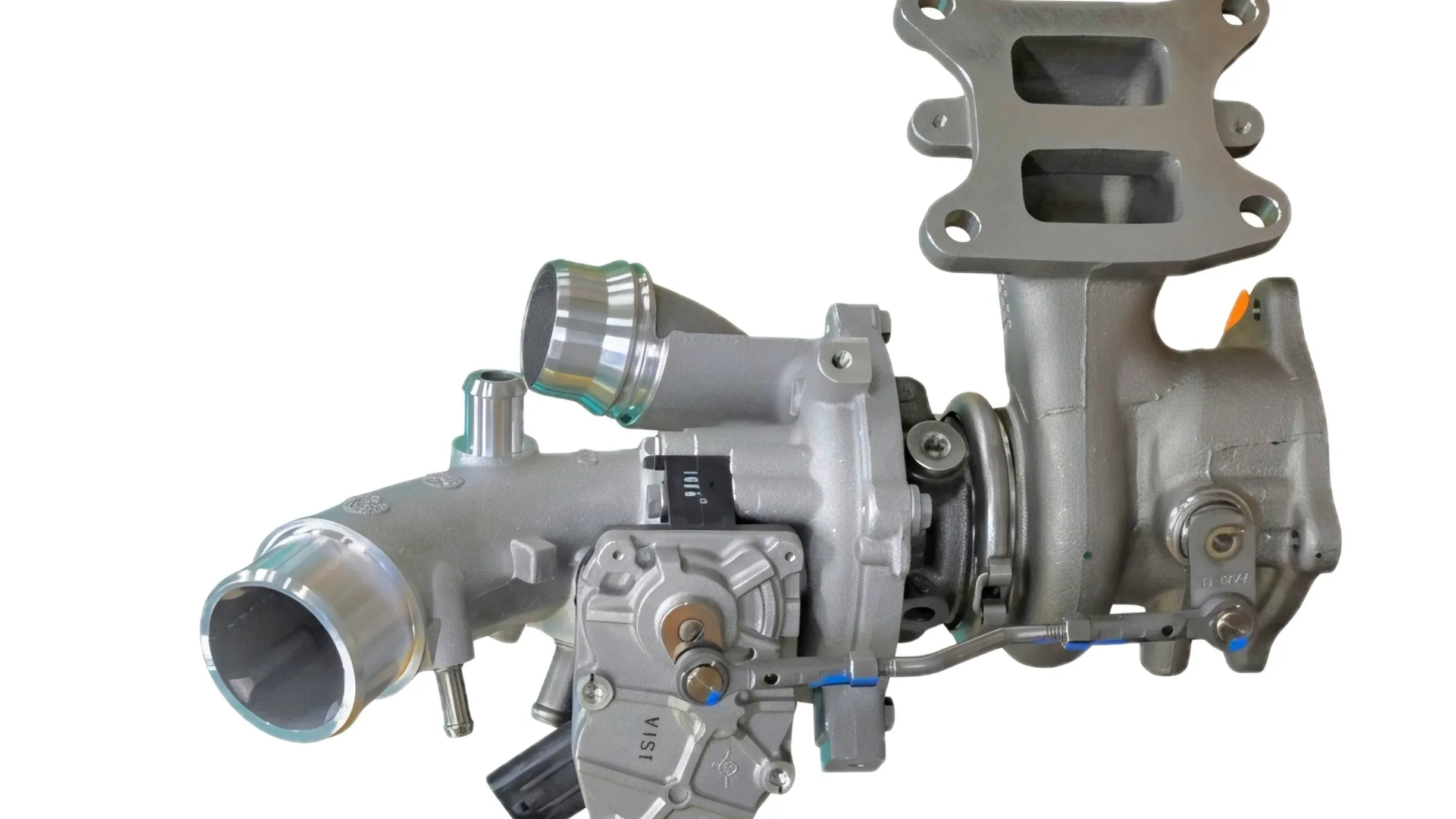
BorgWarner secures three turbocharger contracts with global powertrain leader

BorgWarner has secured three new turbocharger contracts with a global powertrain technology company. The wins comprise one contract for its variable turbine geometry (VTG) turbocharger and two for its wastegate turbocharger. The technologies will be deployed in the customer's light-vehicle gasoline platforms in South America and Europe, with production scheduled to begin in 2027.The VTG turbochargers are designed for gasoline engines operating under demanding conditions and high-boost pressure requirements. They are engineered to support Miller-cycle engines and withstand exhaust temperatures ..
Next Story
Infrastructure Transport

International Digi Yatra Trials Begin at Seven Airports

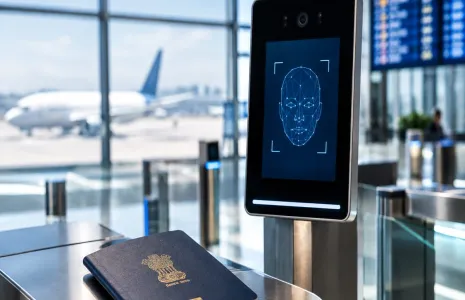
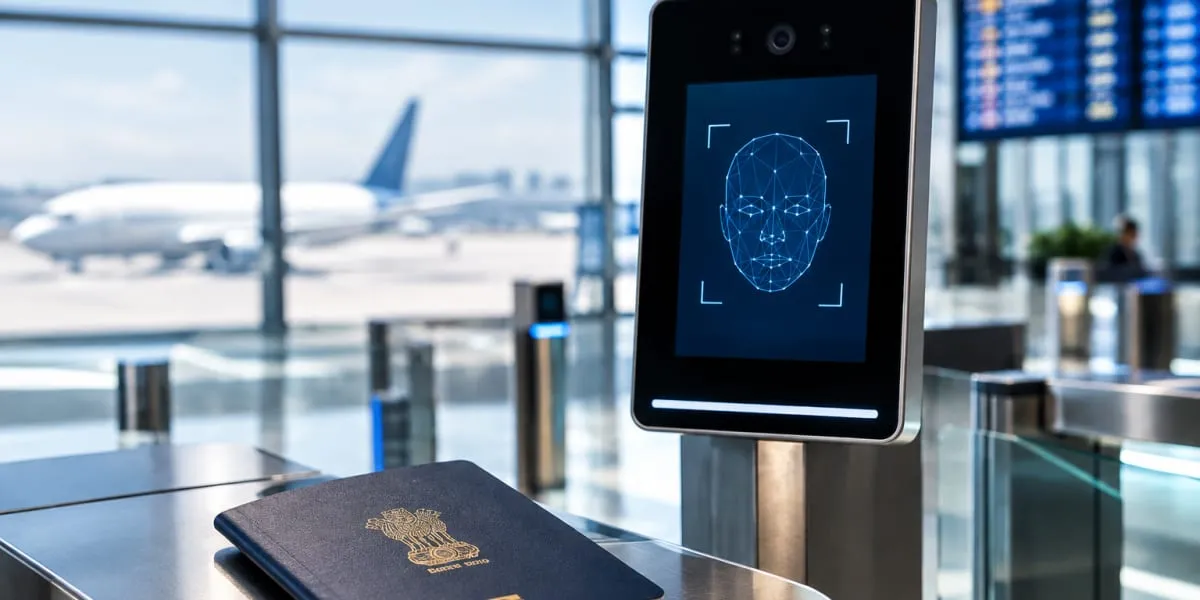
India has begun trials of Digi Yatra for international passengers at seven airports, allowing eligible Indian passport holders to use facial recognition at selected airport checkpoints. The facility is currently limited to Indian nationals with e-passports travelling on selected international flights operated by Air India and IndiGo. The Civil Aviation Ministry announced the trials on 1 November, with testing scheduled through December 2026. A wider rollout is expected in 2027 after the ministry assesses passenger feedback gathered during the trial period, according to PTI. The system is inten..

Next Story
Infrastructure Transport

Air India Plans More Wide-Body Jets, CEO Signals Profitability Soon

Air India is seeking to expand its order for wide-body aircraft as it works to increase international passenger traffic, chief executive Tewolde Gebremariam said on Tuesday. The Tata Group-owned carrier is also targeting a return to profitability in the near term, as its turnaround programme addresses fleet, network and service challenges. The comments came months after Gebremariam took charge of the airline. Gebremariam, who previously led Ethiopian Airlines, said the airline wanted more wide-body aircraft. Air India has held discussions with Boeing and Airbus while assessing the economics of..

Advertisement

Subscribe to Our Newsletter

Get daily newsletters around different themes from Construction world.

STAY CONNECTED

Advertisement

SPECIAL OFFER
QR Code