India Targets 400 Airports by 2047 as Demand Outpaces Capacity
AVIATION & AIRPORTS

India Targets 400 Airports by 2047 as Demand Outpaces Capacity

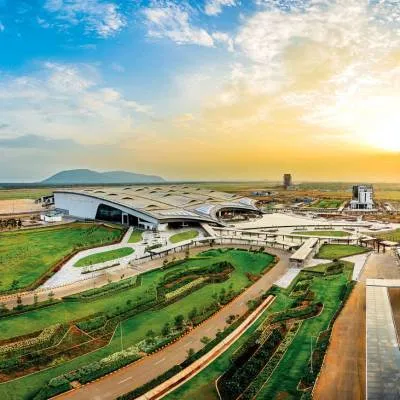
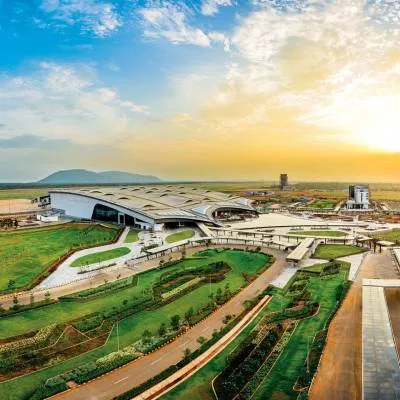
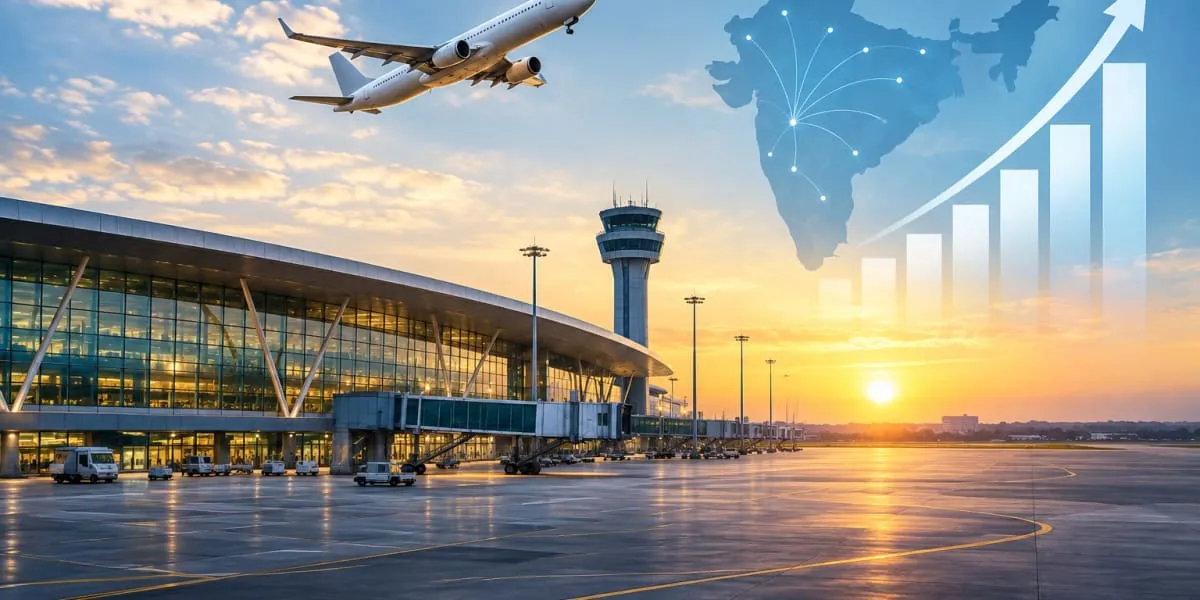
India plans to increase the number of airports from more than 166 currently to 400 by 2047, as demand for air travel continues to grow faster than airline capacity, Civil Aviation Minister Kinjarapu Ram Mohan Naidu said. The government also aims to raise annual passenger numbers from around 240 mn at present to 1.3 bn over the same period.

Naidu said revenue passenger kilometres had increased at a compound annual growth rate of 7.3 per cent over the past decade, while available seat kilometres had risen by 7 per cent. The difference indicates that passenger demand is expanding faster than the number of seats being added by airlines.

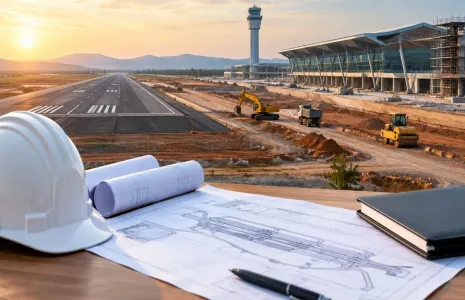
India had 74 operational airports in 2014. Naidu said 66 airports were currently under development and another 100 were planned over the next decade. The pace of expansion means that a new airport or terminal is being added approximately every 40 to 45 days, supporting the country’s ambition to become the world’s third-largest aviation market.

Regional connectivity has also expanded under the government’s UDAN scheme. Civil Aviation Secretary Sameer Kumar Sinha said the airport network had grown from 74 to 165, with more cities being brought into the aviation network. The government is also pursuing greater international connectivity through bilateral arrangements with key aviation partners.

Weekly air service capacity with Azerbaijan has increased from seven to 21 services, while the entitlement with Uzbekistan has risen from 18 to 28. India has shifted its arrangement with Indonesia from frequency-based entitlements to seat-based limits, allowing up to 15,000 seats in each direction.

Passenger traffic on several Asian routes has recorded strong growth over the past decade. Traffic between Hong Kong and Hyderabad and between Bengaluru and Bangkok doubled between Q2 2016 and Q2 2026, while traffic between Kuala Lumpur and Chennai more than doubled. Direct scheduled flights between India and China have also resumed, while data cited from Crisil showed that Indian aviation added 55 international routes in the past 15 months.

India plans to increase the number of airports from more than 166 currently to 400 by 2047, as demand for air travel continues to grow faster than airline capacity, Civil Aviation Minister Kinjarapu Ram Mohan Naidu said. The government also aims to raise annual passenger numbers from around 240 mn at present to 1.3 bn over the same period. Naidu said revenue passenger kilometres had increased at a compound annual growth rate of 7.3 per cent over the past decade, while available seat kilometres had risen by 7 per cent. The difference indicates that passenger demand is expanding faster than the number of seats being added by airlines. India had 74 operational airports in 2014. Naidu said 66 airports were currently under development and another 100 were planned over the next decade. The pace of expansion means that a new airport or terminal is being added approximately every 40 to 45 days, supporting the country’s ambition to become the world’s third-largest aviation market. Regional connectivity has also expanded under the government’s UDAN scheme. Civil Aviation Secretary Sameer Kumar Sinha said the airport network had grown from 74 to 165, with more cities being brought into the aviation network. The government is also pursuing greater international connectivity through bilateral arrangements with key aviation partners. Weekly air service capacity with Azerbaijan has increased from seven to 21 services, while the entitlement with Uzbekistan has risen from 18 to 28. India has shifted its arrangement with Indonesia from frequency-based entitlements to seat-based limits, allowing up to 15,000 seats in each direction. Passenger traffic on several Asian routes has recorded strong growth over the past decade. Traffic between Hong Kong and Hyderabad and between Bengaluru and Bangkok doubled between Q2 2016 and Q2 2026, while traffic between Kuala Lumpur and Chennai more than doubled. Direct scheduled flights between India and China have also resumed, while data cited from Crisil showed that Indian aviation added 55 international routes in the past 15 months.

Related Stories

Gold Stories

Next Story
Infrastructure Transport

Alstom Automates Bengaluru Metro's 7.5 km Pink Line Section

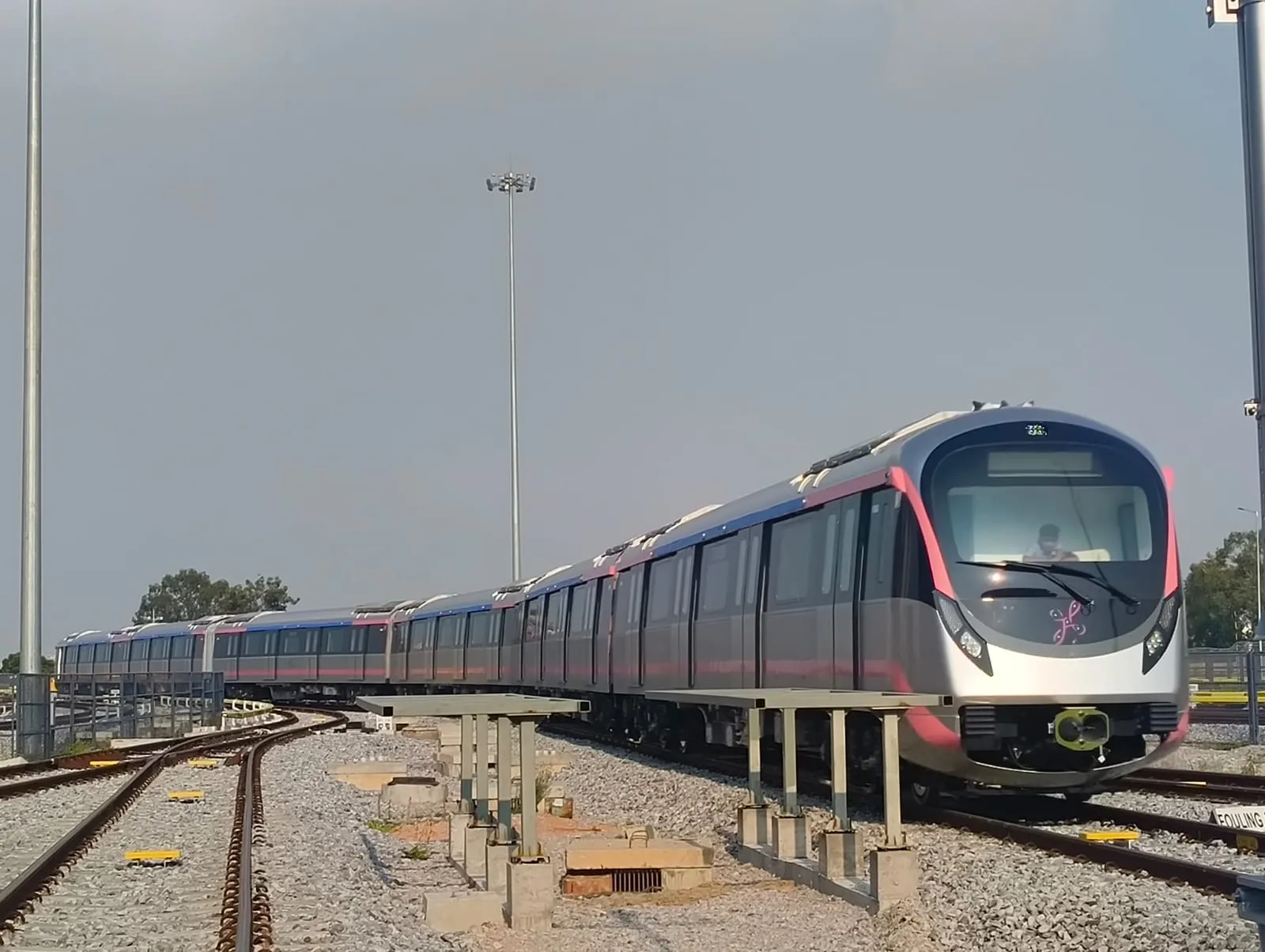
Alstom has announced the commencement of passenger services on the 7.5 km elevated priority section of Bengaluru Metro's Pink Line Reach 6, equipped with its communications-based train control (CBTC) signalling technology. The section connects key residential, educational and healthcare hubs across South Bengaluru, strengthening the city's urban transport network.The priority section operates under Grade of Automation 2 (GoA2), enabling automatic train operation (ATO) from the first day of revenue service, a first for an Indian metro project. Under this system, train acceleration and braking a..
Next Story
Infrastructure Transport

Alstom Begins Production of 96 Driverless Chennai Metro Cars

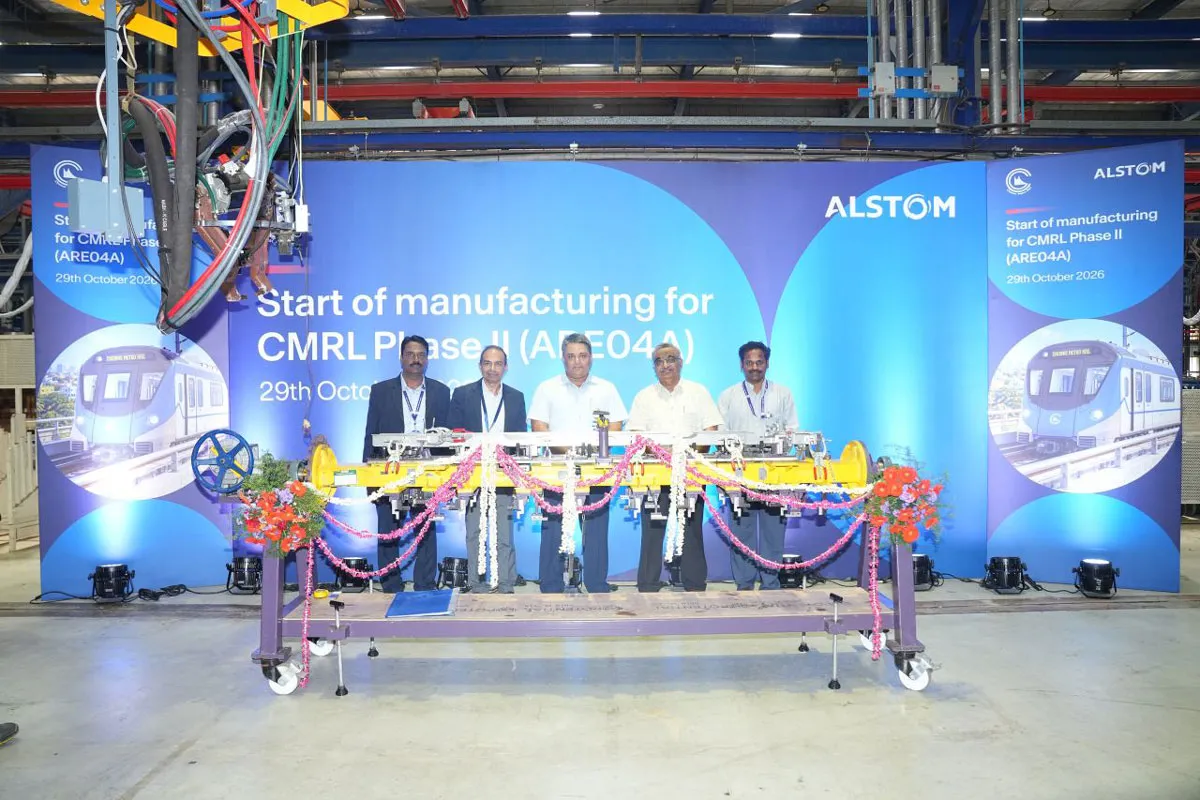
Alstom has commenced manufacturing 96 Metropolis driverless metro cars for Chennai Metro Phase II at its Sri City facility in Andhra Pradesh. The production forms part of a €135 million contract awarded by Chennai Metro Rail Limited (CMRL) in 2025, covering the design and manufacture of 32 three-car trainsets and 15 years of comprehensive maintenance following the warranty period.Chennai Metro Phase II spans approximately 119 km across three corridors and associated inter-corridor sections, comprising more than 76 km of elevated tracks and 43 km of underground routes.Under the Make in India ..

Next Story
Products

Hafele launches Alustro flexible shelving system

Häfele India has introduced the Alustro Flexible Shelving System, a modular storage solution designed to maximise space and offer flexibility in residential interiors. The system can be configured for applications such as room dividers, walk-in wardrobes, kitchen units, wall-mounted shelves and vanity mirrors.Alustro allows users to combine aluminium, wooden and glass shelves within a single structure. It supports shelf heights of up to 3,000 mm and section widths of up to 1,164 mm. Additional options include coat stand profiles with protective gaskets for wardrobes and front- or rear-facing ..

Advertisement

Subscribe to Our Newsletter

Get daily newsletters around different themes from Construction world.

STAY CONNECTED

Advertisement

SPECIAL OFFER
QR Code