Higher Fuel Surcharges Threaten to Deepen Air Traffic Slump
OIL & GAS

Higher Fuel Surcharges Threaten to Deepen Air Traffic Slump

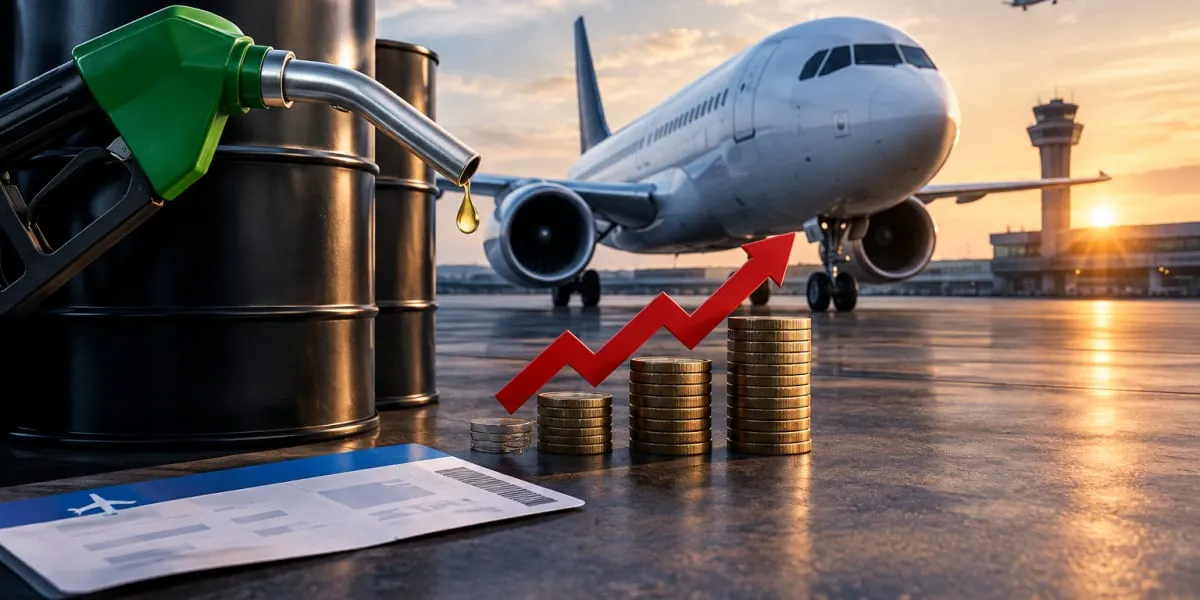
Fuel surcharges imposed by IndiGo, Air India and Air India Express are expected to put further pressure on air passenger demand as jet fuel prices rise amid continuing geopolitical tensions in the Middle East. IndiGo’s surcharge ranges from Rs. 375 to Rs. 10,000, depending on the route and sector, while the charges levied by Air India and Air India Express range from Rs. 400 to Rs. 20,855.

Kinjal Shah, senior vice-president and co-group head of corporate ratings at ICRA, said higher surcharges and airfares were likely to keep the passenger traffic trajectory under pressure as overall demand remained subdued. ICRA expects domestic passenger traffic to grow by 3 to 6 per cent in FY2027, while international traffic carried by Indian airlines could decline by 3 to 6 per cent year on year.

Airline yields rose by around 18 per cent year on year in Q1 FY2027, while aviation turbine fuel prices increased by 22.8 per cent during the period, indicating that carriers had passed on part of the higher fuel costs through fares. Domestic ATF prices rose 18.0 per cent year on year in July, 24.7 per cent in August and 33.4 per cent in September 2026.

Domestic ATF prices increased from Rs. 115 per litre in June to Rs. 137 per litre from October 1, after briefly declining to Rs. 110 in July. The global average jet fuel price rose to $192.44 per barrel last week, compared with around $85 to $90 before the war began on February 28. ATF accounts for around 30 to 40 per cent of airline operating costs, and recent increases could raise total operating costs by 8 to 10 per cent.

Airspace restrictions, rupee depreciation, higher lease rentals and dollar-denominated expenses are adding to the strain. ICRA forecasts that the aviation industry could post a net loss of Rs. 360 bn to Rs. 380 bn in FY2027, compared with Rs. 280 bn to Rs. 300 bn in FY2026. Travel companies said interest in winter holidays remained intact, although travellers were increasingly seeking flexibility and reassurance as fares rose.

Fuel surcharges imposed by IndiGo, Air India and Air India Express are expected to put further pressure on air passenger demand as jet fuel prices rise amid continuing geopolitical tensions in the Middle East. IndiGo’s surcharge ranges from Rs. 375 to Rs. 10,000, depending on the route and sector, while the charges levied by Air India and Air India Express range from Rs. 400 to Rs. 20,855. Kinjal Shah, senior vice-president and co-group head of corporate ratings at ICRA, said higher surcharges and airfares were likely to keep the passenger traffic trajectory under pressure as overall demand remained subdued. ICRA expects domestic passenger traffic to grow by 3 to 6 per cent in FY2027, while international traffic carried by Indian airlines could decline by 3 to 6 per cent year on year. Airline yields rose by around 18 per cent year on year in Q1 FY2027, while aviation turbine fuel prices increased by 22.8 per cent during the period, indicating that carriers had passed on part of the higher fuel costs through fares. Domestic ATF prices rose 18.0 per cent year on year in July, 24.7 per cent in August and 33.4 per cent in September 2026. Domestic ATF prices increased from Rs. 115 per litre in June to Rs. 137 per litre from October 1, after briefly declining to Rs. 110 in July. The global average jet fuel price rose to $192.44 per barrel last week, compared with around $85 to $90 before the war began on February 28. ATF accounts for around 30 to 40 per cent of airline operating costs, and recent increases could raise total operating costs by 8 to 10 per cent. Airspace restrictions, rupee depreciation, higher lease rentals and dollar-denominated expenses are adding to the strain. ICRA forecasts that the aviation industry could post a net loss of Rs. 360 bn to Rs. 380 bn in FY2027, compared with Rs. 280 bn to Rs. 300 bn in FY2026. Travel companies said interest in winter holidays remained intact, although travellers were increasingly seeking flexibility and reassurance as fares rose.

Related Stories

Gold Stories

Next Story
Equipment

TIL Revenue Surges 143% to Rs 1.98 Billion in Q2 FY27

TIL Limited, a manufacturer of material handling and infrastructure equipment, has reported a 143 per cent year-on-year increase in consolidated revenue to Rs 1.98 billion for the second quarter of FY27, compared with Rs 814.5 million in the corresponding period last year. Consolidated EBITDA surged 433 per cent to Rs 173.7 million, while EBITDA margin improved to 8.8 per cent from 4 per cent.The performance was supported by equipment deliveries, defence contracts, aftermarket services and the contribution of Tulip Compression Private Limited (TCPL), which became a majority-owned subsidiary in..
Next Story
Infrastructure Transport

India to Develop Civil Aircraft Within Two Years, Build 100 Airports

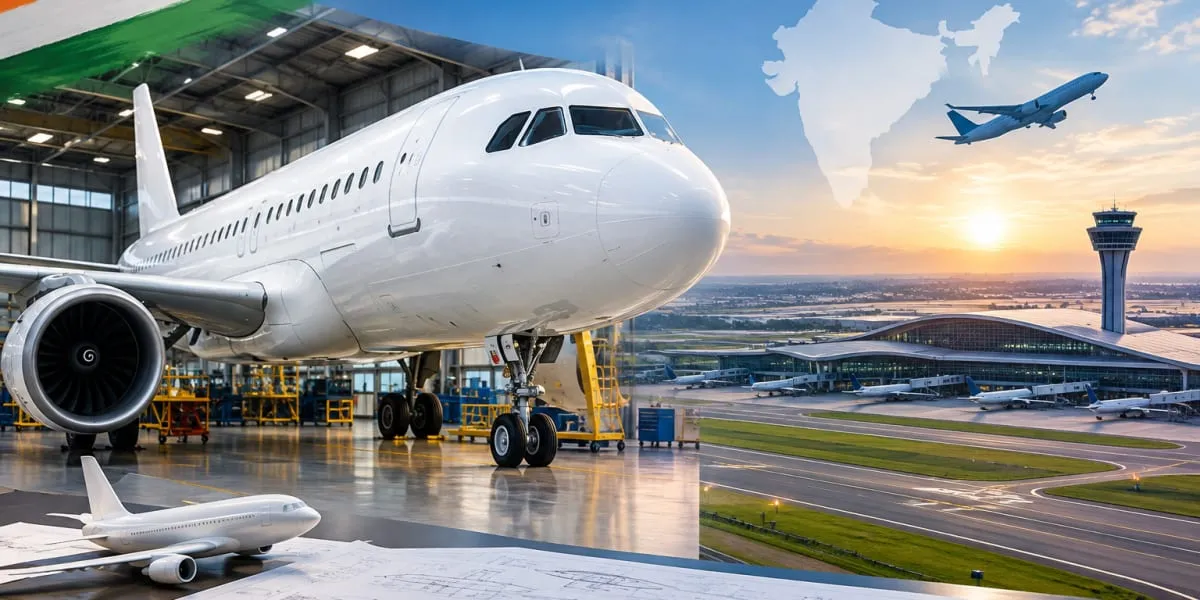
India aims to develop its own civil aircraft within the next two years as it seeks to strengthen domestic aerospace capabilities and reduce dependence on foreign aircraft manufacturers, Civil Aviation Minister Ram Mohan Naidu said on November 12. He said the ambition extended beyond assembling aircraft to developing expertise in aircraft design and production. Speaking at the inaugural session of the Confederation of Indian Industry (CII) Partnership Summit 2026 in Visakhapatnam, Naidu said India wanted to establish itself as a major aerospace manufacturing hub. The government’s approach is ..

Next Story
Infrastructure Urban

Two Korean Firms to Invest Rs. 13.7 bn in Tamil Nadu

Two South Korean automotive component suppliers to Hyundai and Kia plan to invest a combined Rs. 13.7 bn in Tamil Nadu over the next five years, according to sources in the state industries department. The proposed investments come after a political dispute over the reported movement of some automotive investments to Andhra Pradesh. The state government has received letters of intent (LoIs) from Hwashin and Seoyon, while memorandums of understanding (MoUs) are expected to be signed shortly. Both companies communicated their investment plans in letters dated November 11, reaffirming their inten..

Advertisement

Subscribe to Our Newsletter

Get daily newsletters around different themes from Construction world.

STAY CONNECTED

Advertisement

SPECIAL OFFER
QR Code