Apollo Tyres records surge in demand after ease in Covid-19 lockdowns
ROADS & HIGHWAYS

Apollo Tyres records surge in demand after ease in Covid-19 lockdowns

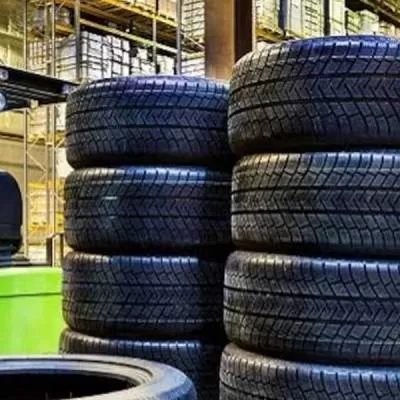
Tyre manufacturing major Apollo Tyres has recorded a surge in demand across product categories after state governments eased Covid-19 lockdowns.

Despite the outbreak of the second wave of the pandemic, Apollo Tyres has not changed its business plans due to the traction. They had previously announced a capex of Rs 1800 crore for FY22, which they are proceeding with. They will keep an eye on the situation to see if there's a demand slowdown that might necessitate some minor capex deferment. But there will almost certainly be little deviation from this Capex figure in FY22, Kanwar said. Capacity utilisation across the company's manufacturing units is currently at over 80%.

The company has been expanding its overseas markets to de-risk operations. In North America, the company has launched a comprehensive brand offering, which includes a complete line of Apollo and Vredestein tyres for commercial and passenger vehicles. Apollo Tyres intends to grow its business in the United States organically.

According to Apollo Tyres, its international business has performed better than India in recent quarters. In the truck, bus, and farm tyre segments, the company has increased its market share in Europe.

Apollo Tyres has set a mid-term revenue target of $ 5 billion approximately Rs 36,600 crore per year, up from Rs 17,397 crore in FY21. With the global pandemic hastening the pace of digitalisation, as well as several changes in the autonomous industry, such as electrification and autonomous driving, Kanwar stated that these will be key focus areas for the company in its growth journey.

In terms of rising input costs, Kanwar said that they have been on the rise for several months, putting pressure on margins. Raw material prices are expected to increase by 5% in the current quarter compared to the previous quarter.

Image Source


Also read: Ceat to invest Rs 1,200 cr to expand into truck, bus radial capacity

Also read: Govt issues draft notification for fuel-efficient, safer tyres in India

Tyre manufacturing major Apollo Tyres has recorded a surge in demand across product categories after state governments eased Covid-19 lockdowns. Despite the outbreak of the second wave of the pandemic, Apollo Tyres has not changed its business plans due to the traction. They had previously announced a capex of Rs 1800 crore for FY22, which they are proceeding with. They will keep an eye on the situation to see if there's a demand slowdown that might necessitate some minor capex deferment. But there will almost certainly be little deviation from this Capex figure in FY22, Kanwar said. Capacity utilisation across the company's manufacturing units is currently at over 80%. The company has been expanding its overseas markets to de-risk operations. In North America, the company has launched a comprehensive brand offering, which includes a complete line of Apollo and Vredestein tyres for commercial and passenger vehicles. Apollo Tyres intends to grow its business in the United States organically. According to Apollo Tyres, its international business has performed better than India in recent quarters. In the truck, bus, and farm tyre segments, the company has increased its market share in Europe. Apollo Tyres has set a mid-term revenue target of $ 5 billion approximately Rs 36,600 crore per year, up from Rs 17,397 crore in FY21. With the global pandemic hastening the pace of digitalisation, as well as several changes in the autonomous industry, such as electrification and autonomous driving, Kanwar stated that these will be key focus areas for the company in its growth journey. In terms of rising input costs, Kanwar said that they have been on the rise for several months, putting pressure on margins. Raw material prices are expected to increase by 5% in the current quarter compared to the previous quarter. Image Source Also read: Ceat to invest Rs 1,200 cr to expand into truck, bus radial capacity Also read: Govt issues draft notification for fuel-efficient, safer tyres in India

Related Stories

Gold Stories

Next Story
Infrastructure Transport

Embraer to Acquire 51 Per Cent Stake in Mahindra Aerospace Arm

Brazilian aerospace major Embraer will acquire a 51 per cent equity stake in Novavayu Aerospace, a step-down subsidiary of Mahindra and Mahindra, under an Investment Agreement notified by the automobile company in an exchange filing. The transaction will give Embraer control of the aerospace business. Following completion of the acquisition, Novavayu Aerospace will cease to be a wholly owned subsidiary and become an associate of Mahindra Defence Systems, which is a step-down wholly owned subsidiary of Mahindra and Mahindra. The agreement is expected to be completed on or before December 1. Mah..

Next Story
Infrastructure Urban

RBI Opens Special Dollar Window for Three State-Run OMCs

The Reserve Bank of India (RBI) has opened a special facility to meet the entire daily US dollar requirements of three public sector oil marketing companies (OMCs), in a move aimed at easing pressure on the Indian rupee. The facility will take effect on October 12, 2026, and remain available until further notice. Indian Oil Corporation, Hindustan Petroleum Corporation and Bharat Petroleum Corporation are eligible to use the arrangement. Under the facility, the RBI will sell US dollars to the three companies through designated banks, allowing them to meet their oil-import payments without sourc..
Next Story
Building Material

Cement Prices Likely to Rise Rs. 10-15 per Bag from Mid-October

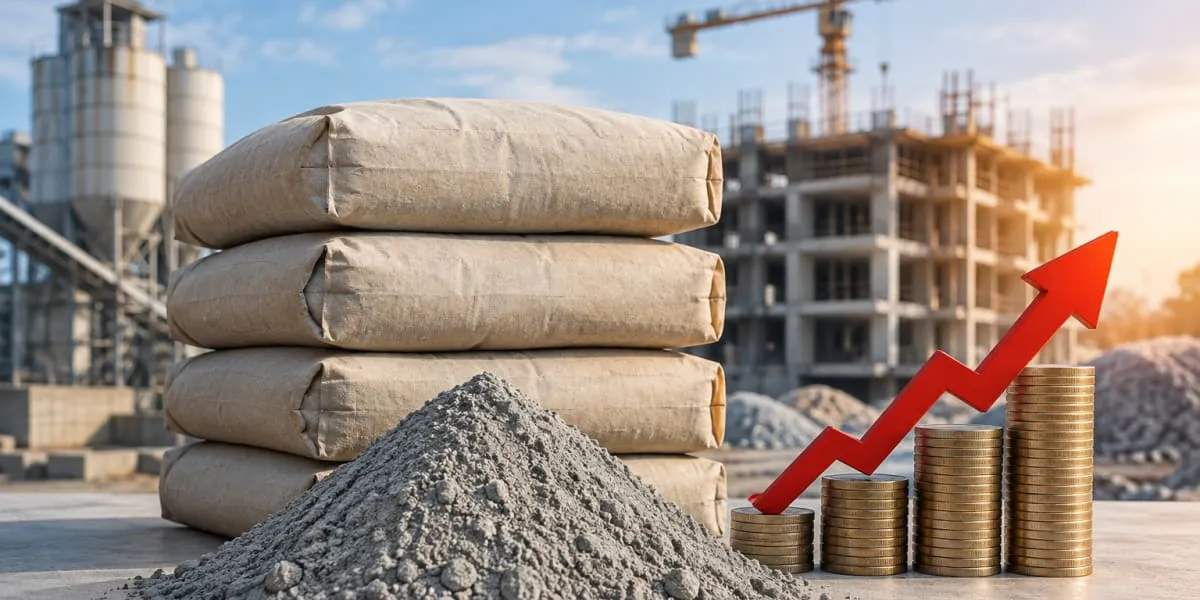
Cement manufacturers in India are likely to raise prices by Rs. 10-15 per bag from mid-October, as they seek to offset persistent increases in power and fuel costs. Emkay Research said its channel checks indicated a high probability of an increase from October 12, supported by the start of the busy construction season and favourable demand-supply conditions. The sector had implemented similar rate adjustments of Rs. 10-15 per bag during the first quarter, but the increases were insufficient to cover higher operating costs. Prices also softened during July and August because of the monsoon, wid..

Advertisement

Subscribe to Our Newsletter

Get daily newsletters around different themes from Construction world.

STAY CONNECTED

Advertisement

SPECIAL OFFER
QR Code