Arunachal Shifts Frontier Highway Project From PWD to BRO and NHIDCL
ROADS & HIGHWAYS

Arunachal Shifts Frontier Highway Project From PWD to BRO and NHIDCL

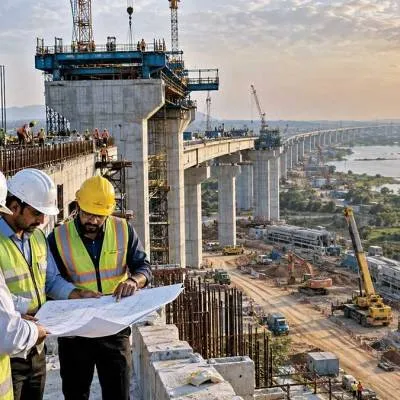
The Centre has reassigned execution of the Rs 420 bn Frontier Highway project in Arunachal Pradesh to the Border Roads Organisation (BRO) and the National Highways and Infrastructure Development Corporation Limited (NHIDCL), effectively sidelining the state Public Works Department (PWD) despite its involvement since the project's inception. The Ministry of Road Transport and Highways (MoRTH) has allocated the western stretch to BRO and the eastern section to NHIDCL. The highway has been designated National Highway 913 and will run from Mago-Thingbu in Tawang to Vijaynagar in Changlang district, traversing remote areas close to the Line of Actual Control.

State officials expressed dissatisfaction with the decision and said that the PWD had assisted in preparing detailed project reports. The reassignment follows an investigation into an alleged land compensation scam in East Kameng district, centred on the Lada-Sarli stretch, which has led to arrests and suspensions including that of a former deputy commissioner. While authorities have not formally linked the shift to the probe, sources suggested concerns over transparency and project management influenced the choice to entrust execution to centrally monitored agencies.

MoRTH had earlier issued bid acceptance letters to several firms, but work is yet to begin on the ground, raising concerns over timelines. The project carries a targeted completion date of 2027, and the recent reshuffle could affect progress even as revised national highway norms permit extended schedules for complex projects. Observers said the involvement of BRO and NHIDCL may improve coordination, monitoring and execution speed in difficult terrain.

Exclusion of the state Public Works Department may alter local coordination dynamics and reduce access to on the ground administrative experience, which could complicate stakeholder engagement. The Centre has continued to push for faster connectivity along frontier regions to strengthen defence preparedness and economic integration. With the project not yet under way, its progress will be closely watched as central agencies recalibrate execution to meet strategic and developmental objectives.

The Centre has reassigned execution of the Rs 420 bn Frontier Highway project in Arunachal Pradesh to the Border Roads Organisation (BRO) and the National Highways and Infrastructure Development Corporation Limited (NHIDCL), effectively sidelining the state Public Works Department (PWD) despite its involvement since the project's inception. The Ministry of Road Transport and Highways (MoRTH) has allocated the western stretch to BRO and the eastern section to NHIDCL. The highway has been designated National Highway 913 and will run from Mago-Thingbu in Tawang to Vijaynagar in Changlang district, traversing remote areas close to the Line of Actual Control. State officials expressed dissatisfaction with the decision and said that the PWD had assisted in preparing detailed project reports. The reassignment follows an investigation into an alleged land compensation scam in East Kameng district, centred on the Lada-Sarli stretch, which has led to arrests and suspensions including that of a former deputy commissioner. While authorities have not formally linked the shift to the probe, sources suggested concerns over transparency and project management influenced the choice to entrust execution to centrally monitored agencies. MoRTH had earlier issued bid acceptance letters to several firms, but work is yet to begin on the ground, raising concerns over timelines. The project carries a targeted completion date of 2027, and the recent reshuffle could affect progress even as revised national highway norms permit extended schedules for complex projects. Observers said the involvement of BRO and NHIDCL may improve coordination, monitoring and execution speed in difficult terrain. Exclusion of the state Public Works Department may alter local coordination dynamics and reduce access to on the ground administrative experience, which could complicate stakeholder engagement. The Centre has continued to push for faster connectivity along frontier regions to strengthen defence preparedness and economic integration. With the project not yet under way, its progress will be closely watched as central agencies recalibrate execution to meet strategic and developmental objectives.

Next Story
Infrastructure Transport

AFCONS & Navayuga set world records with Missing Link Expressway

Maharashtra’s most ambitious greenfield bypass — a 13.3-km alignment carrying twin record-setting tunnels and India’s tallest cable-stayed road bridge — was thrown open to traffic on Maharashtra Day, finally completing the Mumbai–Pune Expressway after a 23-year wait. CW reports…The 650-m cable-stayed bridge over Tiger Valley at sunset — the package executed by Afcons Infrastructure Ltd carries 182-m pylons, the tallest on any Indian road bridge.On 1 May 2026, Chief Minister Devendra Fadnavis, flanked by Deputy Chief Ministers Eknath Shinde and Sunetra Pawar (representing the late..

Next Story
Infrastructure Transport

Mumbai–Pune Missing Link boosts realty prospects

The recently opened ‘missing link’ on the Mumbai–Pune Expressway is set to significantly transform connectivity between the two cities by reducing travel time and bypassing the challenging ghat section. The new alignment, featuring tunnels and viaducts, is designed to improve safety, ease congestion and ensure a smoother, faster commute for both passenger and commercial traffic.With improved travel efficiency, the corridor is expected to strengthen intercity movement, encouraging more frequent travel for work, leisure and logistics. This enhanced accessibility is likely to benefit real e..

Next Story
Infrastructure Urban

How Hormuz is Hijacking Indian Highways

At the recently held RAHSTA Round Table on 29th April in Pune, and earlier during our webinars for Cement Expo by Indian Cement Review and by FIRST Construction Council on manufacturing construction equipment for the world, one thread lay common: the industry is being subjected to a cost-push chain reaction moving from crude oil → freight/insurance → steel, cement fuel, bitumen, polymers, packaging, logistics and finally project margins. Indeed, the West Asia crisis caused by the war and the Hormuz Strait blockade, which does not directly concern us, has turned around and hit us. If the wa..

Advertisement

Subscribe to Our Newsletter

Get daily newsletters around different themes from Construction world.

STAY CONNECTED

Advertisement

Advertisement

Advertisement