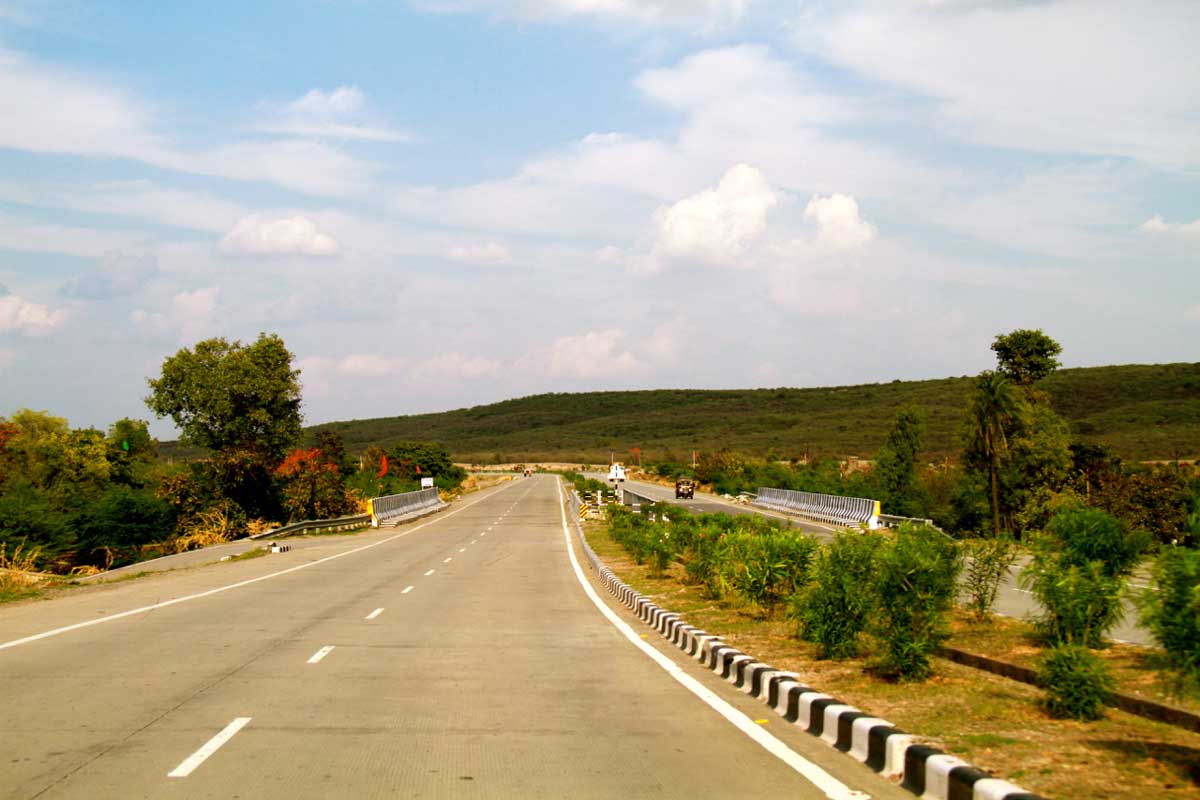
Blackspots on national highways being addressed by NHAI
ROADS & HIGHWAYS

Blackspots on national highways being addressed by NHAI

A concentrated effort is being undertaken by NHAI to identify accident-prone stretches of road and blackspots on national highways as part of the "Road Safety Week" from January 11–17, 2023. For road safety mitigating measures, the NHAI has given its field officers increased powers. Additionally, the authority has assigned a road safety officer to each Regional Office to oversee the safety improvements.

Approximately 4,002 blackspots on the National Highways were discovered between 2015 and 2018 thanks to the NHAI. All of these blackspots have short-term safety mitigation measures in place, and 2,704 blackspots have long-term safety mitigation measures finished. In just FY 2021–22, safety mitigation measures for almost 716 blackspots were put into place. The long-term safety mitigation measures are currently being implemented in various stages for the remaining 1,298 blackspots.

Additionally, all NHAI Regional Officers have been tasked with creating five stretches of "Model Safe Road" that are at least 15 km long as well as five "Model Safe Construction Zones" in order to improve road safety. Ten of these finest construction zones with regard to safety compliance will be assessed, acknowledged, and used as examples for future replication.

One of the major focuses of NHAI is increasing highway safety, and the organisation is dedicated to providing all commuters with a safe, easy, and seamless journey on the highways.

Also read:
Traffic-calming measures are used by NHAI on the Mumbai-Agra motorway
980 billion Delhi-Mumbai Expressway project expected by end of 2023


A concentrated effort is being undertaken by NHAI to identify accident-prone stretches of road and blackspots on national highways as part of the Road Safety Week from January 11–17, 2023. For road safety mitigating measures, the NHAI has given its field officers increased powers. Additionally, the authority has assigned a road safety officer to each Regional Office to oversee the safety improvements. Approximately 4,002 blackspots on the National Highways were discovered between 2015 and 2018 thanks to the NHAI. All of these blackspots have short-term safety mitigation measures in place, and 2,704 blackspots have long-term safety mitigation measures finished. In just FY 2021–22, safety mitigation measures for almost 716 blackspots were put into place. The long-term safety mitigation measures are currently being implemented in various stages for the remaining 1,298 blackspots. Additionally, all NHAI Regional Officers have been tasked with creating five stretches of Model Safe Road that are at least 15 km long as well as five Model Safe Construction Zones in order to improve road safety. Ten of these finest construction zones with regard to safety compliance will be assessed, acknowledged, and used as examples for future replication. One of the major focuses of NHAI is increasing highway safety, and the organisation is dedicated to providing all commuters with a safe, easy, and seamless journey on the highways. Also read: Traffic-calming measures are used by NHAI on the Mumbai-Agra motorway 980 billion Delhi-Mumbai Expressway project expected by end of 2023

Next Story
Infrastructure Urban

Implementation Status of Jal Jeevan Mission

Since August 2019 the Government has implemented Jal Jeevan Mission to provide assured potable water through household tap connections in rural India. At the start of the mission only 32.3 million (mn) rural households, representing 16.7 per cent, were reported to have tap water connections. States and union territories have reported that 125.8 mn additional rural households have since been provided with tap connections. As a result, of about 193.6 mn rural households roughly 158.2 mn, or 81.71 per cent, are reported to have tap water supply at home.\n\nThe State, district and village level st..

Next Story
Infrastructure Urban

Jal Jeevan Mission Reaches Eighty One Per Cent Rural Coverage

The Government reported substantial progress under the Jal Jeevan Mission, launched in August 2019 to provide tap water to every rural household. At launch only 32.3 million (mn) rural households had tap connections and states and Union territories reported provision of 125.8 mn additional households by March 2026. Consequently, out of about 193.6 mn rural households around 158.2 mn, or 81.71 per cent, are reported to have tap water at home. The Finance Minister announced extension of the mission until 2028 in the 2025-26 budget speech. The Swachh Bharat Mission Grameen, launched in October 20..

Next Story
Infrastructure Urban

Empowering Local Governance for Sustainable Rural Water Supply

The Ministry of Jal Shakti has aligned the Jal Jeevan Mission (JJM) with the 73rd Amendment to strengthen village level planning and community ownership of water supply. Gram Panchayats, village water and sanitation committees and Pani Samitis are to plan, implement, manage and maintain piped water systems, with gram sabha processes formalising handover and oversight. Implementation support agencies including non government organisations, community based organisations and self help groups have been empanelled to train local committees and promote women participation. Under JJM, the department ..

Advertisement

Subscribe to Our Newsletter

Get daily newsletters around different themes from Construction world.

STAY CONNECTED

Advertisement

Advertisement

Advertisement