Centre To Use Waste For Bhubaneswar Ring Road Construction
ROADS & HIGHWAYS

Centre To Use Waste For Bhubaneswar Ring Road Construction

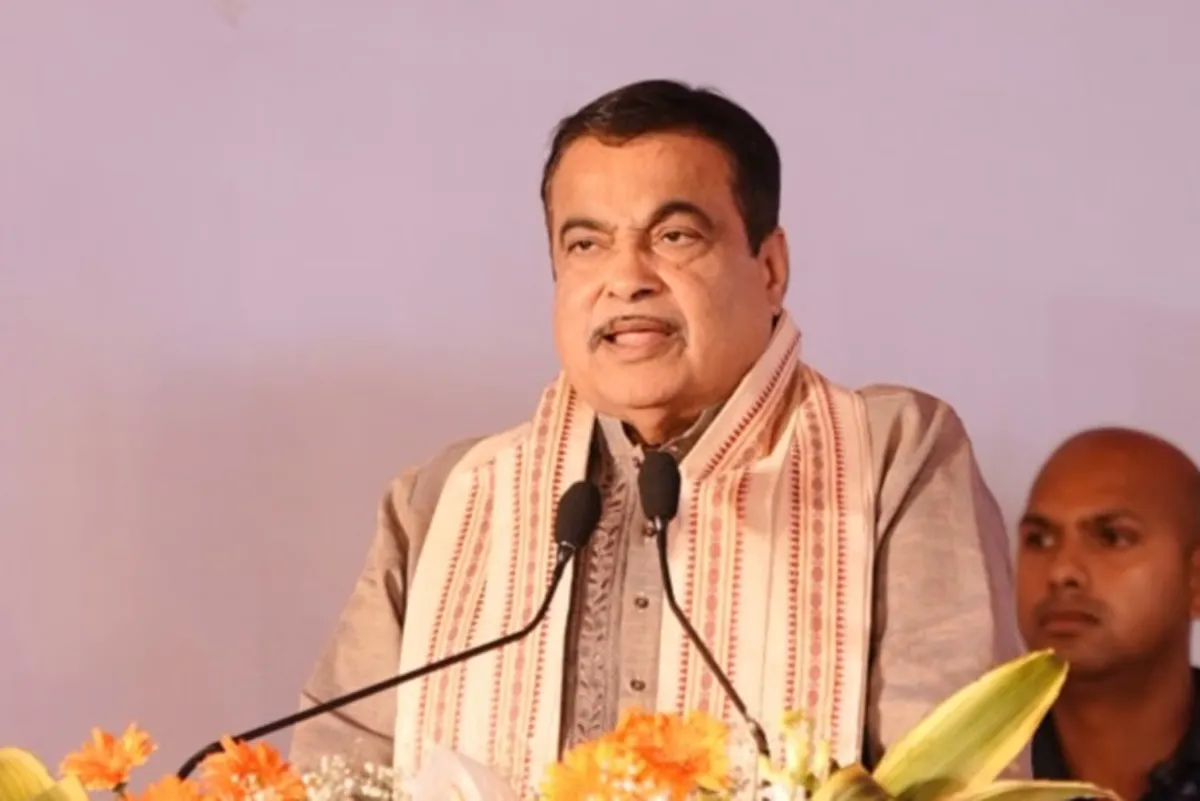
Union Road Transport and Highways Minister Nitin Gadkari has announced that the Centre will assist Odisha in using segregated municipal solid waste for the construction of the new Bhubaneswar Ring Road, an eco-friendly initiative successfully implemented earlier in Delhi, according to The Times of India.

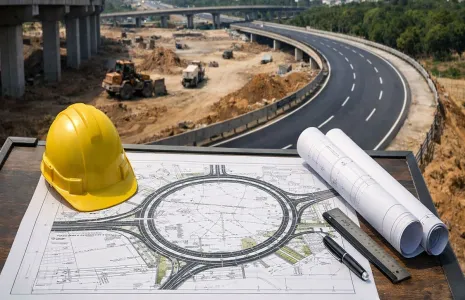
The 110.8-kilometre, six-lane, access-controlled road project, estimated to cost over Rs 83.08 billion, is designed to ease traffic congestion on NH-16 between Cuttack and Bhubaneswar.

Addressing the Indian Roads Congress (IRC) in Bhubaneswar, Gadkari said, “So far, we have used 8 million tonnes of municipal legacy waste for road construction. In Delhi, we reduced waste from the Ghazipur dump yard by segregating and reusing it for road building. We plan to adopt the same model in Bhubaneswar, helping the Odisha government keep the city clean.”

He confirmed that the Centre has already sanctioned the project, which will be executed in three packages, adding, “This is a vital infrastructure project for the capital. The bhoomi puja (groundbreaking ceremony) will be conducted soon.”

The road is expected to be completed within two and a half years, easing congestion on NH-16 between Cuttack and the airport.

Bhubaneswar currently generates around 800 metric tonnes of waste daily. Since the closure of the Bhuasun dumping yard, the Bhubaneswar Municipal Corporation (BMC) has been storing waste at a temporary transit station near Sainik School, processing it through micro-composting centres (MCCs) and material recovery facilities (MRFs).

A BMC official noted, “If the waste is utilised for road construction, the large pile near Sainik School will be reduced, helping us maintain cleanliness and eliminate the stench around the transit station.”

Highlighting the ministry’s commitment to eco-friendly infrastructure, Gadkari said, “It is our duty to protect the ecology and environment. The road sector contributes nearly 40 per cent of national pollution. Our policy promotes import substitutes, cost-effective, pollution-free, and indigenous technologies.”

He further encouraged the use of bamboo for barricades, rice straw for bio-bitumen, and materials like steel slag and recycled tyres in road construction to reduce carbon footprint and improve sustainability.

Union Road Transport and Highways Minister Nitin Gadkari has announced that the Centre will assist Odisha in using segregated municipal solid waste for the construction of the new Bhubaneswar Ring Road, an eco-friendly initiative successfully implemented earlier in Delhi, according to The Times of India. The 110.8-kilometre, six-lane, access-controlled road project, estimated to cost over Rs 83.08 billion, is designed to ease traffic congestion on NH-16 between Cuttack and Bhubaneswar. Addressing the Indian Roads Congress (IRC) in Bhubaneswar, Gadkari said, “So far, we have used 8 million tonnes of municipal legacy waste for road construction. In Delhi, we reduced waste from the Ghazipur dump yard by segregating and reusing it for road building. We plan to adopt the same model in Bhubaneswar, helping the Odisha government keep the city clean.” He confirmed that the Centre has already sanctioned the project, which will be executed in three packages, adding, “This is a vital infrastructure project for the capital. The bhoomi puja (groundbreaking ceremony) will be conducted soon.” The road is expected to be completed within two and a half years, easing congestion on NH-16 between Cuttack and the airport. Bhubaneswar currently generates around 800 metric tonnes of waste daily. Since the closure of the Bhuasun dumping yard, the Bhubaneswar Municipal Corporation (BMC) has been storing waste at a temporary transit station near Sainik School, processing it through micro-composting centres (MCCs) and material recovery facilities (MRFs). A BMC official noted, “If the waste is utilised for road construction, the large pile near Sainik School will be reduced, helping us maintain cleanliness and eliminate the stench around the transit station.” Highlighting the ministry’s commitment to eco-friendly infrastructure, Gadkari said, “It is our duty to protect the ecology and environment. The road sector contributes nearly 40 per cent of national pollution. Our policy promotes import substitutes, cost-effective, pollution-free, and indigenous technologies.” He further encouraged the use of bamboo for barricades, rice straw for bio-bitumen, and materials like steel slag and recycled tyres in road construction to reduce carbon footprint and improve sustainability.

Next Story
Infrastructure Urban

BMC Begins Rs 660-Mn Project to Revive Powai Lake Ecosystem

The Brihanmumbai Municipal Corporation (BMC) has launched a Rs 660-million restoration initiative aimed at improving the ecological health of Powai Lake. The project focuses on diverting sewage inflow, establishing a modern sewage treatment plant (STP), and expanding the removal of water hyacinth, which has increasingly overwhelmed the lake’s surface in recent months. The civic body has set an 18-month deadline for completing the works.According to officials, the rapid spread of hyacinth is directly linked to untreated sewage entering the lake, providing a nutrient-rich environment for the i..

Next Story
Infrastructure Transport

Foundation Laid for Rs 500 Mn Four-lane Road Project in Nalgonda

Roads & Buildings Minister Komatireddy Venkat Reddy inaugurated a major infrastructure initiative in Nalgonda by laying the foundation stone for a Rs 500 million four-lane road project within the town’s municipal limits. The project aims to enhance mobility and ease congestion along a key stretch of the Mahbubnagar–Nalgonda corridor.The new four-lane road will run from the Nagarjunasagar ‘X’ Roads to the Darveshipuram Yellamma Temple, featuring a central median and integrated central lighting to improve road safety and night-time visibility. According to the minister, construction ..

Next Story
Infrastructure Transport

Maharashtra Clears DPR for 55 Km Uttan–Virar Sea Link Project

The Maharashtra government has approved the Detailed Project Report (DPR) for the Uttan–Virar Sea Link (UVSL), a major infrastructure project that will extend Mumbai’s coastal mobility network and complete the city’s envisioned ring road. Designed as an eight-lane, high-speed corridor, the project will span a total length of 55.12 km, including a 24.35 km sea bridge between Uttan and Virar and close to 31 km of approach roads.According to the DPR, the approach road network will include a 9.32 km connecting stretch at Uttan, a 2.5 km link at Vasai, and an 18.95 km road at Virar. The proje..

Advertisement

Subscribe to Our Newsletter

Get daily newsletters around different themes from Construction world.

STAY CONNECTED

Advertisement

Advertisement

Advertisement

Get CW App