
Delhi-Mumbai Expressway Project Delayed
ROADS & HIGHWAYS

Delhi-Mumbai Expressway Project Delayed

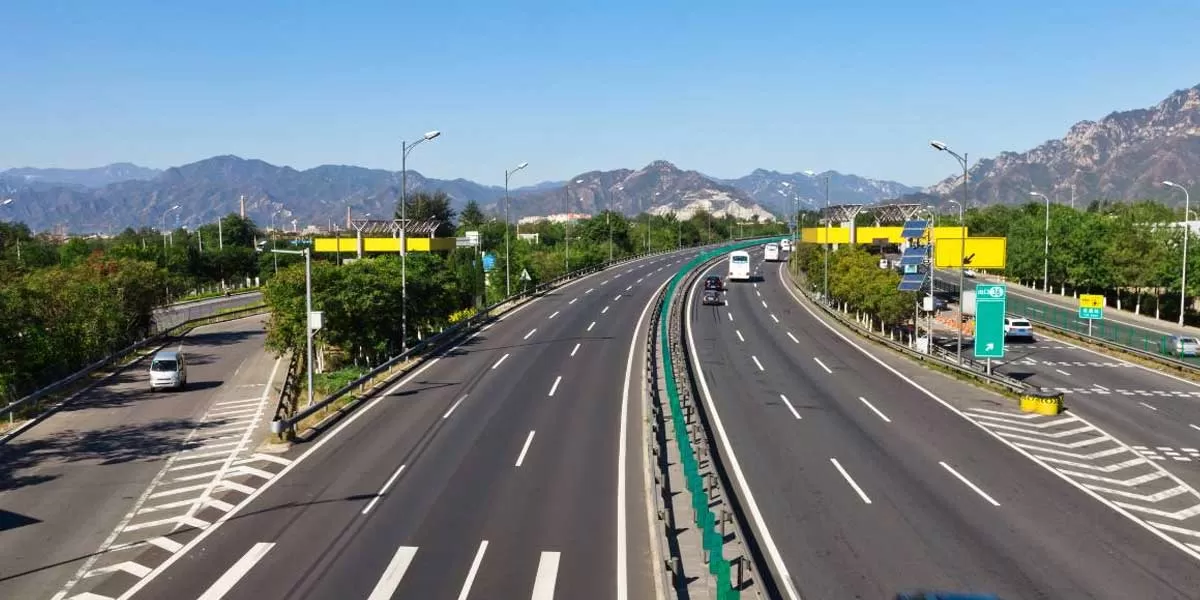
The ambitious Delhi-Mumbai Expressway project, initially slated for completion in 2024, has encountered further delays, pushing the expected completion date to 2025. This delay affects one of India's most significant infrastructure undertakings aimed at enhancing connectivity between the national capital, Delhi, and the financial hub, Mumbai.

Spanning approximately 1,386 kilometers, the Delhi-Mumbai Expressway is designed to be an eight-lane, access-controlled highway, significantly reducing travel time between the two cities from the current 24 hours to about 12 hours. The project promises to transform road transportation in India by facilitating smoother and faster movement of goods and passengers.

The delay is attributed to various factors, including land acquisition issues, environmental clearances, and challenges in construction due to the diverse and difficult terrains the expressway traverses. These obstacles have hindered the progress of the project despite substantial efforts by the authorities and construction teams.

The expressway is expected to pass through six states: Delhi, Haryana, Rajasthan, Madhya Pradesh, Gujarat, and Maharashtra. This vast geographical span necessitates coordination among multiple state governments and agencies, adding complexity to the project. The revised completion timeline now aims for the end of 2025, providing additional time to address these challenges and ensure the project meets its quality and safety standards.

The delay in the Delhi-Mumbai Expressway project has significant implications for economic activities and regional connectivity. The expressway is anticipated to bolster trade and commerce by facilitating quicker and more reliable transportation of goods between Delhi and Mumbai, two of India's most critical economic centers. Furthermore, it is expected to spur development along the corridor, contributing to the economic growth of the regions it traverses.

Government officials and stakeholders remain committed to the project, emphasizing the long-term benefits it will bring despite the current setbacks. Efforts are being made to expedite the remaining construction work, resolve pending issues, and ensure the project progresses smoothly towards the new deadline.

In conclusion, the Delhi-Mumbai Expressway project's delay to 2025 highlights the challenges of executing large-scale infrastructure projects in India. However, the project?s completion is set to bring transformative changes to the country's transportation landscape, significantly enhancing connectivity and fostering economic growth. As work continues, the focus remains on overcoming the obstacles to deliver a world-class expressway that meets the needs of the nation.

The ambitious Delhi-Mumbai Expressway project, initially slated for completion in 2024, has encountered further delays, pushing the expected completion date to 2025. This delay affects one of India's most significant infrastructure undertakings aimed at enhancing connectivity between the national capital, Delhi, and the financial hub, Mumbai. Spanning approximately 1,386 kilometers, the Delhi-Mumbai Expressway is designed to be an eight-lane, access-controlled highway, significantly reducing travel time between the two cities from the current 24 hours to about 12 hours. The project promises to transform road transportation in India by facilitating smoother and faster movement of goods and passengers. The delay is attributed to various factors, including land acquisition issues, environmental clearances, and challenges in construction due to the diverse and difficult terrains the expressway traverses. These obstacles have hindered the progress of the project despite substantial efforts by the authorities and construction teams. The expressway is expected to pass through six states: Delhi, Haryana, Rajasthan, Madhya Pradesh, Gujarat, and Maharashtra. This vast geographical span necessitates coordination among multiple state governments and agencies, adding complexity to the project. The revised completion timeline now aims for the end of 2025, providing additional time to address these challenges and ensure the project meets its quality and safety standards. The delay in the Delhi-Mumbai Expressway project has significant implications for economic activities and regional connectivity. The expressway is anticipated to bolster trade and commerce by facilitating quicker and more reliable transportation of goods between Delhi and Mumbai, two of India's most critical economic centers. Furthermore, it is expected to spur development along the corridor, contributing to the economic growth of the regions it traverses. Government officials and stakeholders remain committed to the project, emphasizing the long-term benefits it will bring despite the current setbacks. Efforts are being made to expedite the remaining construction work, resolve pending issues, and ensure the project progresses smoothly towards the new deadline. In conclusion, the Delhi-Mumbai Expressway project's delay to 2025 highlights the challenges of executing large-scale infrastructure projects in India. However, the project?s completion is set to bring transformative changes to the country's transportation landscape, significantly enhancing connectivity and fostering economic growth. As work continues, the focus remains on overcoming the obstacles to deliver a world-class expressway that meets the needs of the nation.

Next Story
Real Estate

Indian real estate attracts USD 1.4 bn institutional investments in Q1 2026: Vestian

Institutional investments in India’s real estate sector touched USD 1.4 billion in Q1 2026, marking the highest first-quarter inflow since 2022, according to Vestian. While investments fell 62 per cent quarter-on-quarter due to an exceptionally high base in the previous quarter, they rose 74 per cent compared to the same period last year, reflecting sustained investor confidence despite rising geopolitical and macroeconomic challenges.Commercial real estate remained the key driver of investment activity during the quarter, accounting for 80 per cent of total inflows, sharply higher than 38 p..
Next Story
Infrastructure Transport

VECV crosses 1 lakh annual vehicle sales milestone in FY26

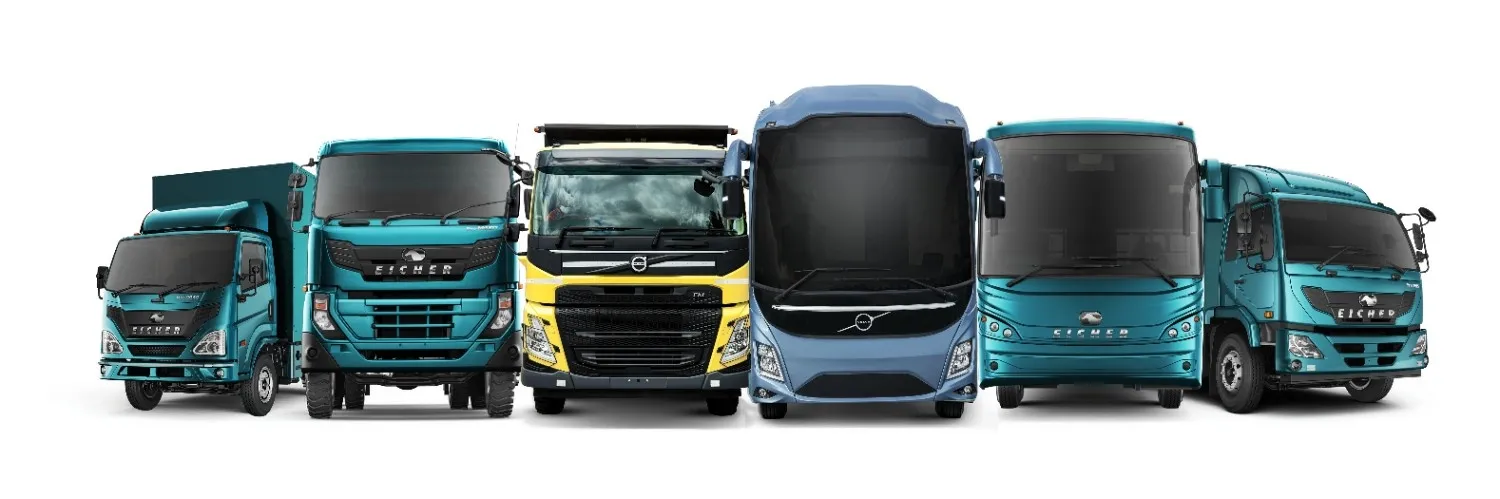
VE Commercial Vehicles (VECV), a joint venture between Volvo Group and Eicher Motors, has surpassed the 1 lakh annual sales mark in FY 2025–26, recording its highest-ever commercial vehicle sales performance. The company said it sold more than 100,000 vehicles during the year, marking a major milestone aligned with the original vision of the Volvo–Eicher joint venture.The strong performance was supported by demand across categories. Light and Medium Duty (LMD) trucks contributed 47,789 units, accounting for 46.1 per cent of total sales. Heavy Duty (HD) trucks recorded 26,867 units (25.9 pe..
Next Story
Technology

Rodic Digital & Advisory partners SatSure to deploy EO intelligence in public sector

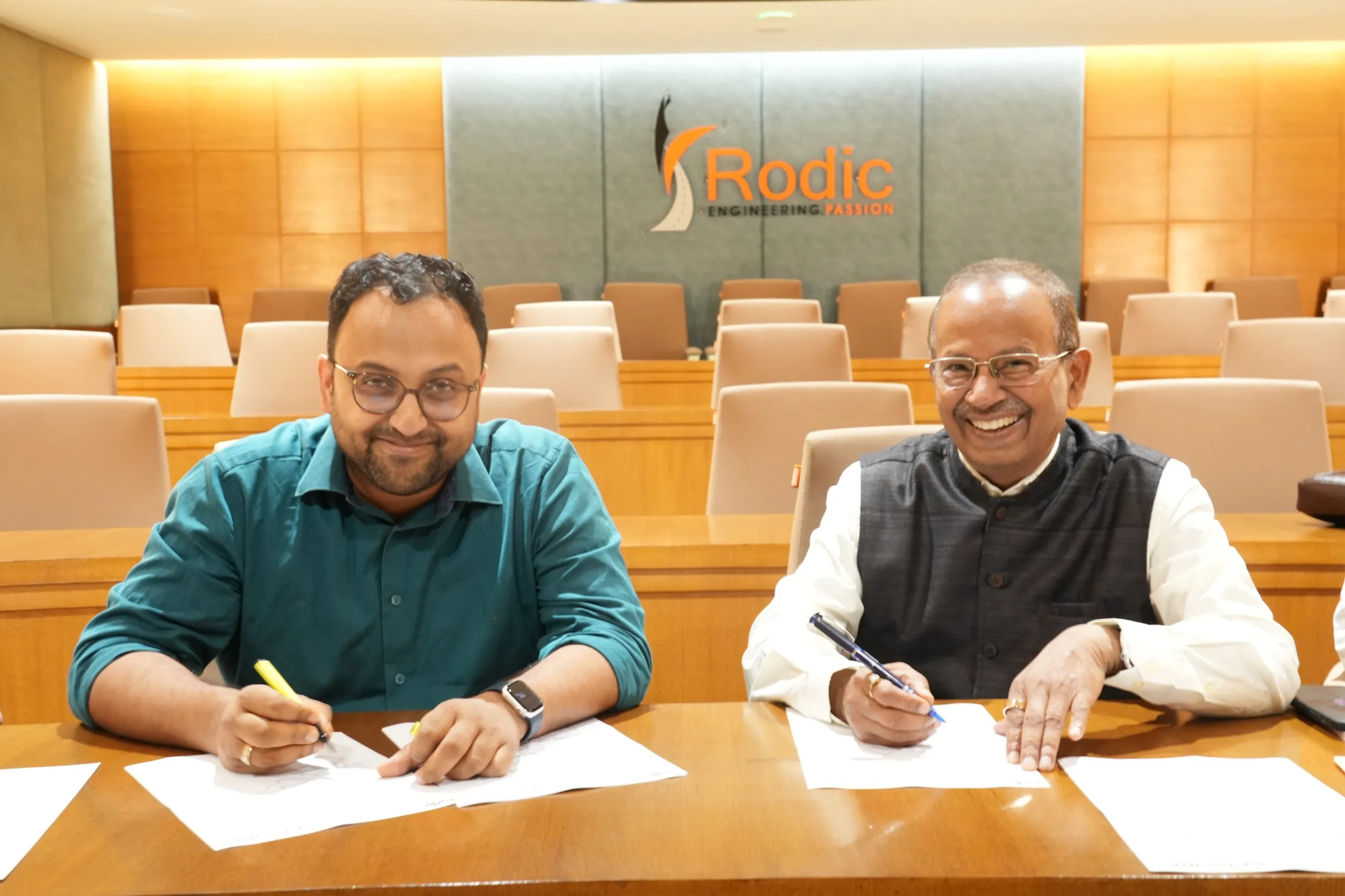
Rodic Digital & Advisory (RDA), the strategic advisory and digital transformation arm of Rodic Consultants, has signed a strategic cooperation Memorandum of Understanding (MoU) with SatSure to jointly pursue opportunities in India’s public sector. The collaboration aims to integrate high-resolution Earth Observation (EO) data and geospatial AI into government workflows to strengthen monitoring, compliance, and operational decision-making across key sectors.The partnership combines SatSure’s Earth intelligence capabilities with RDA’s expertise in government digital transformation and ..

Advertisement

Subscribe to Our Newsletter

Get daily newsletters around different themes from Construction world.

STAY CONNECTED

Advertisement

Advertisement

Advertisement