Delhi–Dehradun Expressway to Boost Western Uttar Pradesh Growth
ROADS & HIGHWAYS

Delhi–Dehradun Expressway to Boost Western Uttar Pradesh Growth

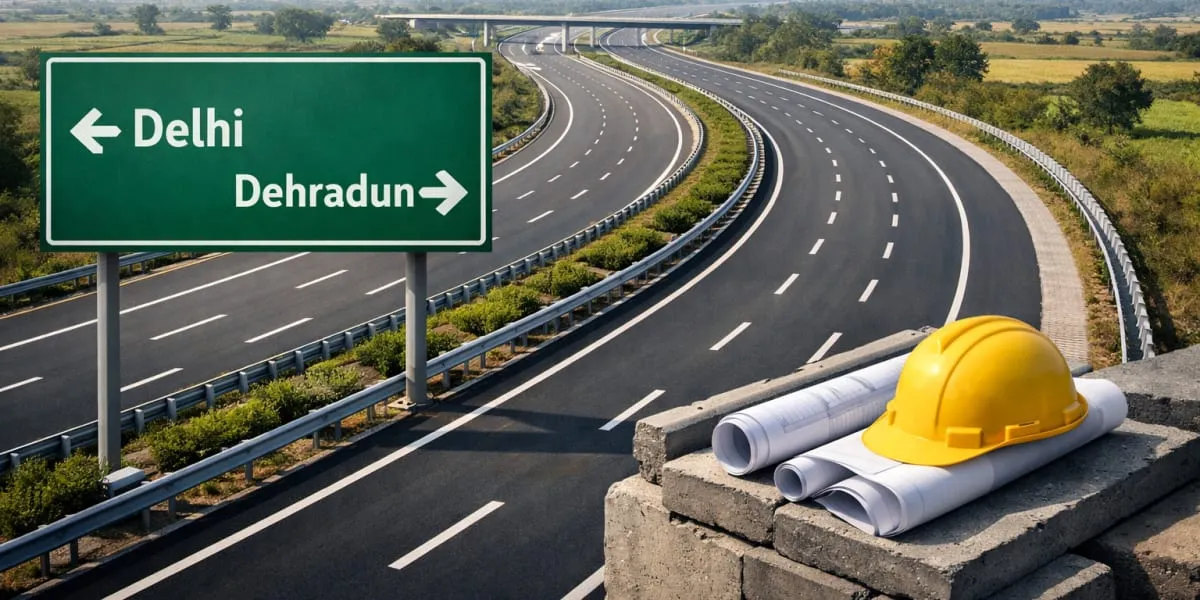
The newly inaugurated Delhi–Dehradun expressway reduces travel time from six to seven hours to two and a half hours and runs largely through western Uttar Pradesh, with 135 km of the 212-km corridor, around 64 per cent, in the state. Built at an estimated cost of Rs 120 billion (Rs 120 bn) over four years, the six-lane access-controlled road is envisaged as a major infrastructure push for multiple districts. The initial 18-km stretch has been kept toll-free to ease local movement.

It links to the Eastern Peripheral Expressway at Mandola and traverses Ghaziabad, Baghpat, Shamli and Saharanpur within Uttar Pradesh, with Baghpat and Saharanpur covering roughly 45–50 km each and Shamli about 35–40 km. Interchanges at Khekra, Baraut and other points connect local towns to the corridor and preserve regional accessibility.

The Baghpat stretch is entirely greenfield and is expected to prompt changes in land use, with logistics hubs, warehouses and real estate projects anticipated along the route. Officials said the expressway should attract investment to districts previously bypassed in industrial growth and improve access for agro-processing and manufacturing. An interchange near Deoband in Saharanpur is intended to enhance passenger and freight movement before the road enters Uttarakhand.

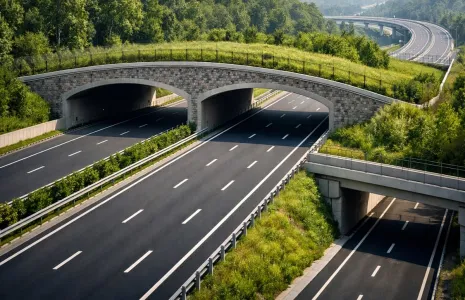
The route includes 113 underpasses, five railway overbridges, 62 bus shelters and 16 entry and exit points to enable uninterrupted travel. Advanced surveillance systems and sensors have been installed to detect accidents quickly, with emergency assistance expected to arrive within ten minutes. The speed limit has been capped at 100 km/h and a 12-km elevated wildlife corridor through the Rajaji Tiger Reserve has been incorporated to allow animal movement beneath the road.

Authorities noted that improved connectivity is likely to boost economic prospects in western Uttar Pradesh and create job opportunities for local youth, while faster routes should reduce transport time and costs for farmers and help secure better prices for perishable produce. Tolls have been fixed at Rs three per kilometre, making a one-way journey from Delhi to Dehradun approximately Rs 675, with discounts on return trips within 24 hours.

The newly inaugurated Delhi–Dehradun expressway reduces travel time from six to seven hours to two and a half hours and runs largely through western Uttar Pradesh, with 135 km of the 212-km corridor, around 64 per cent, in the state. Built at an estimated cost of Rs 120 billion (Rs 120 bn) over four years, the six-lane access-controlled road is envisaged as a major infrastructure push for multiple districts. The initial 18-km stretch has been kept toll-free to ease local movement. It links to the Eastern Peripheral Expressway at Mandola and traverses Ghaziabad, Baghpat, Shamli and Saharanpur within Uttar Pradesh, with Baghpat and Saharanpur covering roughly 45–50 km each and Shamli about 35–40 km. Interchanges at Khekra, Baraut and other points connect local towns to the corridor and preserve regional accessibility. The Baghpat stretch is entirely greenfield and is expected to prompt changes in land use, with logistics hubs, warehouses and real estate projects anticipated along the route. Officials said the expressway should attract investment to districts previously bypassed in industrial growth and improve access for agro-processing and manufacturing. An interchange near Deoband in Saharanpur is intended to enhance passenger and freight movement before the road enters Uttarakhand. The route includes 113 underpasses, five railway overbridges, 62 bus shelters and 16 entry and exit points to enable uninterrupted travel. Advanced surveillance systems and sensors have been installed to detect accidents quickly, with emergency assistance expected to arrive within ten minutes. The speed limit has been capped at 100 km/h and a 12-km elevated wildlife corridor through the Rajaji Tiger Reserve has been incorporated to allow animal movement beneath the road. Authorities noted that improved connectivity is likely to boost economic prospects in western Uttar Pradesh and create job opportunities for local youth, while faster routes should reduce transport time and costs for farmers and help secure better prices for perishable produce. Tolls have been fixed at Rs three per kilometre, making a one-way journey from Delhi to Dehradun approximately Rs 675, with discounts on return trips within 24 hours.

Related Stories

Gold Stories

Next Story
Real Estate

LML Realty Sells Out Jhirka Valley Industrial Park in Haryana

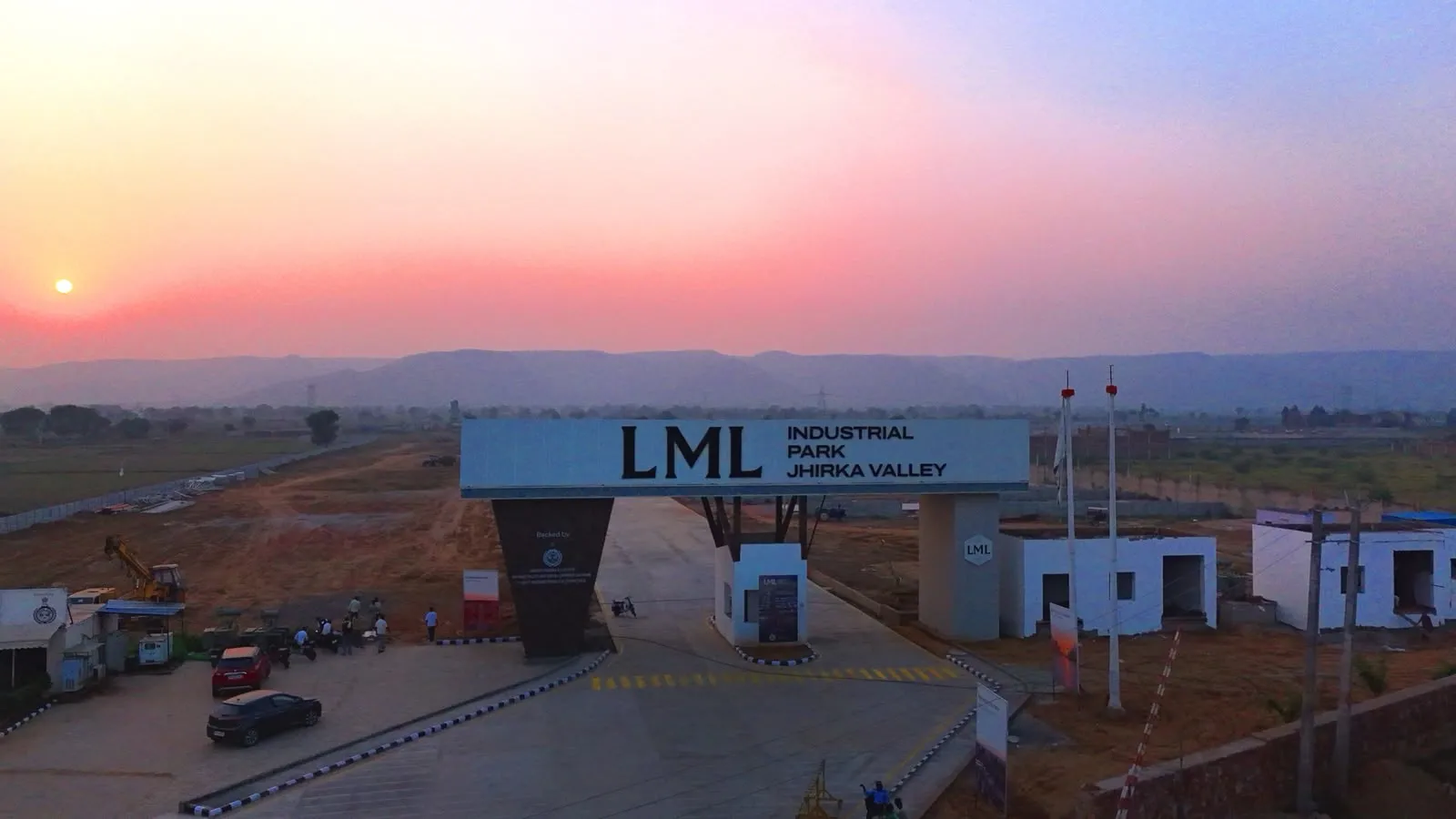
LML Realty, the real estate arm of LML Group, recently announced the complete sell-out of its Jhirka Valley Industrial Park in Haryana, with over 1.17 million sq ft of industrial space acquired by more than 50 companies. With utilities and internal infrastructure in place, the company has commenced plot handovers, enabling buyers to begin construction and establish their operations.The industrial park has attracted companies across diverse sectors, including chemicals, metals and alloys, textiles, electrical equipment, energy, logistics, construction, polymers and engineering. Key buyers inclu..

Next Story
Real Estate

WSB Real Estate Partners Exits Six Housing Investments

WSB Real Estate Partners recently announced the successful exit of six residential investments across Bengaluru, Mumbai Metropolitan Region (MMR) and National Capital Region (NCR), delivering an average internal rate of return (IRR) of 19–21 per cent and an overall investment return of 1.4 times.The real estate-focused investment firm invested approximately Rs 7 billion across six mid-affordable housing projects over the past four years. All six investments were fully repaid between April and November 2026, several months ahead of their original investment tenures.WSB collaborated with sever..

Next Story
Infrastructure Transport

Aluminium Industry Seeks Policy Support for Rs 4 Trillion Investment

The Aluminium Association of India (AAI) has recently urged the government to introduce supportive policy measures to safeguard the sector’s proposed Rs 4 trillion investment pipeline. The association highlighted the need for a predictable policy framework to strengthen domestic manufacturing, expand production capacity and reduce import dependence.AAI submitted its recommendations for the Union Budget 2027-28 to the Ministries of Finance, Commerce and Industry, and Mines, along with the Department for Promotion of Industry and Internal Trade (DPIIT).India’s aluminium demand is projected t..

Subscribe to Our Newsletter

Get daily newsletters around different themes from Construction world.

STAY CONNECTED

Advertisement

SPECIAL OFFER
QR Code