Delhi-Dehradun Expressway Opens With 11 km Wildlife Corridor
ROADS & HIGHWAYS

Delhi-Dehradun Expressway Opens With 11 km Wildlife Corridor

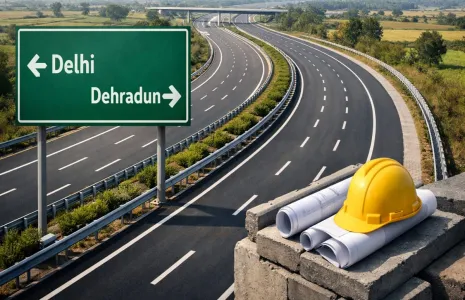
Prime Minister Narendra Modi inaugurated the Delhi–Dehradun Expressway, a 210-km controlled-access highway built at a cost of Rs 118.68 bn, the Ministry of Road Transport and Highways (MoRTH) said. The ministry said the route will reduce the road distance from 235 km to 210 km and cut travel time from six point five hours to two point five hours when operational. The project includes a spur to Haridwar.

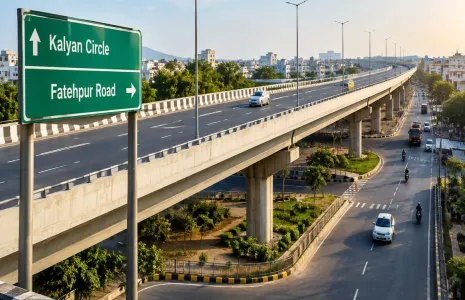
The expressway is designed for a minimum speed of 100 kmph and comprises multiple packages intended to decongest north-east Delhi and improve regional connectivity. The first package comprises 14.75 km in Delhi, of which six point four km is elevated, and a 16.85 km section in Uttar Pradesh with 11.2 km elevated. Subsequent stretches pass through Baghpat, Shamli, Muzaffarnagar and Saharanpur, and a four-lane link runs from the Saharanpur bypass to Ganeshpur.

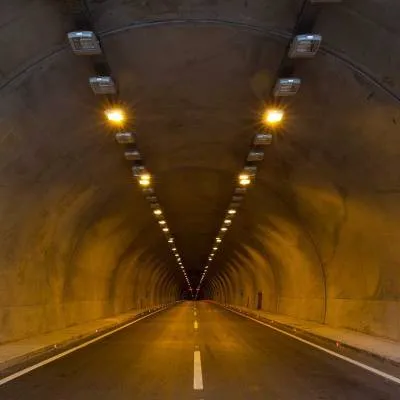
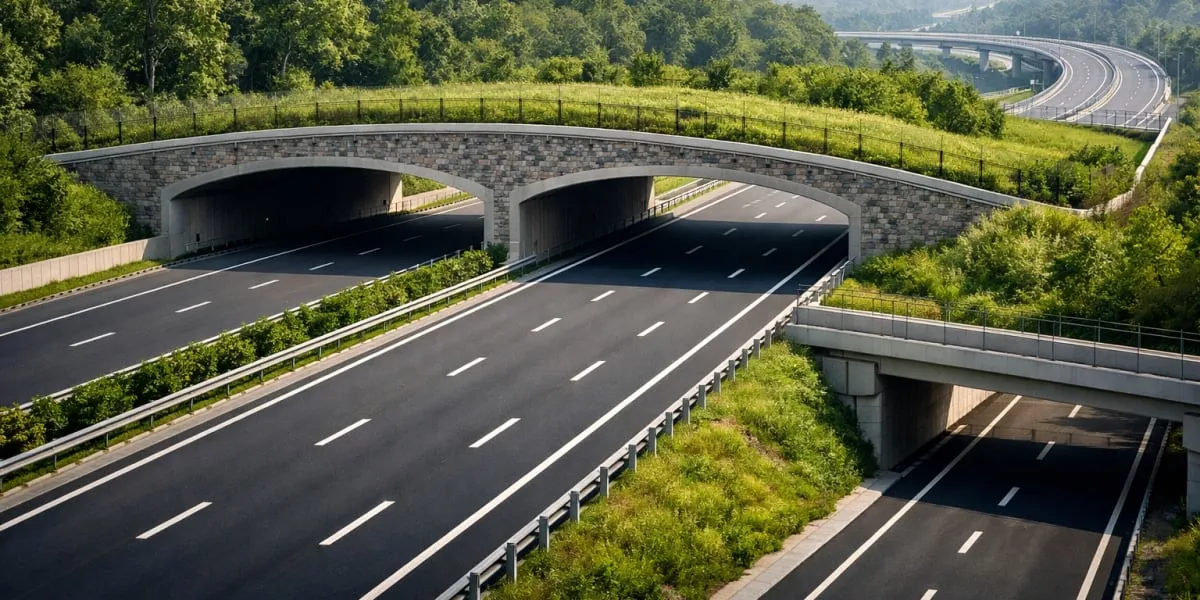
A 20 km corridor through Reserve Forest and Rajaji National Park includes a 10.97 km animal underpass and an elevated wildlife corridor averaging six to seven metres in height to permit movement of the largest mammals. The Daat Kali tunnel, at 340 metres, had its breakthrough in August 2022 and was constructed to facilitate wildlife passage. Officials said compensatory afforestation has been undertaken across 165.5 hectares and about 195,000 trees have been planted as mitigation.

The National Highways Authority of India (NHAI), in collaboration with the Wildlife Institute of India (WII), reported that a forty-day monitoring study using 150 camera traps and 29 AudioMoth recorders produced 111,234 images, of which 40,444 were of 18 wild species using the structures and 60 records of elephants using the corridor. Authorities reported fuel savings projected at around 19 per cent and an expected reduction of 240 million tonnes (240 mn t) of carbon dioxide over the next 20 years, equivalent to the absorption capacity of six to six point eight million trees. The agency also said a land dispute over a 90-metre stretch of service road had been addressed with a temporary bypass to avoid hindrance to mainline traffic.

"Join industry leaders at RAHSTA Expo, India's premier platform for roads, highways and traffic infrastructure. Register now to explore innovations, network with experts and shape the future of mobility."

Prime Minister Narendra Modi inaugurated the Delhi–Dehradun Expressway, a 210-km controlled-access highway built at a cost of Rs 118.68 bn, the Ministry of Road Transport and Highways (MoRTH) said. The ministry said the route will reduce the road distance from 235 km to 210 km and cut travel time from six point five hours to two point five hours when operational. The project includes a spur to Haridwar. The expressway is designed for a minimum speed of 100 kmph and comprises multiple packages intended to decongest north-east Delhi and improve regional connectivity. The first package comprises 14.75 km in Delhi, of which six point four km is elevated, and a 16.85 km section in Uttar Pradesh with 11.2 km elevated. Subsequent stretches pass through Baghpat, Shamli, Muzaffarnagar and Saharanpur, and a four-lane link runs from the Saharanpur bypass to Ganeshpur. A 20 km corridor through Reserve Forest and Rajaji National Park includes a 10.97 km animal underpass and an elevated wildlife corridor averaging six to seven metres in height to permit movement of the largest mammals. The Daat Kali tunnel, at 340 metres, had its breakthrough in August 2022 and was constructed to facilitate wildlife passage. Officials said compensatory afforestation has been undertaken across 165.5 hectares and about 195,000 trees have been planted as mitigation. The National Highways Authority of India (NHAI), in collaboration with the Wildlife Institute of India (WII), reported that a forty-day monitoring study using 150 camera traps and 29 AudioMoth recorders produced 111,234 images, of which 40,444 were of 18 wild species using the structures and 60 records of elephants using the corridor. Authorities reported fuel savings projected at around 19 per cent and an expected reduction of 240 million tonnes (240 mn t) of carbon dioxide over the next 20 years, equivalent to the absorption capacity of six to six point eight million trees. The agency also said a land dispute over a 90-metre stretch of service road had been addressed with a temporary bypass to avoid hindrance to mainline traffic.

Next Story
Infrastructure Urban

ABS Marine Sees CRISIL Credit Rating Upgrade

ABS Marine Services has secured an upgrade to its long term and short term credit ratings from CRISIL, reflecting improved profitability and revenue growth through long term contracts. CRISIL moved the long term rating from BBB+/Stable to A-/Stable and revised the short term rating from A2 to A2+. The action signals strengthened financial metrics and operational resilience. The company benefited from durable client relationships with firms such as ONGC and Schlumberger. The rating decision followed stronger cash flows and an enlarged bank loan facility, which increased from Rs 3,705 million (m..

Next Story
Infrastructure Transport

Project BRAHMANK Marks 16 Years Of Strategic Roads In Arunachal

Project BRAHMANK is marking 16 years of work to establish strategic road and bridge links across Arunachal Pradesh, maintaining and developing 811 kilometres of roads and nearly 86 bridges that range from small culverts to large steel and arch bridges. These transport links are described as critical for ensuring year-round movement of defence personnel, equipment and essential supplies while improving everyday travel for people in remote villages. The project balances national security requirements with regional development by focusing on reliable access in challenging terrain. Notable enginee..

Next Story
Infrastructure Transport

Longleng CSOs Give One Week Ultimatum Over Two-Lane Highway

Civil society organisations (CSOs) in Longleng district have demanded immediate restoration of the deteriorating Changtongya–Longleng two-lane road and sought a detailed status report on the stalled construction within one week. The demand followed a consultative meeting convened under the Phom Peoples' Council (PPC) to discuss welfare and development concerns. PPC president YB Angam Phom said prolonged non-maintenance had caused hardship to commuters and affected transportation, local commerce and the district's development. The meeting urged authorities to undertake immediate restoration a..

Advertisement

Subscribe to Our Newsletter

Get daily newsletters around different themes from Construction world.

STAY CONNECTED

Advertisement

Advertisement

Advertisement