Gadkari Reviews High-Speed And High-Density Corridors In Maharashtra
ROADS & HIGHWAYS

Gadkari Reviews High-Speed And High-Density Corridors In Maharashtra
Union Minister of Road Transport and Highways Nitin Gadkari reviewed proposed high-speed and high-density corridors and other National Highway (NH) corridors in Maharashtra at a meeting in New Delhi.

The minister examined plans to accelerate project planning and execution to strengthen road connectivity and support economic development in the region.

The review addressed a series of corridor upgrades including six-laning of the Nagpur–Bhandara section and six-laning of the Bhandara–Raipur section, four-laning of the Taloda–Burhanpur section, and six-laning of the Nagpur–Amravati section.

It also covered the Durg–Gadchiroli–Mancherial corridor, the Gadchiroli–Kanker Raipur–Vizag corridor, the Gwalior–Nagpur corridor, the Nagpur–Hyderabad corridor, the Lakhnadon–Durg–Raipur corridor, and the Madhya Pradesh–Maharashtra Border–Nagpur Bypass–Borkhedi stretch on NH-44.

The meeting further reviewed nine State Build-Operate-Transfer (BOT) projects covering a total length of 527 km on National Highway stretches in Maharashtra.

These projects comprised Shirur–Ahilyanagar four-lane, Ahilyanagar–Wadala four-lane, Wadala–Chhatrapati Sambhajinagar four-lane, Chhatrapati Sambhajinagar–Jalna four-lane, Jalna–Watur four-lane, Nanded–Narsi–Deglur four-lane and two-lane, Jam–Warora four-lane, Warora–Chandrapur–Bamni four-lane, and Malkapur–Chikhli two-lane corridors.

The review focused on measures to expedite approvals and implementation while maintaining technical and environmental standards.

Officials were urged to prioritise timely execution and coordinated agency action to realise the connectivity benefits and support regional economic activity.

Follow-up action will include regular review of project milestones, enhanced interagency coordination and focused monitoring of contractual and financial milestones to reduce delays.

The ministry indicated that adopting efficient procurement and construction practices alongside stringent quality checks would help ensure durability and cost effectiveness.

Stakeholders will be expected to provide periodic progress reports to enable central and state authorities to address bottlenecks and maintain momentum.

These measures aim to improve freight movement and reduce travel time, thereby supporting trade and regional integration.

Coordination with state agencies and contractors will remain central to achieving the planned connectivity outcomes within scheduled timeframes.

Progress will be tracked through dashboards.

Union Minister of Road Transport and Highways Nitin Gadkari reviewed proposed high-speed and high-density corridors and other National Highway (NH) corridors in Maharashtra at a meeting in New Delhi. The minister examined plans to accelerate project planning and execution to strengthen road connectivity and support economic development in the region. The review addressed a series of corridor upgrades including six-laning of the Nagpur–Bhandara section and six-laning of the Bhandara–Raipur section, four-laning of the Taloda–Burhanpur section, and six-laning of the Nagpur–Amravati section. It also covered the Durg–Gadchiroli–Mancherial corridor, the Gadchiroli–Kanker Raipur–Vizag corridor, the Gwalior–Nagpur corridor, the Nagpur–Hyderabad corridor, the Lakhnadon–Durg–Raipur corridor, and the Madhya Pradesh–Maharashtra Border–Nagpur Bypass–Borkhedi stretch on NH-44. The meeting further reviewed nine State Build-Operate-Transfer (BOT) projects covering a total length of 527 km on National Highway stretches in Maharashtra. These projects comprised Shirur–Ahilyanagar four-lane, Ahilyanagar–Wadala four-lane, Wadala–Chhatrapati Sambhajinagar four-lane, Chhatrapati Sambhajinagar–Jalna four-lane, Jalna–Watur four-lane, Nanded–Narsi–Deglur four-lane and two-lane, Jam–Warora four-lane, Warora–Chandrapur–Bamni four-lane, and Malkapur–Chikhli two-lane corridors. The review focused on measures to expedite approvals and implementation while maintaining technical and environmental standards. Officials were urged to prioritise timely execution and coordinated agency action to realise the connectivity benefits and support regional economic activity. Follow-up action will include regular review of project milestones, enhanced interagency coordination and focused monitoring of contractual and financial milestones to reduce delays. The ministry indicated that adopting efficient procurement and construction practices alongside stringent quality checks would help ensure durability and cost effectiveness. Stakeholders will be expected to provide periodic progress reports to enable central and state authorities to address bottlenecks and maintain momentum. These measures aim to improve freight movement and reduce travel time, thereby supporting trade and regional integration. Coordination with state agencies and contractors will remain central to achieving the planned connectivity outcomes within scheduled timeframes. Progress will be tracked through dashboards.

Next Story
Infrastructure Urban

Panasonic Showcases Connected Display Solutions

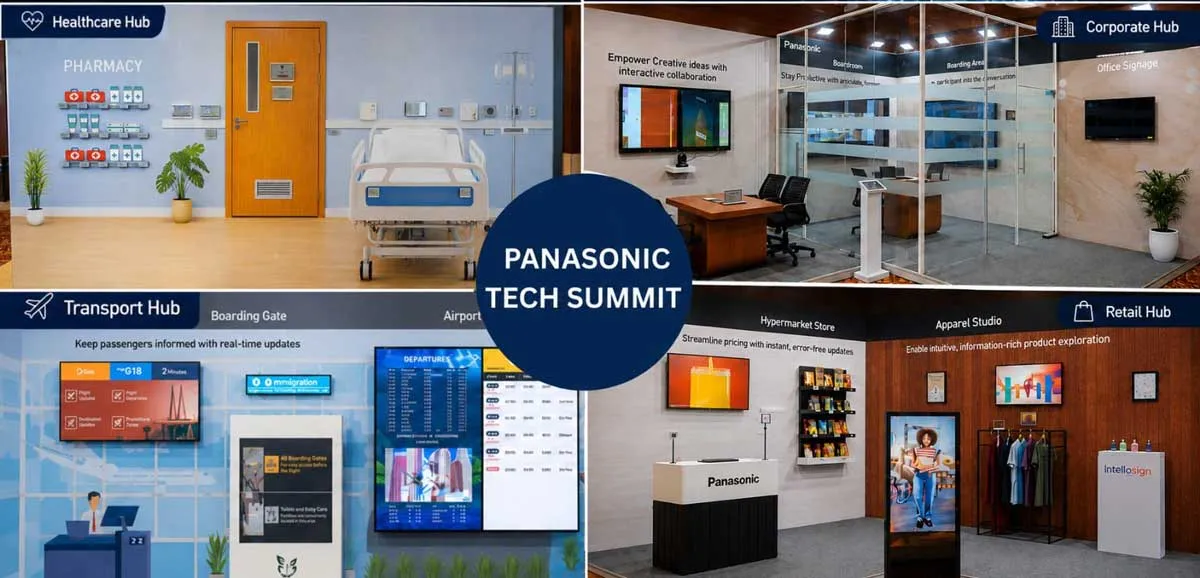
Panasonic Life Solutions India showcased its integrated display, projection, broadcast and communication technologies at Panasonic Tech Summit 2026 in New Delhi. Hosted through its System Solutions Division, the two-day event highlighted connected technology solutions for education, healthcare, retail, transportation, corporate offices and entertainment.The summit, themed ‘Turning Technology into Value’, featured experience-led zones covering QSR, retail, transit, corporate offices, healthcare, education, security, projection, home theatre and professional displays. Panasonic also introduc..
Next Story
Infrastructure Transport

Kapsch to Deliver India’s First C-ITS Project

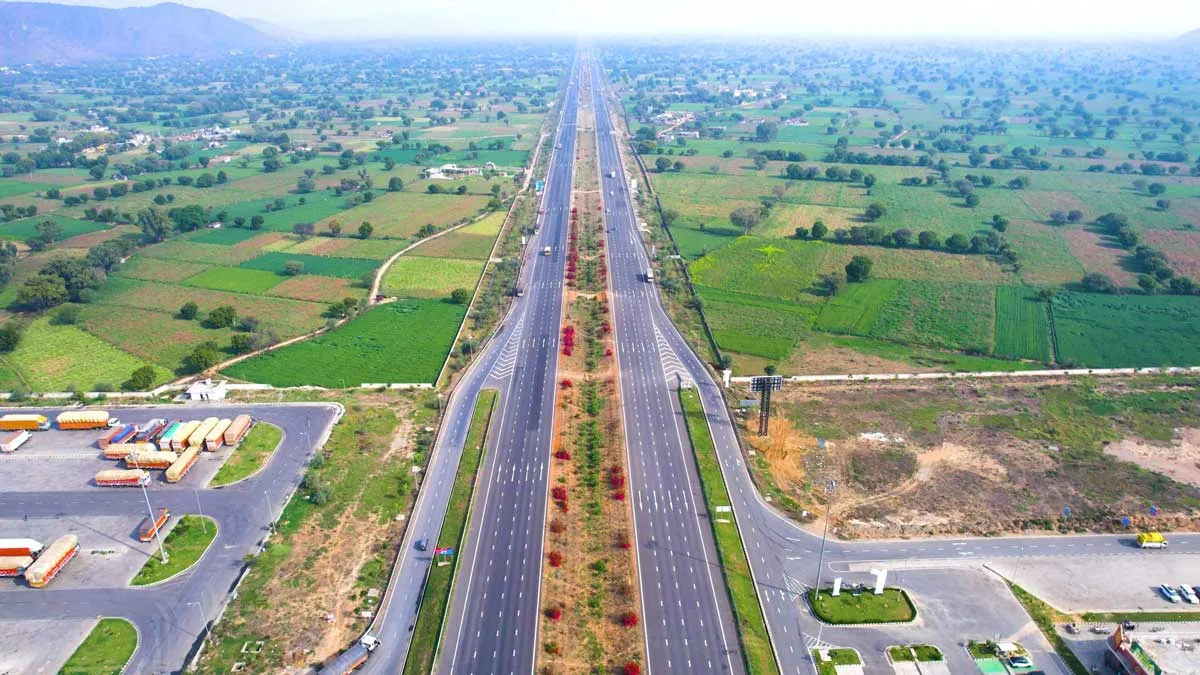
"Kapsch TrafficCom will deliver India’s first Cooperative Intelligent Transport Systems project on a key expressway near New Delhi. The project will be implemented with Superwave Communication And Infrasolution Limited to demonstrate how connected mobility can improve road safety and traffic efficiency.The pilot will use real-time connectivity and AI-enabled situational awareness to support road users, especially in high-risk areas such as temporary work zones. Drivers will receive alerts on roadworks, maintenance vehicles, hazardous locations, traffic queues and temporary virtual signage di..

Next Story
Infrastructure Urban

Eurobond Net Profit Rises 44 Per Cent

Euro Panel Products, the parent company of Eurobond, reported a 44.13 per cent year-on-year rise in net profit for FY25–26. The company’s revenue from operations grew 18.91 per cent to Rs 503.20 crore, compared to Rs 423.18 crore in the previous financial year.The company’s full-year EBITDA stood at Rs 56.67 crore, marking a 31.82 per cent increase. Profit after tax rose to Rs 26.56 crore, while net worth increased 20.15 per cent to Rs 160.07 crore. Earnings per share for the year stood at Rs 10.84.Divyam Rajesh Shah, Whole Time Director and CFO, Euro Panel Products, said the company’s..

Advertisement

Subscribe to Our Newsletter

Get daily newsletters around different themes from Construction world.

STAY CONNECTED

Advertisement

Advertisement

Advertisement

-->