Gadkari Warns of Penalties as AI Highway Monitoring Expands
ROADS & HIGHWAYS

Gadkari Warns of Penalties as AI Highway Monitoring Expands

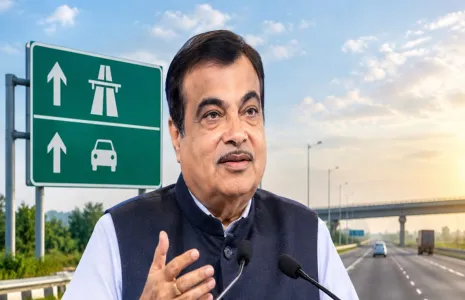
The Centre will deploy Network Surveillance Vehicles (NSVs) to identify potholes and assess road conditions across national highways, road transport and highways minister Nitin Gadkari said. Contractors, consultants and officials found responsible for poor quality will face penalties and possible blacklisting, he said at a CII conference in New Delhi.

The Ministry of Road Transport and Highways (MoRTH) has intensified quality monitoring, helping reduce reported construction-quality problems by 30 per cent, according to Gadkari. The National Highways Authority of India (NHAI) is using NSVs to monitor pavement quality, plan repairs and feed information into artificial intelligence-based systems including the RAMS Data Lake.

The vehicle-mounted, multi-sensor platforms assess roads at speeds of 40–80 km/h. Gadkari said the ministry had blacklisted several manufacturers of bearings and expansion joints over quality concerns and was following a zero-tolerance approach to lapses. The ministry is also deploying AI-based Advanced Traffic Management Systems across about 1,000 km of highways in the first phase to track traffic movements in real time.

Gadkari linked improved infrastructure with lower logistics costs and said India’s costs had fallen from 16 per cent of gross domestic product two years ago to 9 per cent. He said India’s ambition to become a $5 tn economy depended on stronger infrastructure spanning water, power, transport and communications, and added that every Rs. 100 spent on infrastructure generated an economic impact of Rs. 325.

The minister said discussions were under way with the Bihar chief minister on an agreement under which NHAI would dredge rivers without charge and use the silt in highway construction, potentially reducing flood risks. Speakers at the conference also stressed lane discipline, alternative and biofuels, road durability, environmental sustainability and technological readiness. Industry representatives said infrastructure investment remained a fundamental driver of long-term bitumen demand and required an ecosystem covering aggregates, fuels, bitumen and advanced materials.

The Centre will deploy Network Surveillance Vehicles (NSVs) to identify potholes and assess road conditions across national highways, road transport and highways minister Nitin Gadkari said. Contractors, consultants and officials found responsible for poor quality will face penalties and possible blacklisting, he said at a CII conference in New Delhi. The Ministry of Road Transport and Highways (MoRTH) has intensified quality monitoring, helping reduce reported construction-quality problems by 30 per cent, according to Gadkari. The National Highways Authority of India (NHAI) is using NSVs to monitor pavement quality, plan repairs and feed information into artificial intelligence-based systems including the RAMS Data Lake. The vehicle-mounted, multi-sensor platforms assess roads at speeds of 40–80 km/h. Gadkari said the ministry had blacklisted several manufacturers of bearings and expansion joints over quality concerns and was following a zero-tolerance approach to lapses. The ministry is also deploying AI-based Advanced Traffic Management Systems across about 1,000 km of highways in the first phase to track traffic movements in real time. Gadkari linked improved infrastructure with lower logistics costs and said India’s costs had fallen from 16 per cent of gross domestic product two years ago to 9 per cent. He said India’s ambition to become a $5 tn economy depended on stronger infrastructure spanning water, power, transport and communications, and added that every Rs. 100 spent on infrastructure generated an economic impact of Rs. 325. The minister said discussions were under way with the Bihar chief minister on an agreement under which NHAI would dredge rivers without charge and use the silt in highway construction, potentially reducing flood risks. Speakers at the conference also stressed lane discipline, alternative and biofuels, road durability, environmental sustainability and technological readiness. Industry representatives said infrastructure investment remained a fundamental driver of long-term bitumen demand and required an ecosystem covering aggregates, fuels, bitumen and advanced materials.

Related Stories

Gold Stories

Next Story
Infrastructure Urban

Welspun One unveils Diwali campaign for World Trade Center Thane

Welspun One has unveiled A Dream Diwali, a festive brand film promoting World Trade Center Thane, its proposed mixed-use development in the Mumbai Metropolitan Region (MMR). The campaign uses individual interpretations of an ideal Diwali to introduce the experiences and offerings planned at the development.The film follows different characters as they share their festive wishes and go about activities such as shopping, meeting friends, playing games and spending time with family. Through these everyday moments, the campaign presents the idea that celebrations are personal and that different ge..
Next Story
Equipment

BorgWarner secures three turbocharger contracts with global powertrain leader

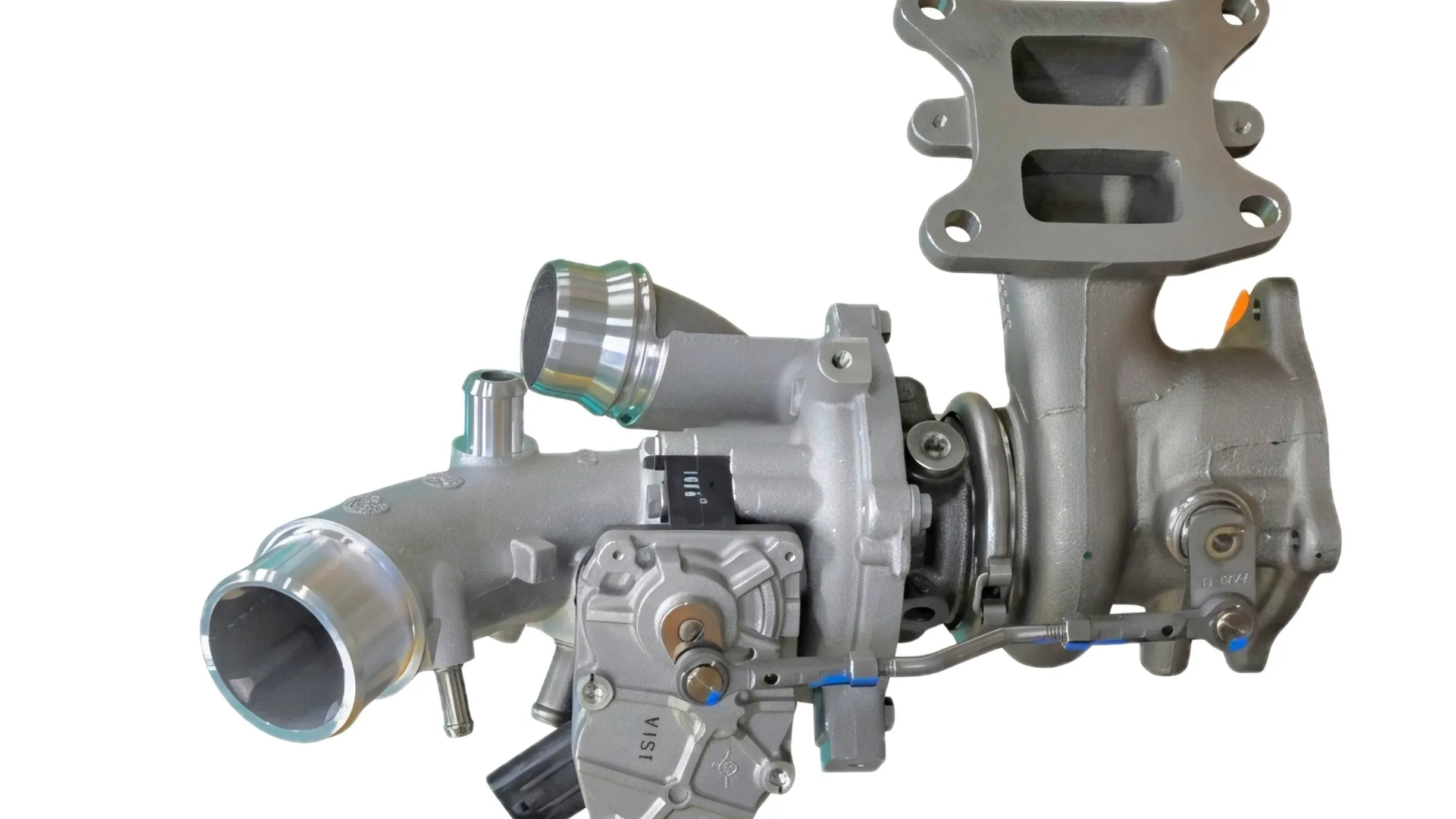
BorgWarner has secured three new turbocharger contracts with a global powertrain technology company. The wins comprise one contract for its variable turbine geometry (VTG) turbocharger and two for its wastegate turbocharger. The technologies will be deployed in the customer's light-vehicle gasoline platforms in South America and Europe, with production scheduled to begin in 2027.The VTG turbochargers are designed for gasoline engines operating under demanding conditions and high-boost pressure requirements. They are engineered to support Miller-cycle engines and withstand exhaust temperatures ..

Next Story
Infrastructure Transport

International Digi Yatra Trials Begin at Seven Airports

India has begun trials of Digi Yatra for international passengers at seven airports, allowing eligible Indian passport holders to use facial recognition at selected airport checkpoints. The facility is currently limited to Indian nationals with e-passports travelling on selected international flights operated by Air India and IndiGo. The Civil Aviation Ministry announced the trials on 1 November, with testing scheduled through December 2026. A wider rollout is expected in 2027 after the ministry assesses passenger feedback gathered during the trial period, according to PTI. The system is inten..

Advertisement

Subscribe to Our Newsletter

Get daily newsletters around different themes from Construction world.

STAY CONNECTED

Advertisement

SPECIAL OFFER
QR Code