Govt issues new guidelines for Safer Highways with enhanced Signages
ROADS & HIGHWAYS

Govt issues new guidelines for Safer Highways with enhanced Signages

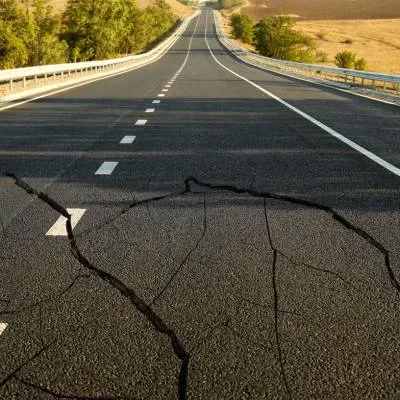
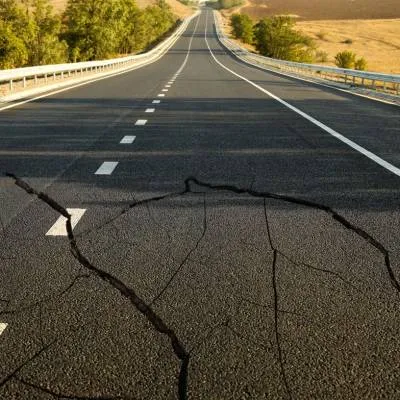
The government has issued new guidelines for signages on expressways and national highways to enhance commuter safety. Approved by Union Minister for Road Transport and Highways, Nitin Gadkari, these guidelines aim to improve road safety by incorporating best practices and global standards. The Ministry of Road, Transport and Highways (MoRTH) stated that the focus is on providing better visibility and intuitive guidance to drivers.

MoRTH reviewed the provision of signages based on relevant Indian Road Congress (IRC) codes and guidelines, along with international practices and functional perspectives to ensure better compliance with traffic regulations.

The guidelines aim to offer clear and concise guidance, warnings, notices, and regulatory information to drivers, facilitating a seamless and safe journey. They prioritise enhanced visibility through proper placement, appropriate height/distance, large lettering, symbols, and short legends for quick comprehension, even in adverse conditions.

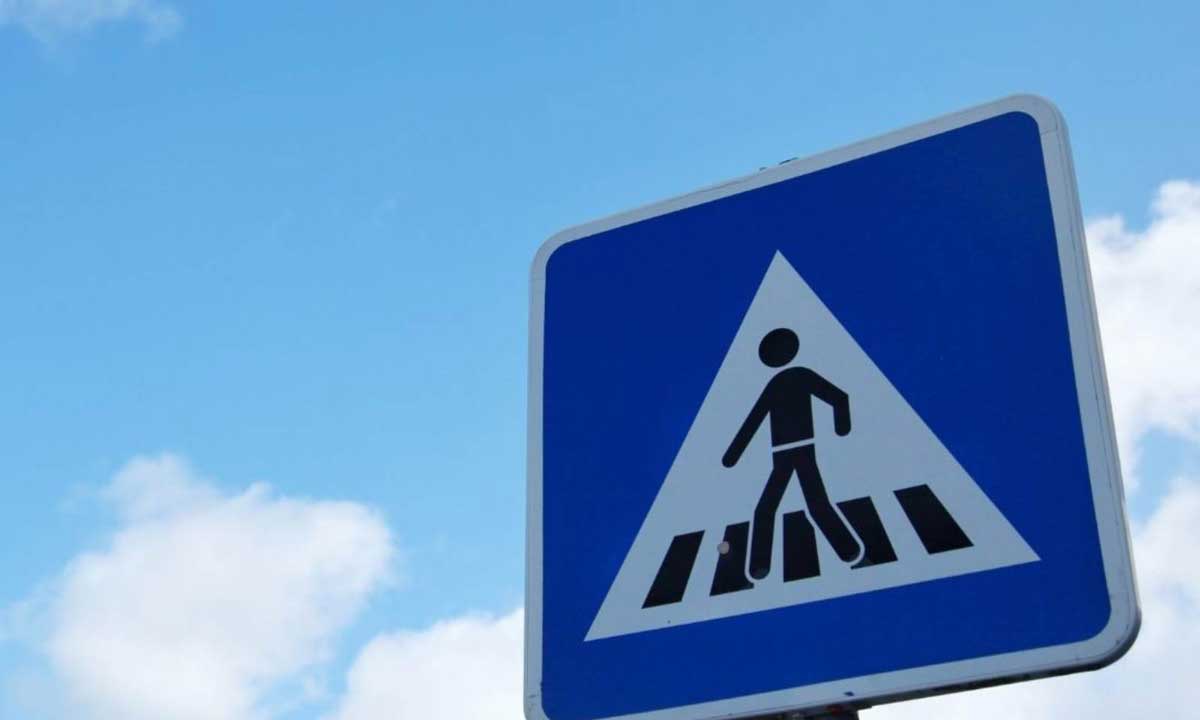
To cater to diverse road users, including those with limited literacy, pictorial representations will be accompanied by text to convey essential messages effectively. A multilingual approach will be employed, using both English and regional languages for effective communication with road users.

Special attention has been given to promoting better lane discipline, strategically positioning signages to provide clear and intuitive guidance, encouraging adherence to designated lanes, and minimising traffic congestion.

Initially, these guidelines will be implemented on all upcoming highways, expressways, and greenfield corridors. Highways experiencing high traffic volume will be given priority, especially those with more than 20,000 passenger car units.

By adopting best practices and global standards, the MoRTH aims to provide a safe and efficient travel experience for all, further advancing towards accident-free roads. 

The government has issued new guidelines for signages on expressways and national highways to enhance commuter safety. Approved by Union Minister for Road Transport and Highways, Nitin Gadkari, these guidelines aim to improve road safety by incorporating best practices and global standards. The Ministry of Road, Transport and Highways (MoRTH) stated that the focus is on providing better visibility and intuitive guidance to drivers.MoRTH reviewed the provision of signages based on relevant Indian Road Congress (IRC) codes and guidelines, along with international practices and functional perspectives to ensure better compliance with traffic regulations.The guidelines aim to offer clear and concise guidance, warnings, notices, and regulatory information to drivers, facilitating a seamless and safe journey. They prioritise enhanced visibility through proper placement, appropriate height/distance, large lettering, symbols, and short legends for quick comprehension, even in adverse conditions.To cater to diverse road users, including those with limited literacy, pictorial representations will be accompanied by text to convey essential messages effectively. A multilingual approach will be employed, using both English and regional languages for effective communication with road users.Special attention has been given to promoting better lane discipline, strategically positioning signages to provide clear and intuitive guidance, encouraging adherence to designated lanes, and minimising traffic congestion.Initially, these guidelines will be implemented on all upcoming highways, expressways, and greenfield corridors. Highways experiencing high traffic volume will be given priority, especially those with more than 20,000 passenger car units.By adopting best practices and global standards, the MoRTH aims to provide a safe and efficient travel experience for all, further advancing towards accident-free roads. 

Related Stories

Gold Stories
Next Story
Resources

Schindler named among Forbes’ World’s Best Employers 2026

Schindler has been named among Forbes’ World’s Best Employers 2026, a global ranking recognising companies for their workplace environments.Compiled by Forbes in partnership with Statista, the ranking is based on independent employee feedback, including whether employees would recommend their organisation to friends and family.The company said the recognition reflected its focus on creating a workplace where employees can develop their expertise and build careers. ..

Next Story
Infrastructure Urban

India needs an export-execution mindset: Vishesh Jain

Interview with Vishesh Jain, Founder & CEO, EximpleWhat gaps in India’s global trade ecosystem led you to build Eximple, and what problem did you see businesses struggling with most?Eximple came out of a problem that all three founders had seen from different choke points in the trade ecosystem. India has millions of MSMEs and manufacturers, and many of them can make products that are genuinely competitive on quality. Yet only a small fraction is able to build meaningful international businesses. In our experience, the gap is usually not manufacturing capability; it is the ability to exe..

Next Story
Building Material

Nuvoco reports 13.5% revenue growth in Q2 FY27

Nuvoco Vistas Corp. Ltd. reported consolidated revenue of Rs 27.9 billion for Q2 FY27, up 13.5% year on year. Cement sales volume rose 9% to 4.7 million tonnes (MMT), while EBITDA increased 11% to Rs 4.11 billion.The company said it began its cement operations in 2014 with a 2.3 MMT per annum (MMTPA) operation at Nimbol. It now aims to reach 35 MMTPA of cement capacity by FY28, nearly 15 times its initial capacity. Its portfolio spans cement, ready-mix concrete and modern building materials.On sustainability and cost efficiency, Nuvoco partnered with CleanMax for a 46.4 MW wind-solar hybrid re..

Advertisement

Subscribe to Our Newsletter

Get daily newsletters around different themes from Construction world.

STAY CONNECTED

Advertisement

SPECIAL OFFER
QR Code