Greater Chennai Corporation constructs Steel Flyover in T Nagar
ROADS & HIGHWAYS

Greater Chennai Corporation constructs Steel Flyover in T Nagar

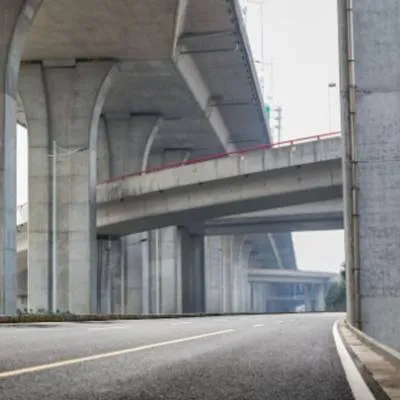
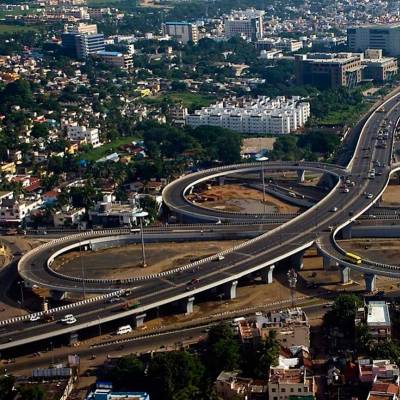
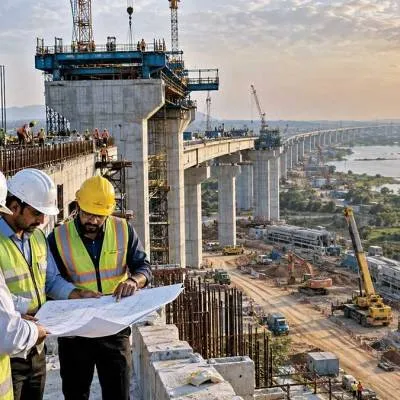
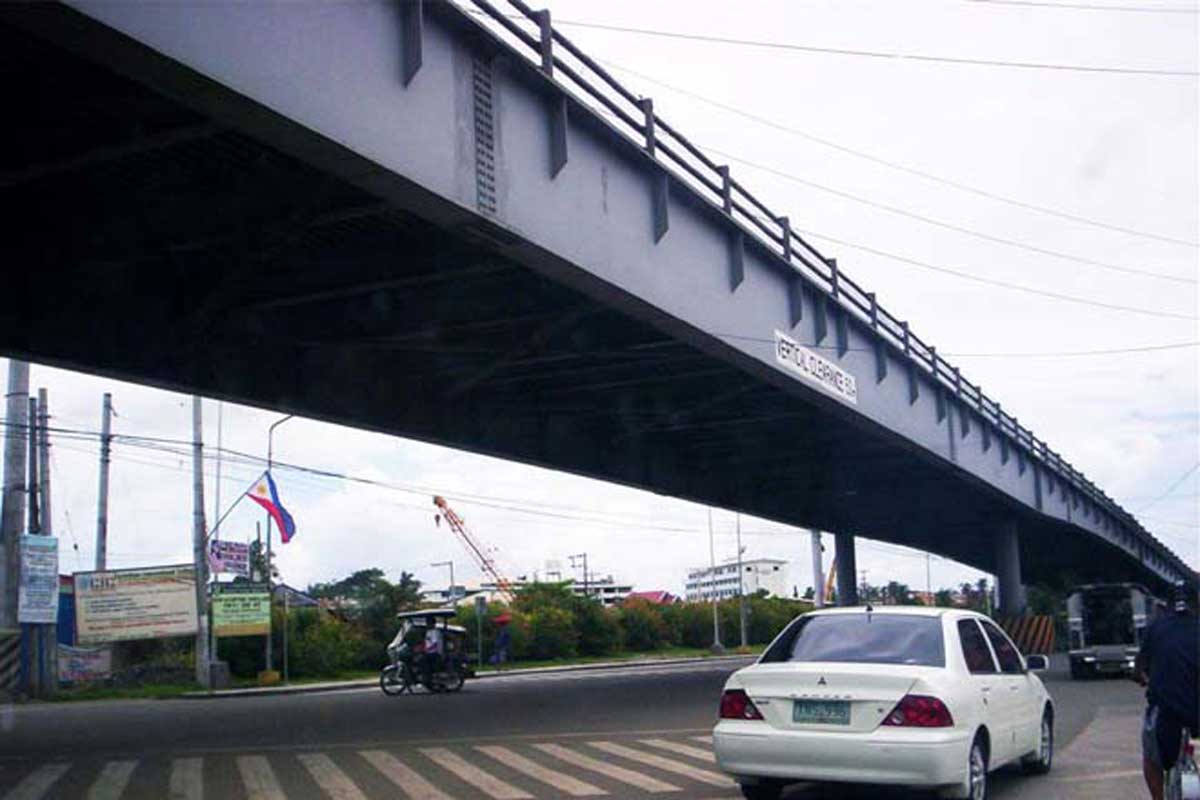
In order to expedite the construction process, the Greater Chennai Corporation is currently erecting a steel flyover in T Nagar on the heavily congested South Usman Road. According to officials, this will be the second fully steel bridge in the state, with the first one located in Marthandam, Kanyakumari district.

S Rajendiran, the chief engineer (general) of the Corporation, explained that the concrete pile and pile cap are situated underground, while the pier, pier cap, and deck girders, made of high tensile steel, are manufactured in Trichy and transported to the site. Placing these components takes only a few hours. On top of the girders, a steel deck sheet is installed, followed by a 20-cm thick concrete slab and a bitumen road.

The flyover spans 1.2 kilometers and connects Anna Salai and T Nagar via CIT Nagar. The project is estimated to cost 13.1 billlion. Once completed, it will be connected to the existing concrete North Usman Road flyover, allowing commuters traveling from Anna Salai to cross Panagal Park in less than five minutes.

The steel flyover stands at a height of 6.5 meters, with underground support reaching approximately 30 meters deep. Rajendiran mentioned that there are exit and entry ramps near Ranganathan Street for vehicles coming from T Nagar and shoppers. Unlike concrete bridges where expansion joints are typically 20 meters apart, in this steel flyover they are spaced 75 meters apart, resulting in smoother rides for vehicles. The two-lane flyover will consist of 53 steel piers and three 8.5-meter-wide girders.

A professor of structural engineering from IIT-M, who is collaborating with the Greater Chennai Corporation on the project, highlighted the use of high-quality steel for the bridge, which is expected to have a lifespan of around 50 years. The decision to use steel was made to minimise construction time, given the congested nature of the T Nagar area. Barricading all the spots for an extended period would not be feasible.

Rajendiran mentioned that static and dynamic testing was conducted, including static load and moving load tests. "We applied a weight that was 2.5 times more than the prescribed amount for additional safety," he added.

G Sameeran, the Deputy Commissioner (Works), stated that the initial deadline for completion was set at 24 months. However, thanks to the implementation of steel structures, the project is expected to be finished in less than 20 months, by late 2024. 

In order to expedite the construction process, the Greater Chennai Corporation is currently erecting a steel flyover in T Nagar on the heavily congested South Usman Road. According to officials, this will be the second fully steel bridge in the state, with the first one located in Marthandam, Kanyakumari district.S Rajendiran, the chief engineer (general) of the Corporation, explained that the concrete pile and pile cap are situated underground, while the pier, pier cap, and deck girders, made of high tensile steel, are manufactured in Trichy and transported to the site. Placing these components takes only a few hours. On top of the girders, a steel deck sheet is installed, followed by a 20-cm thick concrete slab and a bitumen road.The flyover spans 1.2 kilometers and connects Anna Salai and T Nagar via CIT Nagar. The project is estimated to cost 13.1 billlion. Once completed, it will be connected to the existing concrete North Usman Road flyover, allowing commuters traveling from Anna Salai to cross Panagal Park in less than five minutes.The steel flyover stands at a height of 6.5 meters, with underground support reaching approximately 30 meters deep. Rajendiran mentioned that there are exit and entry ramps near Ranganathan Street for vehicles coming from T Nagar and shoppers. Unlike concrete bridges where expansion joints are typically 20 meters apart, in this steel flyover they are spaced 75 meters apart, resulting in smoother rides for vehicles. The two-lane flyover will consist of 53 steel piers and three 8.5-meter-wide girders.A professor of structural engineering from IIT-M, who is collaborating with the Greater Chennai Corporation on the project, highlighted the use of high-quality steel for the bridge, which is expected to have a lifespan of around 50 years. The decision to use steel was made to minimise construction time, given the congested nature of the T Nagar area. Barricading all the spots for an extended period would not be feasible.Rajendiran mentioned that static and dynamic testing was conducted, including static load and moving load tests. We applied a weight that was 2.5 times more than the prescribed amount for additional safety, he added.G Sameeran, the Deputy Commissioner (Works), stated that the initial deadline for completion was set at 24 months. However, thanks to the implementation of steel structures, the project is expected to be finished in less than 20 months, by late 2024. 

Next Story
Infrastructure Urban

TBO Tek Q2 Profit Climbs 12%, Revenue Surges 26% YoY

TBO Tek Limited one of the world’s largest travel distribution platforms, reported a solid performance for Q2 FY26 with a 26 per cent year-on-year increase in revenue to Rs 5.68 billion, reflecting broad-based growth and improving profitability.The company recorded a Gross Transaction Value (GTV) of Rs 8,901 crore, up 12 per cent YoY, driven by strong performance across Europe, MEA, and APAC regions. Adjusted EBITDA before acquisition-related costs stood at Rs 1.04 billion, up 16 per cent YoY, translating into an 18.32 per cent margin compared to 16.56 per cent in Q1 FY26. Profit after tax r..

Next Story
Infrastructure Energy

Northern Graphite, Rain Carbon Secure R&D Grant for Greener Battery Materials

Northern Graphite Corporation and Rain Carbon Canada Inc, a subsidiary of Rain Carbon Inc, have jointly received up to C$860,000 (€530,000) in funding under the Canada–Germany Collaborative Industrial Research and Development Programme to develop sustainable battery anode materials.The two-year, C$2.2 million project aims to transform natural graphite processing by-products into high-performance, battery-grade anode material (BAM). Supported by the National Research Council of Canada Industrial Research Assistance Programme (NRC IRAP) and Germany’s Federal Ministry for Economic Affairs a..

Next Story
Infrastructure Urban

Antony Waste Q2 Revenue Jumps 16%; Subsidiary Wins Rs 3,200 Cr WtE Projects

Antony Waste Handling Cell Limited (AWHCL), a leading player in India’s municipal solid waste management sector, announced a 16 per cent year-on-year increase in total operating revenue to Rs 2.33 billion for Q2 FY26. The growth was driven by higher waste volumes, escalated contracts, and strong operational execution.EBITDA rose 18 per cent to Rs 570 million, with margins steady at 21.6 per cent, while profit after tax stood at Rs 173 million, up 13 per cent YoY. Revenue from Municipal Solid Waste Collection and Transportation (MSW C&T) reached Rs 1.605 billion, and MSW Processing re..

Advertisement

Subscribe to Our Newsletter

Get daily newsletters around different themes from Construction world.

STAY CONNECTED

Advertisement

Advertisement

Advertisement

Get CW App