GST Road Among Stretches Proposed as Mobility Corridors
ROADS & HIGHWAYS

GST Road Among Stretches Proposed as Mobility Corridors

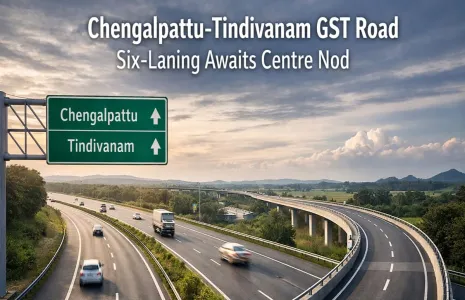
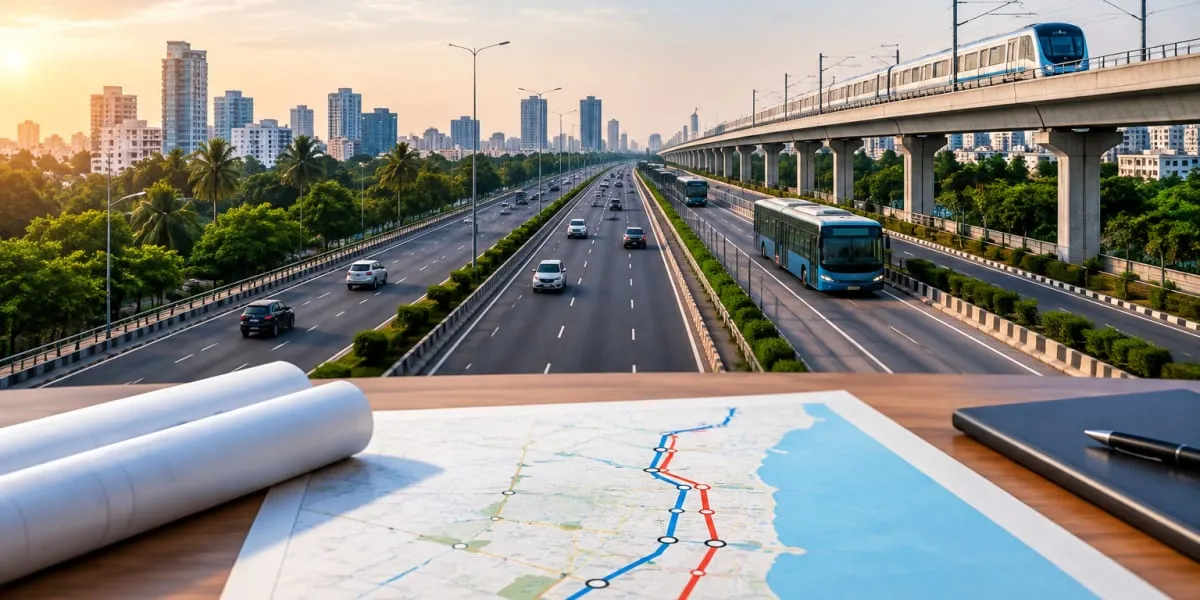
The Chennai Unified Metropolitan Transport Authority (CUMTA) has proposed developing the Grand Southern Trunk Road and Velachery-Tambaram Road as Model Urban Mobility Corridors under the second phase of its programme. The authority plans to prepare detailed project reports (DPRs) for the proposed stretches, with tenders expected to be invited this week.

Under Phase 1, CUMTA has identified 25 km of Old Mahabalipuram Road (OMR), from Madhya Kailash to Kelambakkam, and 7.4 km of Pallavaram-Thoraipakkam Road, from Pallavaram Bridge to Thoraipakkam junction. The DPR tender for the two roads is being issued again after the earlier bid was cancelled because of technical issues. A pre-bid meeting for the fresh tender was held on Tuesday.

The Phase-2 proposal also includes Taramani Link Road and the Marmalange Bridge-Wallajah Road. CUMTA said the final length of roads to be covered in this phase would be known after the tender was floated. The proposed corridors are intended to connect railway stations, MRTS stations, metro stations, bus terminals and bus stands, with the aim of improving last-mile connectivity and integration between transport modes.

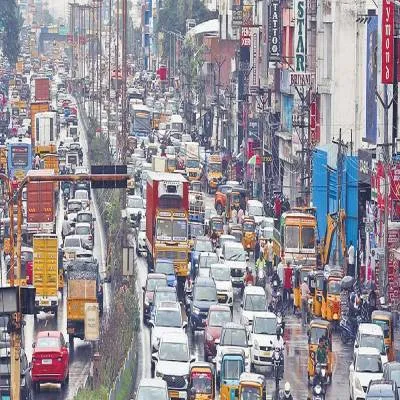
The DPRs will examine measures to promote walking and cycling, discourage private vehicle use, reduce idling at intersections and ease congestion. They will also address annual per capita greenhouse gas emissions from transport, while incorporating road safety measures and urban development alongside the road network.

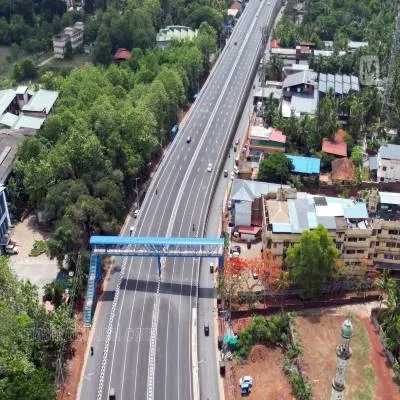
Planned improvements include uniform carriageways, green medians, dedicated service lanes, upgraded culverts and bridges, grade separators, pedestrian facilities, traffic-calming measures, green corridors, designated bus bays and stops, parking areas and cycling infrastructure. Public spaces beneath flyovers and grade separators, above subways and around roads integrated with parks will also be upgraded.

CUMTA will prepare the DPRs, while the state highways department will implement the projects. Work on OMR and the radial road will begin after metro rail construction is completed, as carrying out upgrades earlier could result in damage to the improvements. The model corridor works are expected to take around two years.

The Chennai Unified Metropolitan Transport Authority (CUMTA) has proposed developing the Grand Southern Trunk Road and Velachery-Tambaram Road as Model Urban Mobility Corridors under the second phase of its programme. The authority plans to prepare detailed project reports (DPRs) for the proposed stretches, with tenders expected to be invited this week. Under Phase 1, CUMTA has identified 25 km of Old Mahabalipuram Road (OMR), from Madhya Kailash to Kelambakkam, and 7.4 km of Pallavaram-Thoraipakkam Road, from Pallavaram Bridge to Thoraipakkam junction. The DPR tender for the two roads is being issued again after the earlier bid was cancelled because of technical issues. A pre-bid meeting for the fresh tender was held on Tuesday. The Phase-2 proposal also includes Taramani Link Road and the Marmalange Bridge-Wallajah Road. CUMTA said the final length of roads to be covered in this phase would be known after the tender was floated. The proposed corridors are intended to connect railway stations, MRTS stations, metro stations, bus terminals and bus stands, with the aim of improving last-mile connectivity and integration between transport modes. The DPRs will examine measures to promote walking and cycling, discourage private vehicle use, reduce idling at intersections and ease congestion. They will also address annual per capita greenhouse gas emissions from transport, while incorporating road safety measures and urban development alongside the road network. Planned improvements include uniform carriageways, green medians, dedicated service lanes, upgraded culverts and bridges, grade separators, pedestrian facilities, traffic-calming measures, green corridors, designated bus bays and stops, parking areas and cycling infrastructure. Public spaces beneath flyovers and grade separators, above subways and around roads integrated with parks will also be upgraded. CUMTA will prepare the DPRs, while the state highways department will implement the projects. Work on OMR and the radial road will begin after metro rail construction is completed, as carrying out upgrades earlier could result in damage to the improvements. The model corridor works are expected to take around two years.

Related Stories

Gold Stories

Next Story
Equipment

Terex to Acquire Keestrack, Expanding Crushing Portfolio

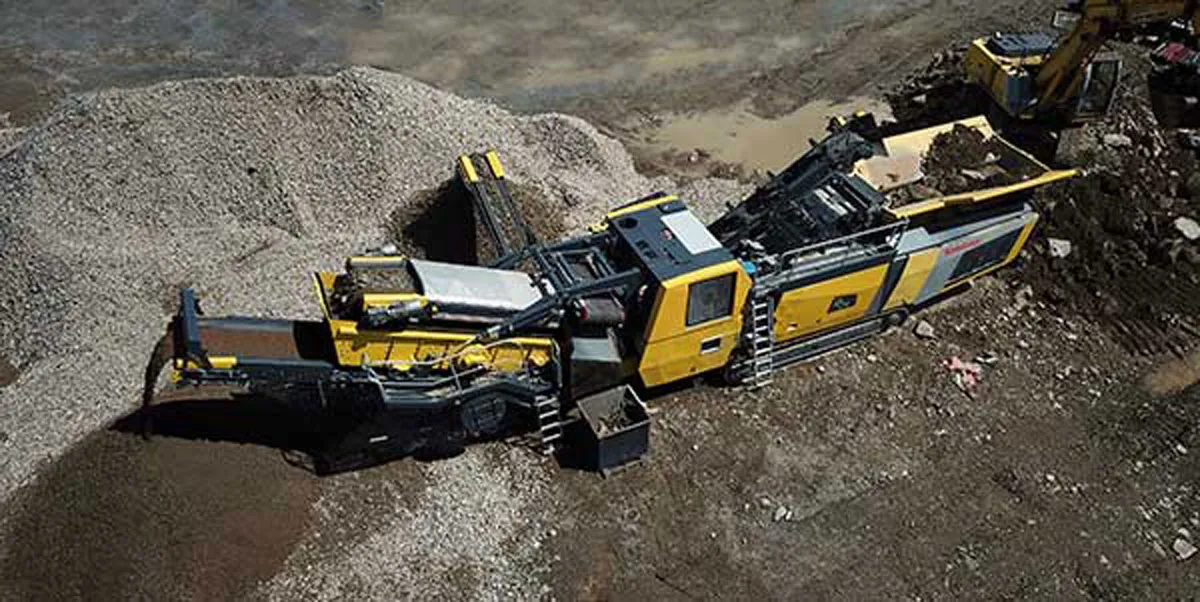
Terex Corporation has signed a definitive agreement to acquire Keestrack, a manufacturer of mobile crushing, screening and related equipment for the aggregates, recycling, construction and demolition industries. Financial terms were not disclosed.Founded in Belgium in 1988, Keestrack serves customers in more than 65 countries through a network of over 70 distributors. The acquisition will expand Terex Materials Processing’s crushing and screening portfolio and add manufacturing and distribution capabilities.After completion, Keestrack will continue as an independent brand within the Terex Ma..
Next Story
Infrastructure Energy

IES Taskforce Reviews Final Report on Power-Sector Digital Platform

The India Energy Stack (IES) Taskforce has reviewed its Final Report in New Delhi. The document sets out a strategy, architecture, governance framework and pathway to scale IES as digital public infrastructure for India’s power sector. The Ministry of Power constituted the Taskforce in June 2025.The report was presented by Prince Dhawan, Executive Director, REC Limited, and Swetha Ravi Kumar, Executive Director, FSR Global. Dr Ram Sewak Sharma, Chairperson of the Taskforce, outlined the way forward.IES is a common set of open standards and protocols designed to let utilities, regulators, mar..
Next Story
Infrastructure Urban

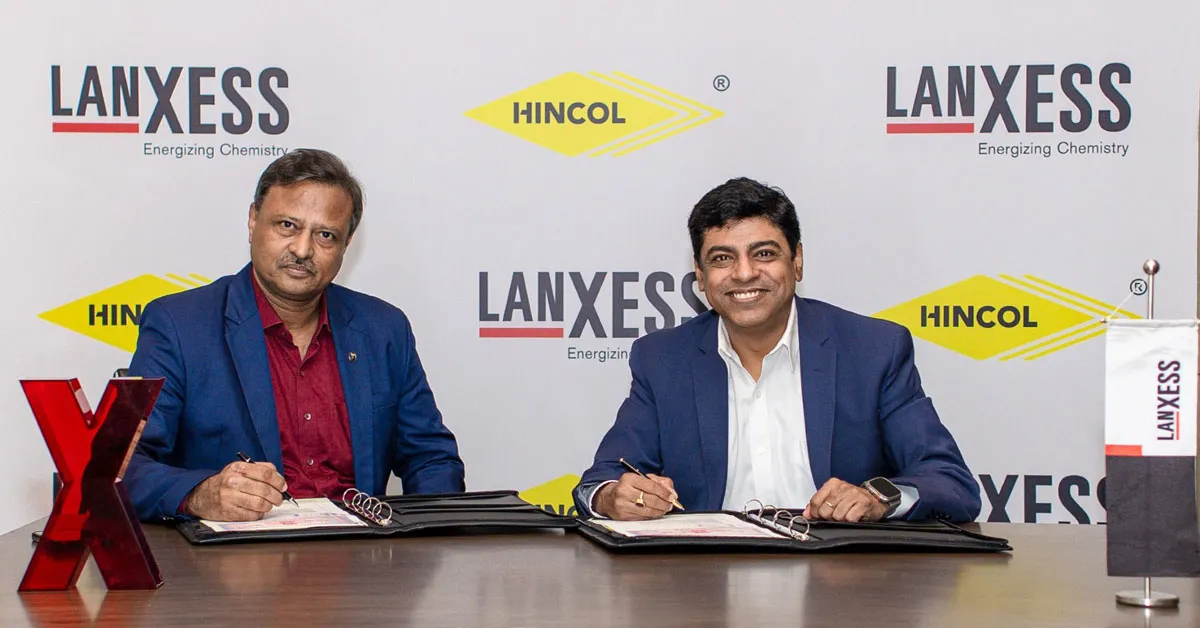
LANXESS, HINCOL Partner on Road Construction Technologies

LANXESS India and Hindustan Colas Private Limited (HINCOL) have signed a Memorandum of Understanding to assess technical and commercial opportunities in bitumen and asphalt modification for India’s infrastructure market.The companies will conduct laboratory and commercial-scale evaluations of Addipave CR 36, LANXESS’ cross-linking technology for polymer-modified bitumen (PMB). LANXESS will provide the product, technical expertise and trial support, while HINCOL will contribute testing facilities, operational support and performance assessments under local conditions. The trials will examin..

Advertisement

Subscribe to Our Newsletter

Get daily newsletters around different themes from Construction world.

STAY CONNECTED

Advertisement

SPECIAL OFFER
QR Code