

HRIDC launches $10.88 bn twin tunnel project
ROADS & HIGHWAYS

HRIDC launches $10.88 bn twin tunnel project

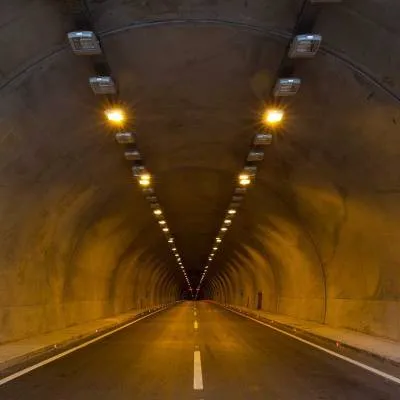
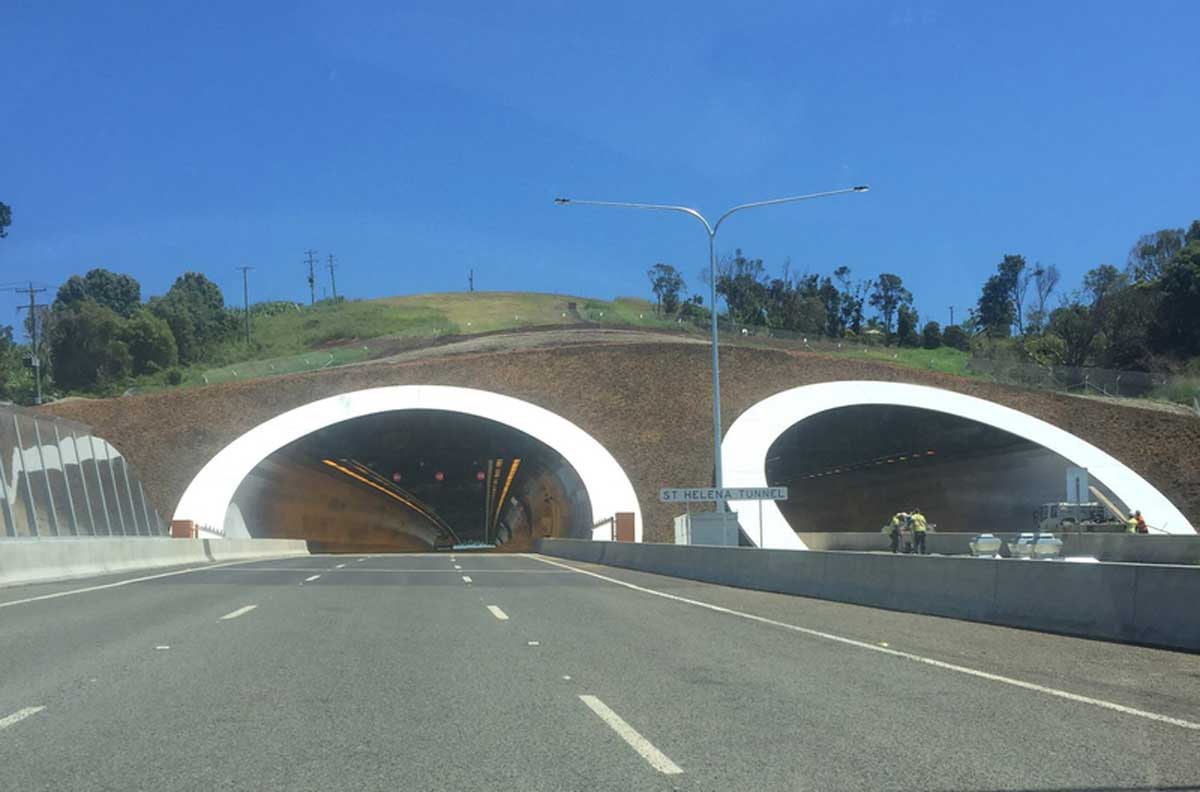
Haryana Rail Infrastructure Development Corporation (HRIDC) is poised to embark on a remarkable venture, the HORC Twin Tunnel project, revolutionising rail connectivity. With a cost projection of $10.88 bn, this pioneering engineering endeavour encompasses two 4.7 km twin tunnels aimed at bridging the gap between IMT Sohna and Dhulawat stations.

The project's innovation lies in its conquest of the formidable Aravalli Range, scaling an 80 m high vertical cliff. Sanjeev Kaushal, Haryana Chief Secretary and HRIDC Chairman, lauded the project's transformative impact during the 25th Board Meeting. He highlighted the use of advanced technologies, including the New Austrian Tunneling Method (NATM), renowned for its efficacy in challenging terrains. The tunnels themselves will incorporate high-rise Overhead Electrification (OHE) and Ballastless Track (BLT) systems to ensure optimal performance and endurance.

Kaushal further emphasised that the Railway Board is initiating surveys for significant railway projects. The Karnal-Yamuna Nagar New Rail Line, spanning 63.14 km, aims to amplify regional connectivity. Doubling the Garhi Harsaru-Farukhnagar rail route, an 11.27 km endeavour, will augment rail capacity and streamline transportation. Additionally, the board is considering a new double line connectivity between Farukhnagar and Jhajjar (24.73 km) to enhance rail traffic efficiency.

The ambitious Jhajjar-Charkhi Dadri-Loharu Jn. New Line, spanning 94 km, holds substantial potential for socio-economic growth. Furthermore, the construction of the Kurukshetra Elevated Track (5.8 km) is progressing rapidly, aimed at easing congestion and improving rail infrastructure.

Kaushal highlighted that the Asian Infrastructure Investment Bank (AIIB) sanctioned a $10.4 bn loan for ongoing HORC Part A projects, a significant step towards securing financial resources. He emphasised safe shifting of high-tension wires during construction and directed officers to ensure monitoring. The HRIDC's forward-looking initiatives mark a transformative phase for Haryana's rail network, promising enhanced connectivity and economic progress.

Haryana Rail Infrastructure Development Corporation (HRIDC) is poised to embark on a remarkable venture, the HORC Twin Tunnel project, revolutionising rail connectivity. With a cost projection of $10.88 bn, this pioneering engineering endeavour encompasses two 4.7 km twin tunnels aimed at bridging the gap between IMT Sohna and Dhulawat stations.The project's innovation lies in its conquest of the formidable Aravalli Range, scaling an 80 m high vertical cliff. Sanjeev Kaushal, Haryana Chief Secretary and HRIDC Chairman, lauded the project's transformative impact during the 25th Board Meeting. He highlighted the use of advanced technologies, including the New Austrian Tunneling Method (NATM), renowned for its efficacy in challenging terrains. The tunnels themselves will incorporate high-rise Overhead Electrification (OHE) and Ballastless Track (BLT) systems to ensure optimal performance and endurance.Kaushal further emphasised that the Railway Board is initiating surveys for significant railway projects. The Karnal-Yamuna Nagar New Rail Line, spanning 63.14 km, aims to amplify regional connectivity. Doubling the Garhi Harsaru-Farukhnagar rail route, an 11.27 km endeavour, will augment rail capacity and streamline transportation. Additionally, the board is considering a new double line connectivity between Farukhnagar and Jhajjar (24.73 km) to enhance rail traffic efficiency.The ambitious Jhajjar-Charkhi Dadri-Loharu Jn. New Line, spanning 94 km, holds substantial potential for socio-economic growth. Furthermore, the construction of the Kurukshetra Elevated Track (5.8 km) is progressing rapidly, aimed at easing congestion and improving rail infrastructure.Kaushal highlighted that the Asian Infrastructure Investment Bank (AIIB) sanctioned a $10.4 bn loan for ongoing HORC Part A projects, a significant step towards securing financial resources. He emphasised safe shifting of high-tension wires during construction and directed officers to ensure monitoring. The HRIDC's forward-looking initiatives mark a transformative phase for Haryana's rail network, promising enhanced connectivity and economic progress.

Next Story
Infrastructure Urban

Implementation Status of Jal Jeevan Mission

Since August 2019 the Government has implemented Jal Jeevan Mission to provide assured potable water through household tap connections in rural India. At the start of the mission only 32.3 million (mn) rural households, representing 16.7 per cent, were reported to have tap water connections. States and union territories have reported that 125.8 mn additional rural households have since been provided with tap connections. As a result, of about 193.6 mn rural households roughly 158.2 mn, or 81.71 per cent, are reported to have tap water supply at home.\n\nThe State, district and village level st..

Next Story
Infrastructure Urban

Jal Jeevan Mission Reaches Eighty One Per Cent Rural Coverage

The Government reported substantial progress under the Jal Jeevan Mission, launched in August 2019 to provide tap water to every rural household. At launch only 32.3 million (mn) rural households had tap connections and states and Union territories reported provision of 125.8 mn additional households by March 2026. Consequently, out of about 193.6 mn rural households around 158.2 mn, or 81.71 per cent, are reported to have tap water at home. The Finance Minister announced extension of the mission until 2028 in the 2025-26 budget speech. The Swachh Bharat Mission Grameen, launched in October 20..

Next Story
Infrastructure Urban

Empowering Local Governance for Sustainable Rural Water Supply

The Ministry of Jal Shakti has aligned the Jal Jeevan Mission (JJM) with the 73rd Amendment to strengthen village level planning and community ownership of water supply. Gram Panchayats, village water and sanitation committees and Pani Samitis are to plan, implement, manage and maintain piped water systems, with gram sabha processes formalising handover and oversight. Implementation support agencies including non government organisations, community based organisations and self help groups have been empanelled to train local committees and promote women participation. Under JJM, the department ..

Advertisement

Subscribe to Our Newsletter

Get daily newsletters around different themes from Construction world.

STAY CONNECTED

Advertisement

Advertisement

Advertisement