+
Mumbai-Pune expressway to have world's widest tunnels
ROADS & HIGHWAYS

Mumbai-Pune expressway to have world's widest tunnels

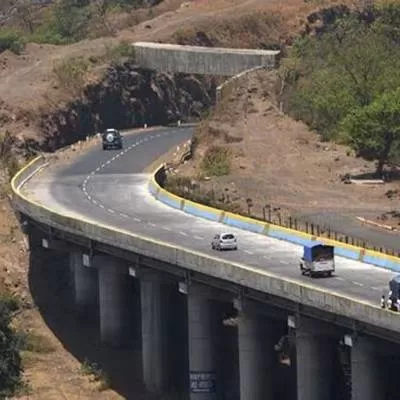
After its inauguration two decades ago, India's first Expressway is set to become even more seamless for lakhs of motorists traveling between Mumbai and Pune. The much-awaited Missing Link, which will make the Expressway bypass the winding and dangerous ghat section, is nearing completion and is scheduled to be unveiled by July 2024. About 85% of the Expressway's current traffic is projected to use the new route.

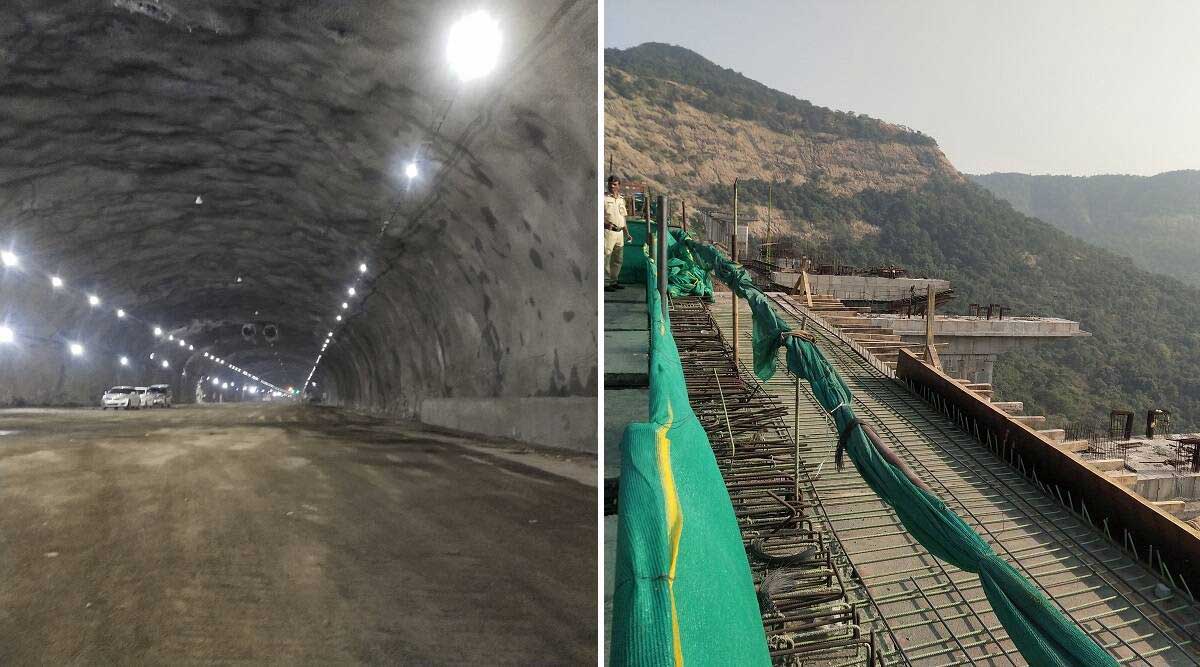
The Rs 6,695-crore project, undertaken by the Maharashtra State Road Development Corporation (MSRDC), boasts of several records, including the world's widest twin tunnels, spanning 47 m over 10 lanes, a fact recognized by Guinness World Records. The daylighting process for the tunnels, in two stretches of 8.9km and 1.7km, has been completed. The remaining task involves bridging the 650-metre gap between them with the country's tallest cable-stayed road link, being constructed in the scenic Tiger Valley of the weekend getaway Lonavala. The construction of pylons, with an average height of 132 metres, and a maximum height of 182 metres, and connecting pillars for the bridge are in their final stages, said Rahul Vasaikar, the project's superintending engineer.

The 12.1km Missing Link project aims to bypass the expressway's 19km Khandala ghat section, reducing the distance between Mumbai and Pune by over 6km and travel time by nearly 30 minutes. This reduction will result in significant fuel and carbon savings, as the ghat section burns fuel because of ascent and traffic congestion. Although the Expressway's toll structure will not change, motorists will have to pay it for 15 years beyond the existing toll contract period, which was scheduled to end in 2030.

After its inauguration two decades ago, India's first Expressway is set to become even more seamless for lakhs of motorists traveling between Mumbai and Pune. The much-awaited Missing Link, which will make the Expressway bypass the winding and dangerous ghat section, is nearing completion and is scheduled to be unveiled by July 2024. About 85% of the Expressway's current traffic is projected to use the new route.The Rs 6,695-crore project, undertaken by the Maharashtra State Road Development Corporation (MSRDC), boasts of several records, including the world's widest twin tunnels, spanning 47 m over 10 lanes, a fact recognized by Guinness World Records. The daylighting process for the tunnels, in two stretches of 8.9km and 1.7km, has been completed. The remaining task involves bridging the 650-metre gap between them with the country's tallest cable-stayed road link, being constructed in the scenic Tiger Valley of the weekend getaway Lonavala. The construction of pylons, with an average height of 132 metres, and a maximum height of 182 metres, and connecting pillars for the bridge are in their final stages, said Rahul Vasaikar, the project's superintending engineer.The 12.1km Missing Link project aims to bypass the expressway's 19km Khandala ghat section, reducing the distance between Mumbai and Pune by over 6km and travel time by nearly 30 minutes. This reduction will result in significant fuel and carbon savings, as the ghat section burns fuel because of ascent and traffic congestion. Although the Expressway's toll structure will not change, motorists will have to pay it for 15 years beyond the existing toll contract period, which was scheduled to end in 2030.

Next Story
Infrastructure Urban

ABB to Invest Rs 6.25 Billion to Expand India Manufacturing

ABB recently announced plans to invest approximately Rs 6.25 billion ($75 million) in India during 2026 to expand its manufacturing footprint and research and development capabilities. The investment follows more than $35 million spent in 2025 and reflects the company’s continued focus on strengthening its ‘local-for-local’ strategy in the country.The investment will support ABB’s Electrification, Motion and Automation businesses and expand manufacturing capacity for infrastructure sectors such as renewable energy, metro rail, data centres and industrial applications. Approximately 300..

Next Story
Equipment

Six WOLFF Cranes Handle 60,000 m³ Concrete for German Hospital

Six WOLFF tower cranes are playing a key role in constructing a new hospital complex in Memmingen, Germany, supporting large-scale material handling for the project. The facility is being built on a 7.7-hectare site and will feature six floors, around 480 beds and a gross floor area exceeding 75,000 sq m.Building shell works began recently in February 2025. One WOLFF 6531.12 Cross crane supported early site preparation before being dismantled in autumn 2025, while five remaining cranes continue operations. Over an average deployment period of 16 months, the cranes are expected to move approxim..

Next Story
Equipment

REC Funds Rs 115.6 Million CSR Support for Bihar Eye Hospital

REC recently committed Rs 115.6 million under its Corporate Social Responsibility (CSR) programme for the procurement of clinical and non-clinical equipment at Sankara Eye Hospital in Saharsa, Bihar. The initiative aims to strengthen healthcare infrastructure and improve access to specialised eye care services in the region.A Memorandum of Agreement (MoA) was recently signed between Pradeep Fellows, Executive Director (CSR), REC Limited, and Wg Cdr V. Shankar (Retd), Trustee and Executive Director of Sankara Eye Hospital, at the REC office in the SCOPE Complex, New Delhi.The support is expecte..

Advertisement

Subscribe to Our Newsletter

Get daily newsletters around different themes from Construction world.

STAY CONNECTED

Advertisement

Advertisement

Advertisement