

Mumbai-Pune Missing Link Nears Completion
ROADS & HIGHWAYS

Mumbai-Pune Missing Link Nears Completion

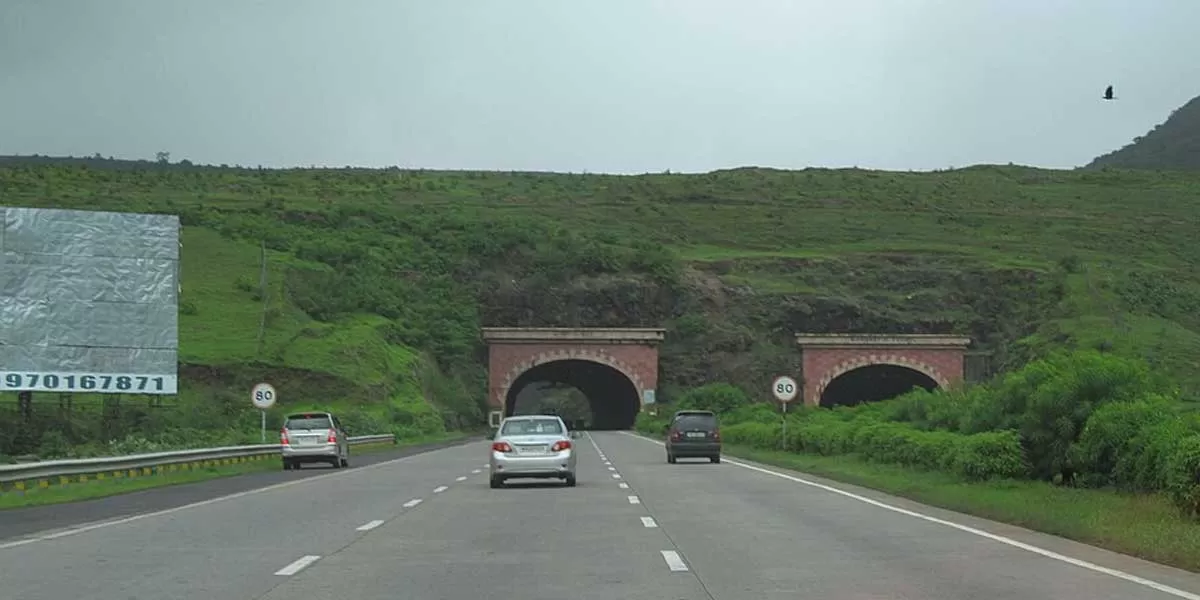
The long-awaited Missing Link on the Mumbai-Pune Expressway is now 96 per cent complete, with final handover expected by September 2025. Originally slated for completion in March 2024, the Rs 66 billion project promises to cut travel time between the two cities by 30 minutes and bypass the accident-prone Khandala and Lonavala ghat sections.

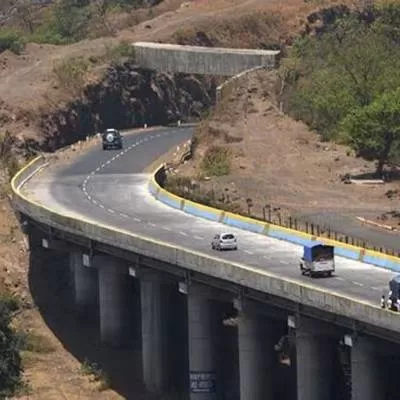
Executed by the Maharashtra State Road Development Corporation (MSRDC), the 5.7-km straight-line route connects the Khopoli exit to Sinhgad Institute, reducing the existing 19.8-km stretch. Featuring a mix of tunnels and viaducts, the project includes Asia’s widest twin tunnels—measuring 8.9 km and 1.75 km at 23.3 metres wide—and a 650-metre cable-stayed bridge soaring 180 metres above Khandala Valley.

While one viaduct has been completed, the second is still under construction and may face weather-related delays with the onset of monsoon. MSRDC officials attribute the repeated extensions to the project’s technical complexity, including tunnelling beneath Lonavala Lake and constructing in high-rainfall terrain.

Launched in March 2019, the Missing Link is expected to significantly reduce emissions, fuel use, and road accidents. It aligns with India’s climate goals by cutting idle time and promoting safer, sustainable urban transport infrastructure.


The long-awaited Missing Link on the Mumbai-Pune Expressway is now 96 per cent complete, with final handover expected by September 2025. Originally slated for completion in March 2024, the Rs 66 billion project promises to cut travel time between the two cities by 30 minutes and bypass the accident-prone Khandala and Lonavala ghat sections.Executed by the Maharashtra State Road Development Corporation (MSRDC), the 5.7-km straight-line route connects the Khopoli exit to Sinhgad Institute, reducing the existing 19.8-km stretch. Featuring a mix of tunnels and viaducts, the project includes Asia’s widest twin tunnels—measuring 8.9 km and 1.75 km at 23.3 metres wide—and a 650-metre cable-stayed bridge soaring 180 metres above Khandala Valley.While one viaduct has been completed, the second is still under construction and may face weather-related delays with the onset of monsoon. MSRDC officials attribute the repeated extensions to the project’s technical complexity, including tunnelling beneath Lonavala Lake and constructing in high-rainfall terrain.Launched in March 2019, the Missing Link is expected to significantly reduce emissions, fuel use, and road accidents. It aligns with India’s climate goals by cutting idle time and promoting safer, sustainable urban transport infrastructure.

Next Story
Infrastructure Urban

Mount Expands Tumkur Facility with New Automated Panel, PEB Lines

Mount Roofing & Structures Private Limited, one of India's fastest-growing manufacturers in PUF and a leading solutions provider across pre-engineered building (PEB) and polycarbonate sheets, simultaneously inaugurated its second fully automated continuous sandwich panel manufacturing line and a new PEB manufacturing plant at its integrated campus in Tumkur.The milestone expansion, part of a total investment of Rs 250 crore, marks a significant advancement in the company's commitment to engineered performance, manufacturing scale, and industrial growth. The integrated facility spans approx..

Next Story
Infrastructure Transport

India Becomes First to Produce Bio-Bitumen for Roads

India has become the first country in the world to commercially produce bio-bitumen for use in road construction, according to Road, Transport and Highways Minister Nitin Gadkari. Bitumen, a black and viscous hydrocarbon derived from crude oil, is a key binding material in road building, and the bio-based alternative is expected to significantly improve the sector’s environmental footprint.Addressing the CSIR Technology Transfer Ceremony in New Delhi, Mr Gadkari congratulated Council of Scientific and Industrial Research on achieving the milestone, noting that the initiative would help curb ..

Next Story
Infrastructure Urban

HILT Policy Seen Boosting Telangana Revenue Sharply

The Hyderabad Industrial Land Transformation (HILT) Policy is expected to generate around Rs 1.08 billion in revenue for the Telangana state exchequer, according to Deputy Chief Minister Bhatti Vikramarka Mallu. Speaking in the Telangana Legislative Assembly, he said the policy would be implemented within a six-month timeframe in a transparent manner, with uniform rules applicable to all stakeholders. Mr Vikramarka noted that without the HILT Policy, the state would have earned only about Rs 1.2 million per acre. Under the new framework, however, revenue is projected to rise sharply to Rs 70 ..

Advertisement

Subscribe to Our Newsletter

Get daily newsletters around different themes from Construction world.

STAY CONNECTED

Advertisement

Advertisement

Advertisement

Advertisement

Open In App