NDMC Plans Smart Irrigation to Cut Water Use by 70 Per Cent
ECONOMY & POLICY

NDMC Plans Smart Irrigation to Cut Water Use by 70 Per Cent

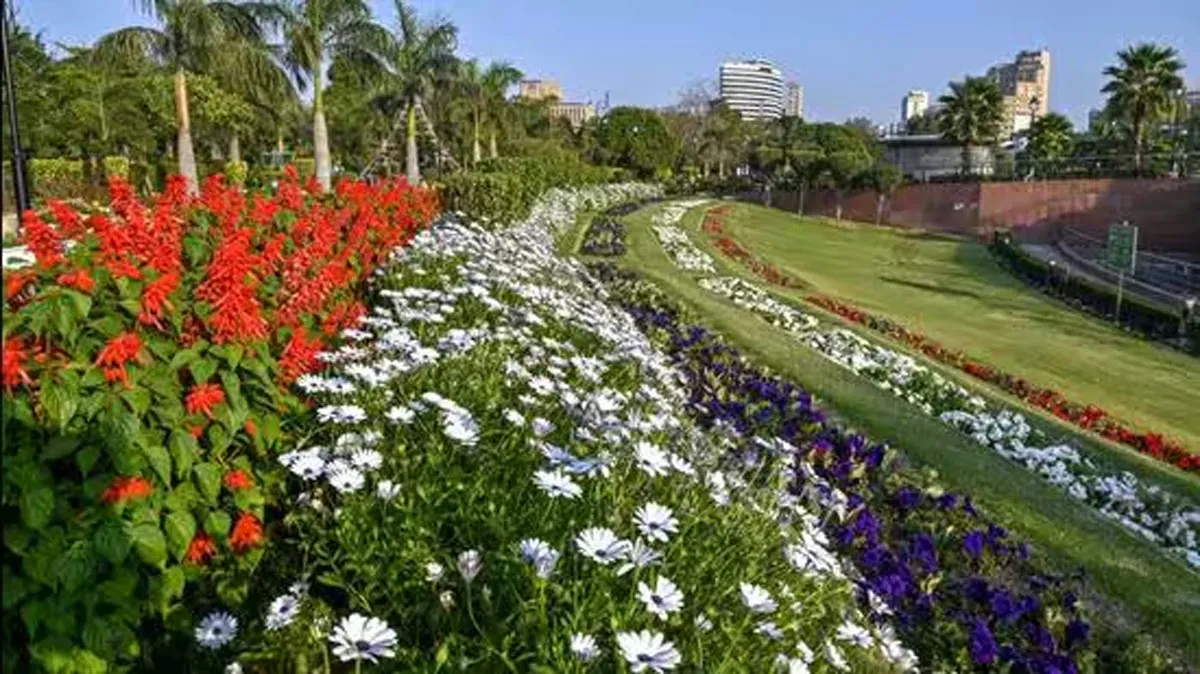
New Delhi Municipal Council (NDMC) has announced plans to develop a smart irrigation system to water greenery along 22 major avenue roads and five public gardens, a move expected to reduce water consumption by nearly 70 per cent.

Speaking at a press conference on Monday, NDMC vice-chairman Kuljeet Chahal said the project will be implemented in two phases. In the first phase, smart irrigation systems will be installed along 11 major roads spanning about 19.28 km, primarily for horticultural purposes. The second phase will extend the system to another 11 avenue roads and five major gardens.

Chahal said the initiative is expected to significantly reduce water usage and curb the movement of slow-moving water tankers on arterial roads, thereby easing traffic congestion. Tenders for the first phase have already been invited and are scheduled to be opened on January 27. The work is expected to be awarded before March 2026, with completion timelines ranging from six months to one year depending on road length.

The estimated cost of the first phase is around Rs 159.4 million. Roads identified under this phase include stretches near Nehru Park, Peshwa Road, Mandir Marg, R.K. Ashram Marg, Bhai Veer Singh Marg, Shanti Path, Panchsheel Marg, Ashoka Road, C-Hexagon, Aurobindo Marg and Akbar Road.

In the 2026–27 financial year, the project will be expanded to cover an additional 11 main roads and five gardens over a total length of about 9.61 km, at an estimated cost of Rs 160 million. Roads proposed under the second phase include Maharishi Raman Marg, Lodhi Estate Lanes, Max Muller Marg, Subramaniyam Bharti Marg, San Martin Marg, Jesus and Mary Road, Manas Marg, Madhulimya Marg, Satya Marg, Chandragupt Marg and Niti Marg.

Gardens to be covered under the project include Satya Sadan Park, Lodhi Garden, Talkatora Garden, Sanjay Lake Park and the Children’s Park at Madhulimya Marg.

Chahal added that 12 decentralised sewage treatment plants are currently operational within the NDMC area, supplying treated water for irrigation of parks and green spaces. The proposed mechanised irrigation systems will ensure water is applied strictly as per actual requirement and only at designated locations, promoting conservation and minimising wastage.

Separately, NDMC has proposed a Rs 570 million project for the construction, operation and maintenance of five new decentralised sewage treatment plants with a combined capacity of 2,250 kilolitres per day. These facilities are planned at locations including Bapu Dham Housing Complex, the nursery opposite INA Metro Station, the island at the Rajendra Prasad Road–Ashoka Road intersection, Bharti Nagar Sewerage Pumping Station and Nehru Park.

In addition, eight more decentralised sewage treatment plants are proposed under a public–private partnership model at sites such as the Rose Garden at Shanti Path, Kautilya Marg roundabout, Race Course Nursery behind Tamil Nadu Bhawan, Sanjay Lake Park, Lodhi Garden and Talkatora Garden. The total estimated investment for these projects stands at around Rs 1.50 billion.

New Delhi Municipal Council (NDMC) has announced plans to develop a smart irrigation system to water greenery along 22 major avenue roads and five public gardens, a move expected to reduce water consumption by nearly 70 per cent. Speaking at a press conference on Monday, NDMC vice-chairman Kuljeet Chahal said the project will be implemented in two phases. In the first phase, smart irrigation systems will be installed along 11 major roads spanning about 19.28 km, primarily for horticultural purposes. The second phase will extend the system to another 11 avenue roads and five major gardens. Chahal said the initiative is expected to significantly reduce water usage and curb the movement of slow-moving water tankers on arterial roads, thereby easing traffic congestion. Tenders for the first phase have already been invited and are scheduled to be opened on January 27. The work is expected to be awarded before March 2026, with completion timelines ranging from six months to one year depending on road length. The estimated cost of the first phase is around Rs 159.4 million. Roads identified under this phase include stretches near Nehru Park, Peshwa Road, Mandir Marg, R.K. Ashram Marg, Bhai Veer Singh Marg, Shanti Path, Panchsheel Marg, Ashoka Road, C-Hexagon, Aurobindo Marg and Akbar Road. In the 2026–27 financial year, the project will be expanded to cover an additional 11 main roads and five gardens over a total length of about 9.61 km, at an estimated cost of Rs 160 million. Roads proposed under the second phase include Maharishi Raman Marg, Lodhi Estate Lanes, Max Muller Marg, Subramaniyam Bharti Marg, San Martin Marg, Jesus and Mary Road, Manas Marg, Madhulimya Marg, Satya Marg, Chandragupt Marg and Niti Marg. Gardens to be covered under the project include Satya Sadan Park, Lodhi Garden, Talkatora Garden, Sanjay Lake Park and the Children’s Park at Madhulimya Marg. Chahal added that 12 decentralised sewage treatment plants are currently operational within the NDMC area, supplying treated water for irrigation of parks and green spaces. The proposed mechanised irrigation systems will ensure water is applied strictly as per actual requirement and only at designated locations, promoting conservation and minimising wastage. Separately, NDMC has proposed a Rs 570 million project for the construction, operation and maintenance of five new decentralised sewage treatment plants with a combined capacity of 2,250 kilolitres per day. These facilities are planned at locations including Bapu Dham Housing Complex, the nursery opposite INA Metro Station, the island at the Rajendra Prasad Road–Ashoka Road intersection, Bharti Nagar Sewerage Pumping Station and Nehru Park. In addition, eight more decentralised sewage treatment plants are proposed under a public–private partnership model at sites such as the Rose Garden at Shanti Path, Kautilya Marg roundabout, Race Course Nursery behind Tamil Nadu Bhawan, Sanjay Lake Park, Lodhi Garden and Talkatora Garden. The total estimated investment for these projects stands at around Rs 1.50 billion.

Next Story
Infrastructure Urban

Tanfac Industries Inks 7-year Fluorochemicals Supply Deal with Japan

Tanfac Industries has signed a long-term supply contract with a Japanese customer for the supply of fluorinated chemicals, strengthening its presence in the global specialty chemicals market and enhancing long-term revenue visibility.Under the agreement, the company will supply around 7,500 metric tonnes per annum of fluorinated chemicals, with an estimated contract value of Rs 3.37 billion per year. The total value of the contract is approximately Rs 23.62 billion over a seven-year period. The agreement is scheduled to come into effect from January 1, 2027, and is backed by committed volumes,..

Next Story
Infrastructure Urban

HGS Launches AMLens to Speed up AML Probes with Explainable AI

HGS, a leading provider of digital experience, business process management and digital media services, has launched AMLens, an AI-powered solution designed to accelerate and modernise Anti-Money Laundering (AML) investigations for financial institutions. Listed on both BSE and NSE, the company said AMLens enables faster, more accurate case resolution while helping banks meet increasingly stringent regulatory requirements.AMLens combines machine learning and Natural Language Processing (NLP) to address persistent industry challenges such as manual case handling, alert fatigue and fragmented dat..
Next Story
Infrastructure Urban

Kings Infra Charts ‘Way Forward’ Roadmap for Sustainable Value Growth

Kings Infra Ventures has outlined a refined strategic roadmap, titled “The Way Forward”, aimed at consolidating its market position and accelerating long-term value creation. Anchored in the vision of its Founder-Chairman and Managing Director, Late Shaji Baby John, the strategy focuses on financial consolidation, core business growth and unlocking institutional value from infrastructure and real estate assets.To drive effective execution, the company has adopted a decentralised corporate structure under which each business vertical functions as an independent profit centre. These vertical..

Advertisement

Subscribe to Our Newsletter

Get daily newsletters around different themes from Construction world.

STAY CONNECTED

Advertisement

Advertisement

Advertisement

Advertisement

Open In App