No more petrol, diesel vehicles in Bengal by 2030: minister
ROADS & HIGHWAYS

No more petrol, diesel vehicles in Bengal by 2030: minister

The transport system in West Bengal is set to undergo major changes, with stress on efficiency, non-pollution, safety and transparency. State Transport Minister Snehasis Chakraborty said that by 2030 smart vehicles will replace the petrol and diesel vehicles in the state.

The minister held a meeting with the district administration, police, and RTOs of eight districts in Siliguri this week. Later, the Minister said, "We have entered into an agreement with Tata Motors. They will be providing 1180 e-buses. The buses will be delivered and introduced in phases throughout the state in the next two to three years."

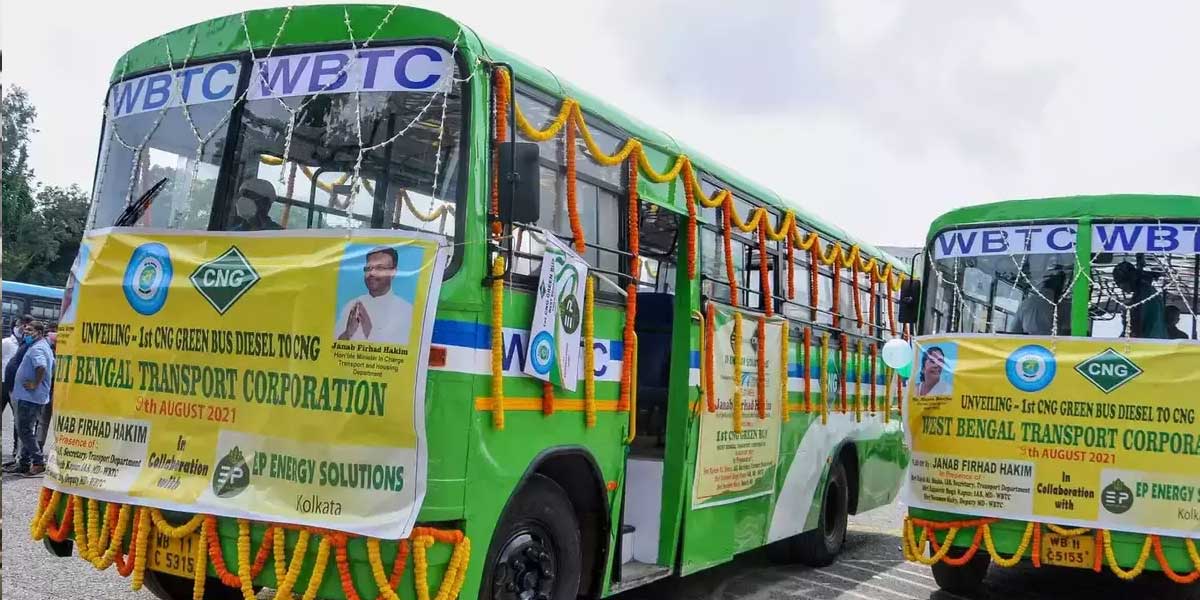
He added that the entire transport system will be overhauled by 2030. "There will be no diesel, petrol vehicles in future. They will be replaced by smart e-vehicles and CNG vehicles by 2030. We will have to introduce e-charging points throughout the state in a very planned manner for this."

The transport department is also planning to introduce special services during the festival of Durga Puja.

"There is a great rush during pujas so we will have more buses. We could also have special services, including conducted package tours for Pujo Porikroma (visiting puja pandals)," said the minister.

"Very soon there will be an online system in place by which people can apply for and renew driving license permits from the comfort of their homes. They will not have to queue up and it will reduce harassment," said Chakraborty.

The Minister added that as the Chief Minister does not want to burden the public there are no plans to increase bus fares immediately.

See also:
Kolkata to install its first helipad on 33 storey skyscraper
Breakthrough in the Delhi-Dehradun expressway project


The transport system in West Bengal is set to undergo major changes, with stress on efficiency, non-pollution, safety and transparency. State Transport Minister Snehasis Chakraborty said that by 2030 smart vehicles will replace the petrol and diesel vehicles in the state. The minister held a meeting with the district administration, police, and RTOs of eight districts in Siliguri this week. Later, the Minister said, We have entered into an agreement with Tata Motors. They will be providing 1180 e-buses. The buses will be delivered and introduced in phases throughout the state in the next two to three years. He added that the entire transport system will be overhauled by 2030. There will be no diesel, petrol vehicles in future. They will be replaced by smart e-vehicles and CNG vehicles by 2030. We will have to introduce e-charging points throughout the state in a very planned manner for this. The transport department is also planning to introduce special services during the festival of Durga Puja. There is a great rush during pujas so we will have more buses. We could also have special services, including conducted package tours for Pujo Porikroma (visiting puja pandals), said the minister. Very soon there will be an online system in place by which people can apply for and renew driving license permits from the comfort of their homes. They will not have to queue up and it will reduce harassment, said Chakraborty. The Minister added that as the Chief Minister does not want to burden the public there are no plans to increase bus fares immediately. See also: Kolkata to install its first helipad on 33 storey skyscraperBreakthrough in the Delhi-Dehradun expressway project

Next Story
Infrastructure Urban

Implementation Status of Jal Jeevan Mission

Since August 2019 the Government has implemented Jal Jeevan Mission to provide assured potable water through household tap connections in rural India. At the start of the mission only 32.3 million (mn) rural households, representing 16.7 per cent, were reported to have tap water connections. States and union territories have reported that 125.8 mn additional rural households have since been provided with tap connections. As a result, of about 193.6 mn rural households roughly 158.2 mn, or 81.71 per cent, are reported to have tap water supply at home.\n\nThe State, district and village level st..

Next Story
Infrastructure Urban

Jal Jeevan Mission Reaches Eighty One Per Cent Rural Coverage

The Government reported substantial progress under the Jal Jeevan Mission, launched in August 2019 to provide tap water to every rural household. At launch only 32.3 million (mn) rural households had tap connections and states and Union territories reported provision of 125.8 mn additional households by March 2026. Consequently, out of about 193.6 mn rural households around 158.2 mn, or 81.71 per cent, are reported to have tap water at home. The Finance Minister announced extension of the mission until 2028 in the 2025-26 budget speech. The Swachh Bharat Mission Grameen, launched in October 20..

Next Story
Infrastructure Urban

Empowering Local Governance for Sustainable Rural Water Supply

The Ministry of Jal Shakti has aligned the Jal Jeevan Mission (JJM) with the 73rd Amendment to strengthen village level planning and community ownership of water supply. Gram Panchayats, village water and sanitation committees and Pani Samitis are to plan, implement, manage and maintain piped water systems, with gram sabha processes formalising handover and oversight. Implementation support agencies including non government organisations, community based organisations and self help groups have been empanelled to train local committees and promote women participation. Under JJM, the department ..

Advertisement

Subscribe to Our Newsletter

Get daily newsletters around different themes from Construction world.

STAY CONNECTED

Advertisement

Advertisement

Advertisement