Palayamkottai - Thoothukudi road finally revamped
ROADS & HIGHWAYS

Palayamkottai - Thoothukudi road finally revamped

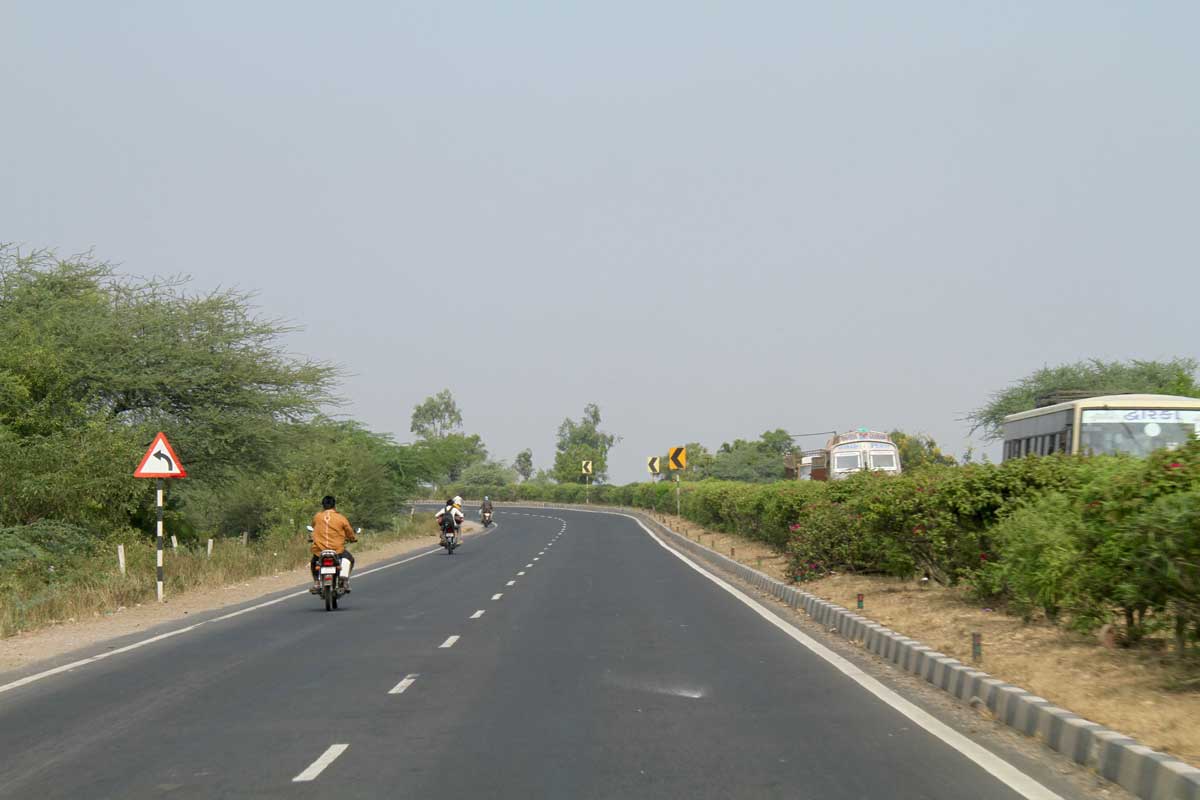
The four-lane highway was observed to be filled with cracks and potholes, leading to accidents on an almost daily basis, particularly after dusk. It was noted that this road was utilised by a multitude of vehicles, which included heavy transports carrying imported logs and 40-ft-long containers originating from VOC Port in Thoothukudi. These vehicles travelled towards districts such as Tirunelveli, Tenkasi, Kanniyakumari, as well as the neighbouring state of Kerala. Remarkably, despite being a highly frequented route, this road had not undergone any re-laying procedures since the inauguration of the four-lane highway for traffic, a period spanning 15 years.

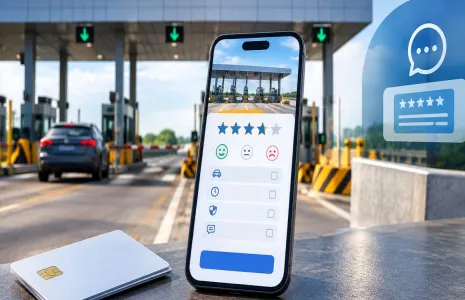
For a proper understanding of the deplorable and hazardous state of this highway, a comparison was drawn with the meticulously laid Kanniyakumari – Tirunelveli stretch. M Rajan, a cab driver hailing from Tirunelveli, commented, "This road is in a worse condition than a majority of rural roads, yet the National Highways Authority of India continues to collect toll fees." At the Vagaikulam toll plaza, which consisted of merely three lanes on each side, two designated for Fastag usage and one for cash payments, a perpetual crowd was observed. This occurrence contradicted the very intention behind introducing the Fastag system. Often, the vehicle registration numbers could not be read by the scanners, resulting in the attendants having to step out of their booths armed with handheld scanners. This practice led to a congestion of vehicles, with impatient drivers sounding their horns in frustration.

An immensely damaged bridge spanning the Tamirabharani river at Vallanadu remained unrepaired, despite an expenditure of more than Rs 150 million on repair attempts. The issue was escalated due to repeated complaints and legal action in the Madurai Bench of the Madras High Court. Subsequently, the NHAI allocated Rs 210 million for the repair of a bridge that had been initially constructed for Rs 250 million merely a decade ago.

Also read: 
NTPC, SJVN, Hinduja Win RUMSL's Phase II Solar Auction
BluPine and ACME Winners in RUVNL's 1.2 GW Solar


The four-lane highway was observed to be filled with cracks and potholes, leading to accidents on an almost daily basis, particularly after dusk. It was noted that this road was utilised by a multitude of vehicles, which included heavy transports carrying imported logs and 40-ft-long containers originating from VOC Port in Thoothukudi. These vehicles travelled towards districts such as Tirunelveli, Tenkasi, Kanniyakumari, as well as the neighbouring state of Kerala. Remarkably, despite being a highly frequented route, this road had not undergone any re-laying procedures since the inauguration of the four-lane highway for traffic, a period spanning 15 years. For a proper understanding of the deplorable and hazardous state of this highway, a comparison was drawn with the meticulously laid Kanniyakumari – Tirunelveli stretch. M Rajan, a cab driver hailing from Tirunelveli, commented, This road is in a worse condition than a majority of rural roads, yet the National Highways Authority of India continues to collect toll fees. At the Vagaikulam toll plaza, which consisted of merely three lanes on each side, two designated for Fastag usage and one for cash payments, a perpetual crowd was observed. This occurrence contradicted the very intention behind introducing the Fastag system. Often, the vehicle registration numbers could not be read by the scanners, resulting in the attendants having to step out of their booths armed with handheld scanners. This practice led to a congestion of vehicles, with impatient drivers sounding their horns in frustration. An immensely damaged bridge spanning the Tamirabharani river at Vallanadu remained unrepaired, despite an expenditure of more than Rs 150 million on repair attempts. The issue was escalated due to repeated complaints and legal action in the Madurai Bench of the Madras High Court. Subsequently, the NHAI allocated Rs 210 million for the repair of a bridge that had been initially constructed for Rs 250 million merely a decade ago. Also read:  NTPC, SJVN, Hinduja Win RUMSL's Phase II Solar AuctionBluPine and ACME Winners in RUVNL's 1.2 GW Solar

Next Story
Infrastructure Urban

VECV Sales Rise 7.8 Per Cent In May 2026

VE Commercial Vehicles recorded sales of 7,978 units in May 2026, compared to 7,401 units in May 2025, registering growth of 7.8 per cent. This included 7,789 units from the Eicher brand and 189 units from the Volvo brand.Eicher branded trucks and buses reported sales of 7,789 units during the month, up 7.3 per cent from 7,258 units a year earlier. In the domestic commercial vehicle market, Eicher sales rose 9.1 per cent to 7,375 units from 6,758 units in May 2025.Exports declined 17.2 per cent to 414 units from 500 units in the corresponding month last year. Volvo Trucks and Volvo Buses recor..

Next Story
Infrastructure Urban

Table Space Strengthens DESYN Leadership Team

Table Space has announced strategic leadership appointments within DESYN, its integrated Design and Build business, as it looks to strengthen operations across key enterprise and GCC markets in India. DESYN was launched as a strategic extension of Table Space’s workspace solutions portfolio to meet rising demand for agile, high-quality and rapidly deployable enterprise workspaces.Shruti Ookabhoy has joined DESYN as Executive Director and will lead the Design vertical, focusing on design capability, operational excellence and team development across markets. She brings over 22 years of experi..

Next Story
Infrastructure Transport

Concord Associate Bags Rs 2.79 Bn Kavach Order

Concord Control Systems said its associate company, Progota India, has received a Rs 2.79 bn domestic order from Indian Railways for the supply, installation, testing and commissioning of on-board Kavach 4.0 loco equipment.The order is scheduled for execution within 12 months and strengthens Concord’s role in India’s railway safety and signalling ecosystem. Kavach is India’s indigenous automatic train protection system, designed to improve operational safety by helping prevent signal passing at danger and reducing collision risks.Gaurav Lath, Joint Managing Director, Concord Control Syst..

Advertisement

Subscribe to Our Newsletter

Get daily newsletters around different themes from Construction world.

STAY CONNECTED

Advertisement

Advertisement

Advertisement