ADB Approves USD 240 Million Loan For Chennai Metro Expansion
RAILWAYS & METRO RAIL

ADB Approves USD 240 Million Loan For Chennai Metro Expansion

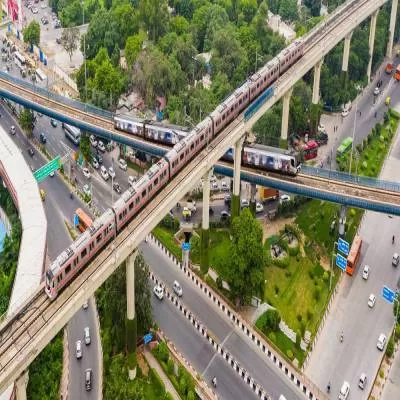
The Asian Development Bank (ADB) has approved a USD 240 million loan as the second tranche of the Chennai Metro Rail Investment Project to support network expansion and deliver cleaner, safer and more reliable urban transport across the Chennai Metropolitan Area.

The financing forms part of ADB’s USD 780 million multitranche financing facility approved in 2022 and follows the initial USD 350 million loan under the first tranche. The latest tranche will support key sections of Metro Lines 3, 4 and 5, covering around 20 kilometres of elevated and underground corridors and the construction of 18 new stations equipped with universal access features and disaster-resilient infrastructure to ensure service continuity during extreme weather events.

“This project will deliver safer, faster and more reliable daily travel in Chennai while advancing the city’s low-carbon development goals,” said Mio Oka, ADB Country Director for India. She added that continued collaboration would help expand metro connectivity and strengthen the capacity of Chennai’s metro and suburban rail systems to meet rising mobility demand.

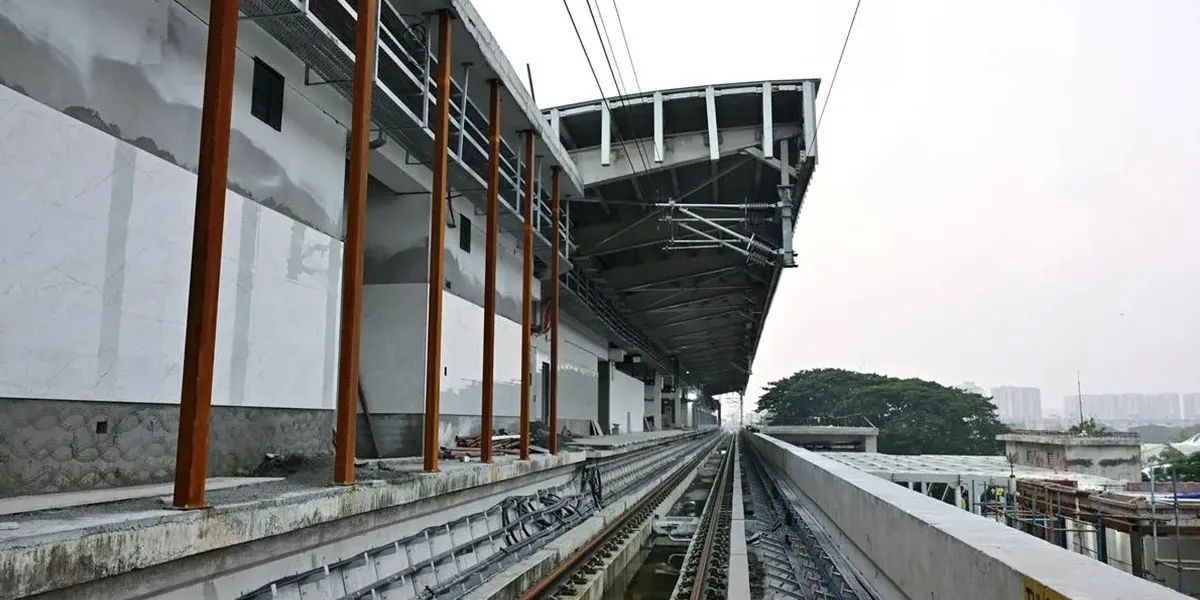
Under Tranche 2, ADB will fund civil and system works for the elevated section of Line 3 between Sholinganallur and SIPCOT-2, the underground section of Line 4 between Lighthouse and Kodambakkam, and key system components for Line 5, including power supply, traction and telecommunications. The tranche will also support upgrades to multimodal interchange areas to enable smoother transfers between metro services, buses, bicycles and other last-mile transport options.

Beyond physical infrastructure, the project aims to enhance inclusive station design, improve travel safety for women and vulnerable users, and support measures to increase non-fare revenues, strengthening the long-term financial sustainability of the metro system. Construction under this tranche is targeted for completion by mid-2028.

ADB is a leading multilateral development bank supporting inclusive, resilient and sustainable growth across Asia and the Pacific, working with its members and partners to deliver quality infrastructure and long-term development outcomes.

The Asian Development Bank (ADB) has approved a USD 240 million loan as the second tranche of the Chennai Metro Rail Investment Project to support network expansion and deliver cleaner, safer and more reliable urban transport across the Chennai Metropolitan Area. The financing forms part of ADB’s USD 780 million multitranche financing facility approved in 2022 and follows the initial USD 350 million loan under the first tranche. The latest tranche will support key sections of Metro Lines 3, 4 and 5, covering around 20 kilometres of elevated and underground corridors and the construction of 18 new stations equipped with universal access features and disaster-resilient infrastructure to ensure service continuity during extreme weather events. “This project will deliver safer, faster and more reliable daily travel in Chennai while advancing the city’s low-carbon development goals,” said Mio Oka, ADB Country Director for India. She added that continued collaboration would help expand metro connectivity and strengthen the capacity of Chennai’s metro and suburban rail systems to meet rising mobility demand. Under Tranche 2, ADB will fund civil and system works for the elevated section of Line 3 between Sholinganallur and SIPCOT-2, the underground section of Line 4 between Lighthouse and Kodambakkam, and key system components for Line 5, including power supply, traction and telecommunications. The tranche will also support upgrades to multimodal interchange areas to enable smoother transfers between metro services, buses, bicycles and other last-mile transport options. Beyond physical infrastructure, the project aims to enhance inclusive station design, improve travel safety for women and vulnerable users, and support measures to increase non-fare revenues, strengthening the long-term financial sustainability of the metro system. Construction under this tranche is targeted for completion by mid-2028. ADB is a leading multilateral development bank supporting inclusive, resilient and sustainable growth across Asia and the Pacific, working with its members and partners to deliver quality infrastructure and long-term development outcomes.

Next Story
Infrastructure Urban

Powerplay Rolls Out Procurement-Linked Credit for Contractors

Powerplay has announced the launch of Powerplay Credit, a project-linked working capital solution aimed at easing cash flow pressures faced by contractors during active construction execution. The solution has gone live across key markets in South India, with a wider national rollout planned for 2026.The launch comes amid rising activity in India’s construction sector across infrastructure, housing, industrial corridors, renewable energy and urban redevelopment. Contractors executing large corporate and government projects often face extended payment cycles, stage-based billing and delayed r..

Next Story
Infrastructure Urban

Jyoti Structures Commissions Galvanisation at Second Nashik Unit

Jyoti Structures has commissioned galvanisation operations at its second tower manufacturing unit in Nashik, strengthening its in-house capabilities across critical stages of power transmission infrastructure production. The listed Engineering, Procurement and Construction (EPC) company operates globally and has delivered projects for customers across more than 50 countries.The second Nashik unit, with an annual manufacturing capacity of 36,000 metric tonnes, has become operational following the completion of installation, testing and readiness of the new galvanising facilities. With this deve..

Next Story
Infrastructure Energy

Rosatom Connects First Kursk NPP-2 Unit to National Grid

Rosatom has launched the first power unit of the Kursk Nuclear Power Plant-2 (Kursk NPP-2) into Russia’s Unified Energy System, marking a key milestone in the country’s nuclear energy programme. The initial grid connection took place at the end of the year, bringing a new source of low-carbon electricity online for the Kursk region and the broader Central Energy System.The newly commissioned unit is the first implementation of the VVER-TOI reactor design, which incorporates advanced safety and performance features. With an installed capacity of 1,250 MW, it is the most powerful nuclear pow..

Advertisement

Subscribe to Our Newsletter

Get daily newsletters around different themes from Construction world.

STAY CONNECTED

Advertisement

Advertisement

Advertisement

Advertisement

Open In App