

CONCOR Opts for Existing Lease Regime
RAILWAYS & METRO RAIL

CONCOR Opts for Existing Lease Regime

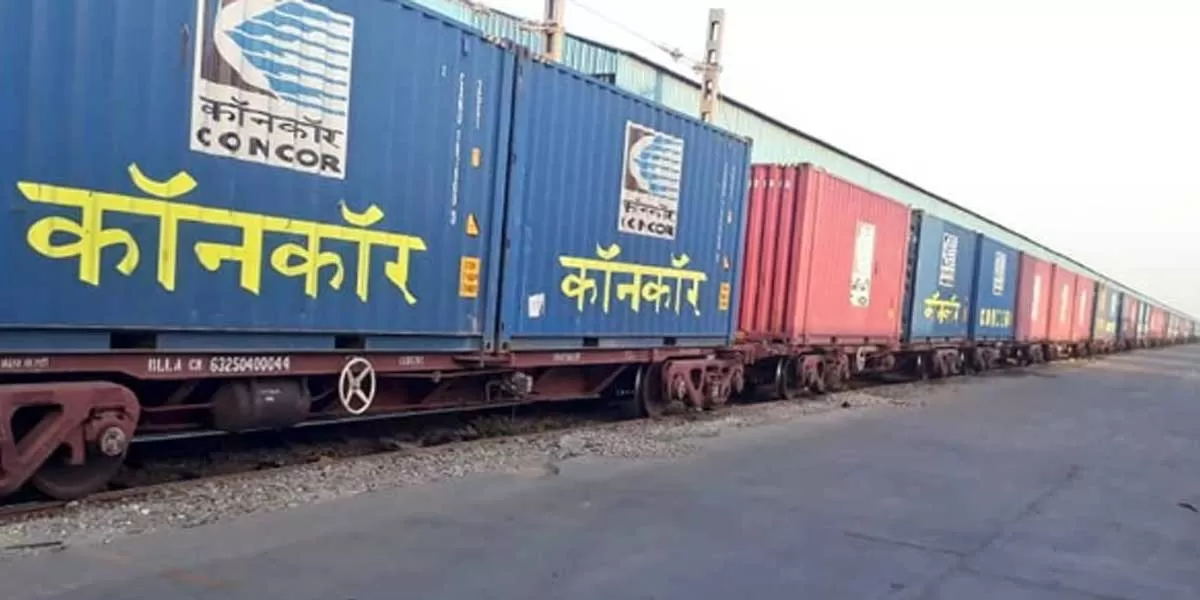
The Container Corporation of India Ltd (CONCOR) has chosen to maintain its current land lease agreements with Indian Railways, foregoing the newly introduced liberal licensing policy. This policy, approved by the Union Cabinet, offers reduced lease charges of 1.5% of the land's market value compared to the existing 6% with annual escalation.

Switching to the new regime would require CONCOR to bid for the 26 terminals it operates on railway land. Despite having the right of first refusal if they are not the highest bidder, this introduces potential competition and uncertainties. Chairman and Managing Director V Kalyana Rama expressed concerns over the variables and risks in the bidding process, which includes terminal charges for railway wagon traffic and terminal access charges for non-railway wagon traffic. These factors could result in increased operational costs and negatively impact margins.

Currently, CONCOR pays around Rs 380-390 crore annually in land lease charges. By sticking with the existing policy, they aim to avoid the complications and potential financial strain associated with the new regime. The decision to continue with the current lease terms will be re-evaluated as they closely monitor the new policy's implications.

The Container Corporation of India Ltd (CONCOR) has chosen to maintain its current land lease agreements with Indian Railways, foregoing the newly introduced liberal licensing policy. This policy, approved by the Union Cabinet, offers reduced lease charges of 1.5% of the land's market value compared to the existing 6% with annual escalation. Switching to the new regime would require CONCOR to bid for the 26 terminals it operates on railway land. Despite having the right of first refusal if they are not the highest bidder, this introduces potential competition and uncertainties. Chairman and Managing Director V Kalyana Rama expressed concerns over the variables and risks in the bidding process, which includes terminal charges for railway wagon traffic and terminal access charges for non-railway wagon traffic. These factors could result in increased operational costs and negatively impact margins. Currently, CONCOR pays around Rs 380-390 crore annually in land lease charges. By sticking with the existing policy, they aim to avoid the complications and potential financial strain associated with the new regime. The decision to continue with the current lease terms will be re-evaluated as they closely monitor the new policy's implications.

Next Story
Infrastructure Transport

Large Format Store Planned At M G Road Metro Station

M G Road station in Bengaluru is set to host the city’s first large-format commercial and experience space, with planning led by Bangalore Metro Rail Corporation Limited. BMRCL has invited proposals to develop and operate a central business district destination at the Purple?Pink Line interchange. The plan positions the station as a commercial hub designed to serve a broad commuter base across the city. The proposal is part of a broader effort to activate transit nodes commercially. Tender documents set a minimum monthly rental of Rs 0.944 million (mn), inclusive of GST, for the large-format..

Next Story
Infrastructure Energy

Government Cancels Auction Of Eleven Critical Mineral Blocks

The government has cancelled the auction of 11 critical and strategic mineral blocks after receiving a poor investor response and failing to attract a sufficient number of qualified bidders. The decision represents a setback to plans to ramp up domestic exploration and production of critical minerals amid global supply chain disruptions and rising demand for materials used in clean energy and advanced technologies. The mines ministry issued an annulment notice setting out the reasons for the cancellations. The annulment notice indicated that the auction process for five mineral blocks was canc..

Next Story
Infrastructure Energy

Gujarat Pushes Biogas Growth With 193 Operational Units

Gujarat has operationalised 193 biogas plants across the state and is planning to add 60 more units as part of a broader push to scale up clean and sustainable energy solutions. The existing plants, established under various government-supported schemes, process organic waste including cattle dung and agricultural residue to produce biogas and a nutrient-rich slurry. The output is mainly used for cooking and other energy needs in rural and semi-urban communities, while also improving local waste management practices. The Gujarat Energy Development Agency (GEDA) is leading the initiative and is..

Advertisement

Subscribe to Our Newsletter

Get daily newsletters around different themes from Construction world.

STAY CONNECTED

Advertisement

Advertisement

Advertisement