Delhi Metro Boardings Rise 11.5% as Vehicle Curbs Begin
RAILWAYS & METRO RAIL

Delhi Metro Boardings Rise 11.5% as Vehicle Curbs Begin

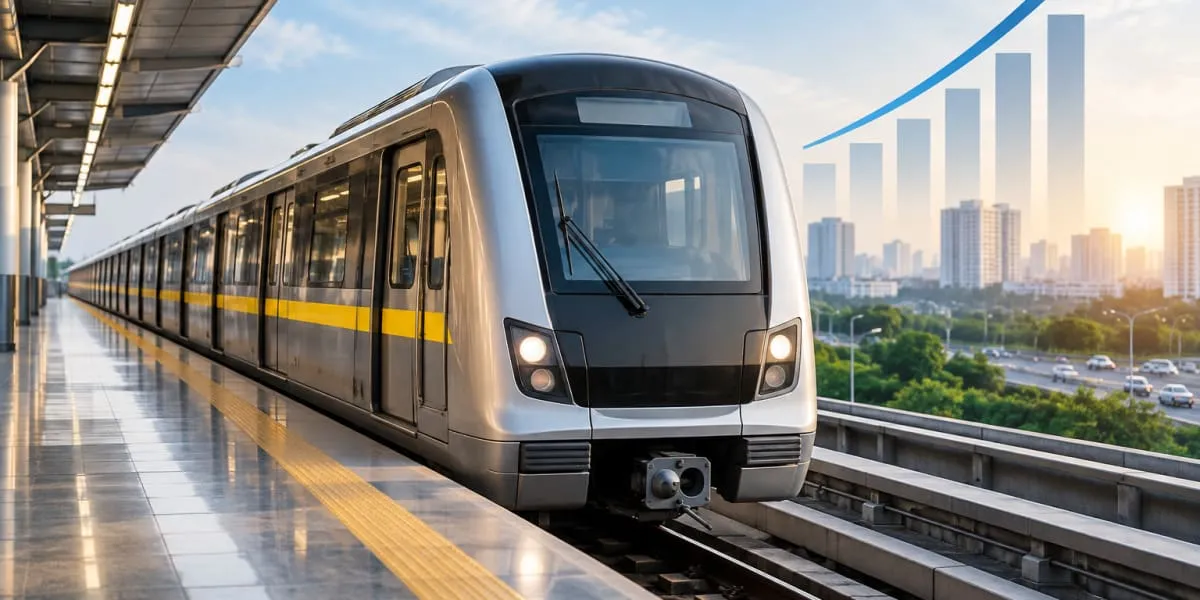
Delhi Metro recorded 8.05 mn passenger boardings on November 2, the first working day after restrictions on older, non-BS-VI vehicles registered outside the capital took effect. The figure was up from 7.22 mn boardings on the previous Monday and came close to the network’s record of 8.24 mn, recorded during a strike by Delhi Transport Corporation bus drivers in September.

The Yellow and Blue lines together accounted for more than half of the total. The Yellow Line, connecting Samaypur Badli with Millennium City Centre in Gurugram, recorded 2.13 mn boardings, or 26.4 per cent of the total. The Blue Line recorded 2.12 mn boardings across its two branches connecting Dwarka with Noida and Vaishali, also accounting for 26.4 per cent.

The Pink Line contributed 11 per cent of boardings, followed by the Red Line at 10.9 per cent and the Violet Line at 10.2 per cent. Delhi’s restrictions, introduced on November 1 as part of winter pollution-control measures, bar petrol and diesel vehicles registered outside the capital from entering if they do not meet BS-VI emission standards.

The affected vehicles include approximately 30.2 mn BS-I to BS-IV vehicles registered in Uttar Pradesh, Haryana and Rajasthan. About 4.8 mn of these are registered in National Capital Region districts adjoining Delhi, and their owners may need to use alternative transport for journeys into the capital. The restrictions operate alongside the Graded Response Action Plan framework.

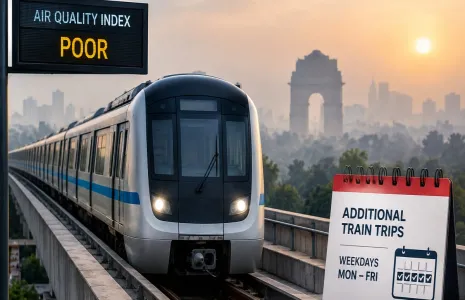
To manage additional demand, the Delhi Metro Rail Corporation has been operating 40 additional train trips across its network. It introduced 20 extra trips on October 22 when the first stage of the pollution-control plan was implemented, and added 20 more on Monday. The corporation has also made additional passenger-facilitation arrangements at stations where required. The network’s average daily ridership is around 6.4 mn passenger journeys, although journeys count line usage, including transfers, rather than individual passengers. Earlier highs included 8.19 mn boardings on August 8, 2025, and 8.1 mn on August 27 this year.

Delhi Metro recorded 8.05 mn passenger boardings on November 2, the first working day after restrictions on older, non-BS-VI vehicles registered outside the capital took effect. The figure was up from 7.22 mn boardings on the previous Monday and came close to the network’s record of 8.24 mn, recorded during a strike by Delhi Transport Corporation bus drivers in September. The Yellow and Blue lines together accounted for more than half of the total. The Yellow Line, connecting Samaypur Badli with Millennium City Centre in Gurugram, recorded 2.13 mn boardings, or 26.4 per cent of the total. The Blue Line recorded 2.12 mn boardings across its two branches connecting Dwarka with Noida and Vaishali, also accounting for 26.4 per cent. The Pink Line contributed 11 per cent of boardings, followed by the Red Line at 10.9 per cent and the Violet Line at 10.2 per cent. Delhi’s restrictions, introduced on November 1 as part of winter pollution-control measures, bar petrol and diesel vehicles registered outside the capital from entering if they do not meet BS-VI emission standards. The affected vehicles include approximately 30.2 mn BS-I to BS-IV vehicles registered in Uttar Pradesh, Haryana and Rajasthan. About 4.8 mn of these are registered in National Capital Region districts adjoining Delhi, and their owners may need to use alternative transport for journeys into the capital. The restrictions operate alongside the Graded Response Action Plan framework. To manage additional demand, the Delhi Metro Rail Corporation has been operating 40 additional train trips across its network. It introduced 20 extra trips on October 22 when the first stage of the pollution-control plan was implemented, and added 20 more on Monday. The corporation has also made additional passenger-facilitation arrangements at stations where required. The network’s average daily ridership is around 6.4 mn passenger journeys, although journeys count line usage, including transfers, rather than individual passengers. Earlier highs included 8.19 mn boardings on August 8, 2025, and 8.1 mn on August 27 this year.

Related Stories

Gold Stories
Next Story
Equipment

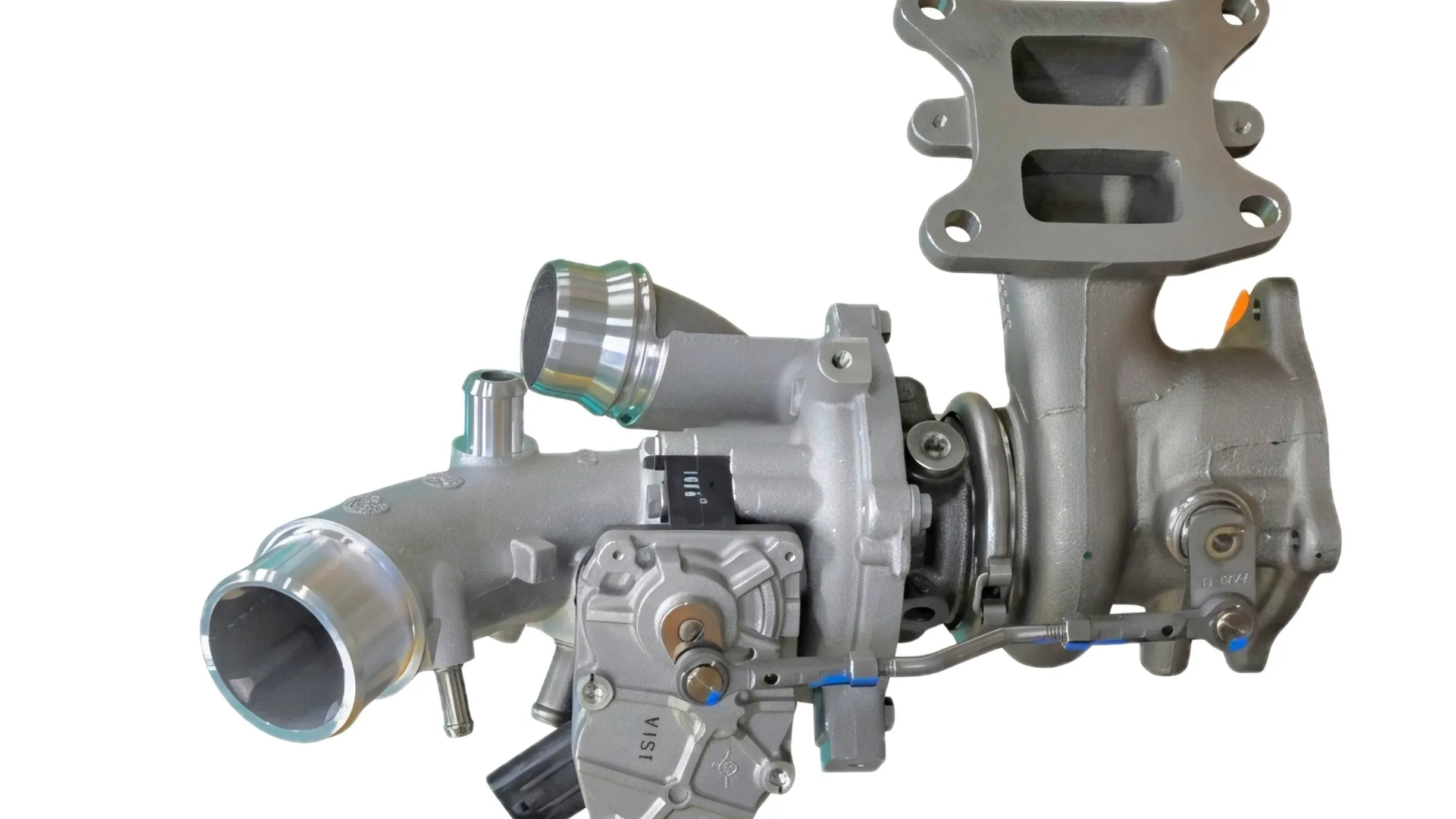
BorgWarner secures three turbocharger contracts with global powertrain leader

BorgWarner has secured three new turbocharger contracts with a global powertrain technology company. The wins comprise one contract for its variable turbine geometry (VTG) turbocharger and two for its wastegate turbocharger. The technologies will be deployed in the customer's light-vehicle gasoline platforms in South America and Europe, with production scheduled to begin in 2027.The VTG turbochargers are designed for gasoline engines operating under demanding conditions and high-boost pressure requirements. They are engineered to support Miller-cycle engines and withstand exhaust temperatures ..
Next Story
Infrastructure Transport

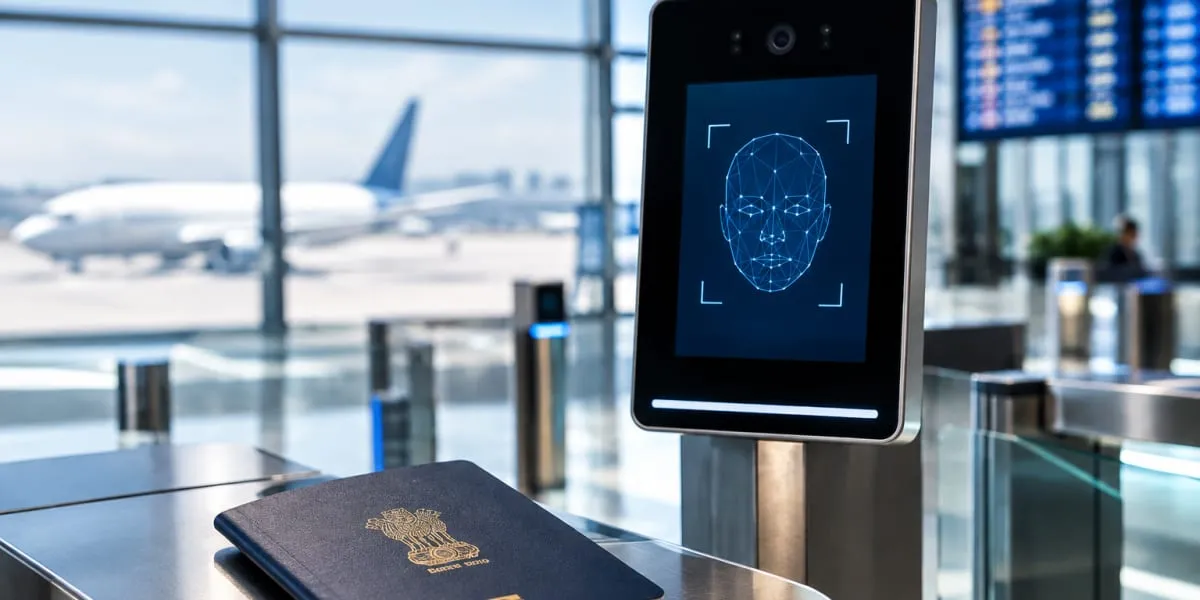
International Digi Yatra Trials Begin at Seven Airports

India has begun trials of Digi Yatra for international passengers at seven airports, allowing eligible Indian passport holders to use facial recognition at selected airport checkpoints. The facility is currently limited to Indian nationals with e-passports travelling on selected international flights operated by Air India and IndiGo. The Civil Aviation Ministry announced the trials on 1 November, with testing scheduled through December 2026. A wider rollout is expected in 2027 after the ministry assesses passenger feedback gathered during the trial period, according to PTI. The system is inten..

Next Story
Infrastructure Transport

Air India Plans More Wide-Body Jets, CEO Signals Profitability Soon

Air India is seeking to expand its order for wide-body aircraft as it works to increase international passenger traffic, chief executive Tewolde Gebremariam said on Tuesday. The Tata Group-owned carrier is also targeting a return to profitability in the near term, as its turnaround programme addresses fleet, network and service challenges. The comments came months after Gebremariam took charge of the airline. Gebremariam, who previously led Ethiopian Airlines, said the airline wanted more wide-body aircraft. Air India has held discussions with Boeing and Airbus while assessing the economics of..

Advertisement

Subscribe to Our Newsletter

Get daily newsletters around different themes from Construction world.

STAY CONNECTED

Advertisement

SPECIAL OFFER
QR Code