DMRC Transplanted 180 Trees Without Approval, Delhi Govt Tells HC
ECONOMY & POLICY

DMRC Transplanted 180 Trees Without Approval, Delhi Govt Tells HC

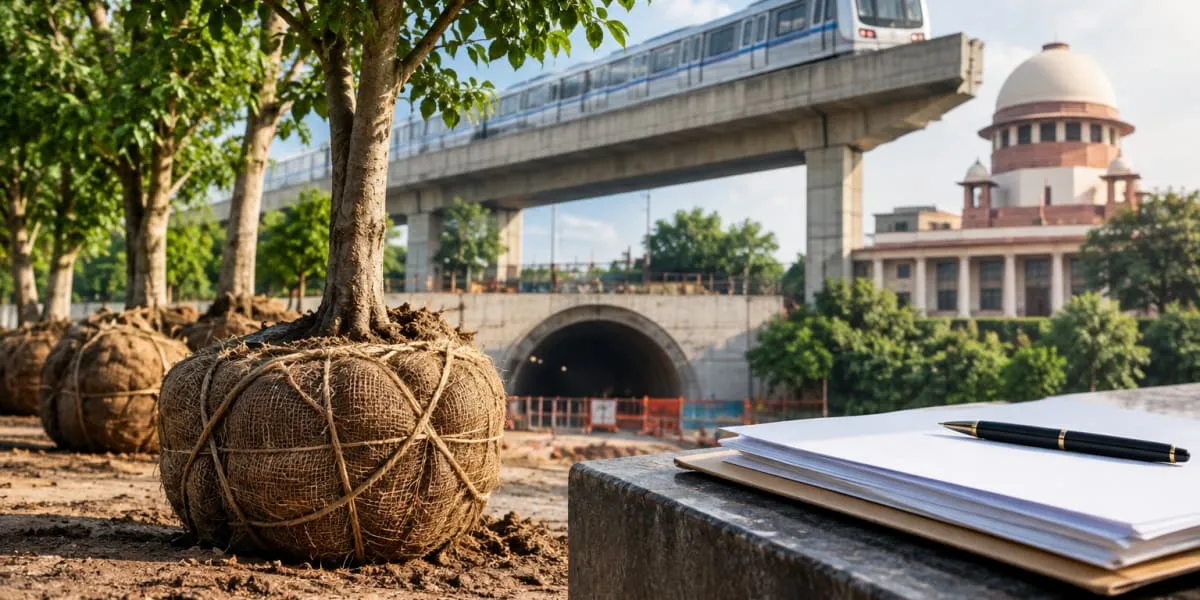
The Delhi government has informed the Delhi High Court that the Delhi Metro Rail Corporation (DMRC) transplanted 180 trees at Ajmal Khan Park without obtaining prior approval from the forest department. The transplantation was carried out for construction of the underground Inderlok-Indraprastha corridor under the Delhi MRTS Phase IV project.

The submission was made by the Deputy Conservator of Forest, West Division, Department of Forest and Wildlife, in a status report filed in response to a petition alleging that construction activity was damaging mature trees in the area. The petition is scheduled to be heard by Justice Jasmeet Singh on November 23.

According to the report, a joint inspection was conducted on October 7 at the project site, where transplantation work was in progress. Of the 534 trees assessed at the site, 524 were identified for transplantation and 10 for felling. Officials found that 180 trees had already been transplanted in the rear portion of Ajmal Khan Park.

The inspection report said around 10 to 15 transplanted trees were showing signs of survival and fresh leaf growth. It added that the other transplanted trees could also survive because the process had not yet been completed. However, the department recorded that the transplantation site had not received its prior approval.

The inspection team marked all three transplantation patches for identification and official records. It also observed that no tree had been illegally felled or damaged during the inspection. The petitioner, advocate Arpit Bhargava, alleged that construction on Delhi Development Authority land behind his residence on Desh Bandhu Gupta Road was generating smoke, dust, fumes and particulate matter from the cutting and processing of iron and steel materials.

Bhargava further alleged that pollutants were settling on foliage and soil and that several trees, including old peepal trees, had been damaged during construction of a boundary wall. He sought directions to stop activities harming the trees and alleged violations of the Delhi Preservation of Trees Act. The petition also claimed that repeated complaints to the authorities had not resulted in effective measures to protect the area’s green cover.

The Delhi government has informed the Delhi High Court that the Delhi Metro Rail Corporation (DMRC) transplanted 180 trees at Ajmal Khan Park without obtaining prior approval from the forest department. The transplantation was carried out for construction of the underground Inderlok-Indraprastha corridor under the Delhi MRTS Phase IV project. The submission was made by the Deputy Conservator of Forest, West Division, Department of Forest and Wildlife, in a status report filed in response to a petition alleging that construction activity was damaging mature trees in the area. The petition is scheduled to be heard by Justice Jasmeet Singh on November 23. According to the report, a joint inspection was conducted on October 7 at the project site, where transplantation work was in progress. Of the 534 trees assessed at the site, 524 were identified for transplantation and 10 for felling. Officials found that 180 trees had already been transplanted in the rear portion of Ajmal Khan Park. The inspection report said around 10 to 15 transplanted trees were showing signs of survival and fresh leaf growth. It added that the other transplanted trees could also survive because the process had not yet been completed. However, the department recorded that the transplantation site had not received its prior approval. The inspection team marked all three transplantation patches for identification and official records. It also observed that no tree had been illegally felled or damaged during the inspection. The petitioner, advocate Arpit Bhargava, alleged that construction on Delhi Development Authority land behind his residence on Desh Bandhu Gupta Road was generating smoke, dust, fumes and particulate matter from the cutting and processing of iron and steel materials. Bhargava further alleged that pollutants were settling on foliage and soil and that several trees, including old peepal trees, had been damaged during construction of a boundary wall. He sought directions to stop activities harming the trees and alleged violations of the Delhi Preservation of Trees Act. The petition also claimed that repeated complaints to the authorities had not resulted in effective measures to protect the area’s green cover.

Related Stories

Gold Stories

Next Story
Real Estate

Emaar India Launches Grade-A Office Tower in Gurugram

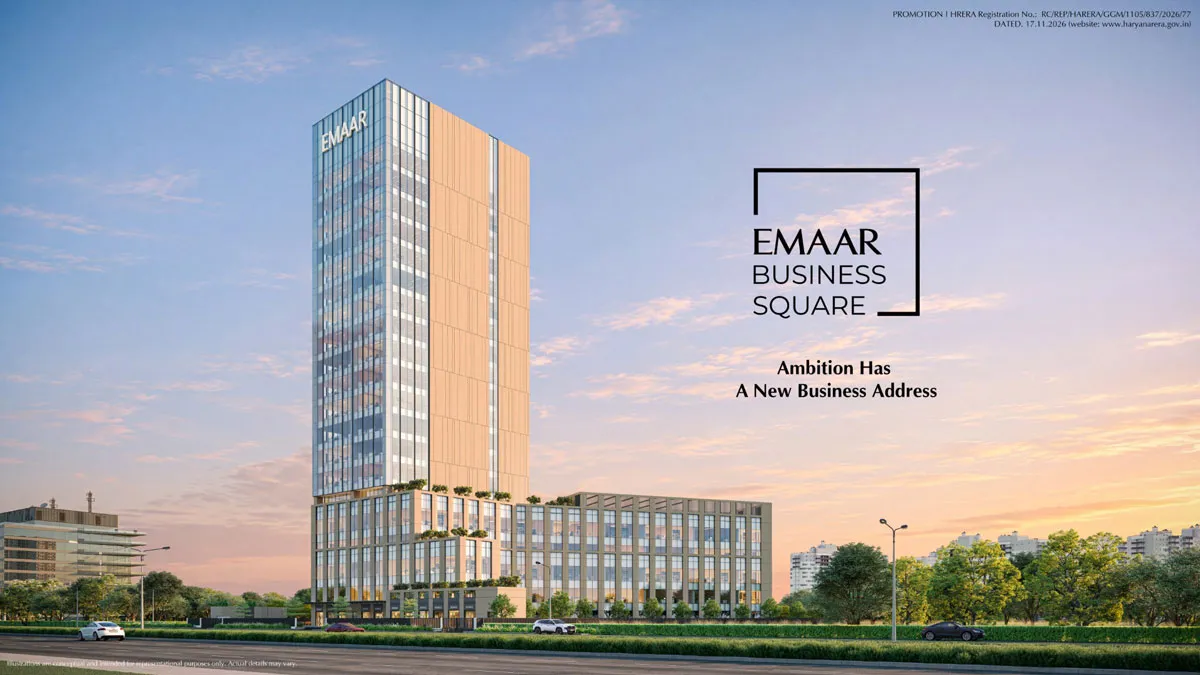
Emaar India, the Indian arm of Dubai-based Emaar Properties, recently launched Emaar Business Square, a Grade-A commercial tower in Sector 65, Gurugram. Pre-certified IGBC Platinum, the development offers flexible office spaces, sustainable building features and ground-floor retail facilities.The launch comes amid growing demand for premium office spaces in Gurugram. According to Cushman & Wakefield, Gurugram accounted for 63 per cent of Delhi NCR’s office leasing during the July–September quarter of 2026. The region recorded office leasing of 3.8 million sq ft during the quarter, taki..
Next Story
Infrastructure Urban

SFC Environmental Technologies Posts 80.5% Revenue Growth in H1 FY27

SFC Environmental Technologies recently announced its first financial results as a listed company, reporting an 80.5 per cent year-on-year (YoY) increase in consolidated revenue from operations to Rs 2.97 billion for the half year ended 30 September 2026 (H1 FY27).The company’s EBITDA increased by 86.9 per cent YoY to Rs 200.5 million, with an EBITDA margin of 6.8 per cent. Profit after tax (PAT) rose to Rs 35.8 million from Rs 0.4 million in H1 FY26. The company's order book stood at Rs 16.56 billion as of 30 September 2026, representing approximately 2.1 times its FY26 revenue.For Q2 FY27,..
Next Story
Infrastructure Urban

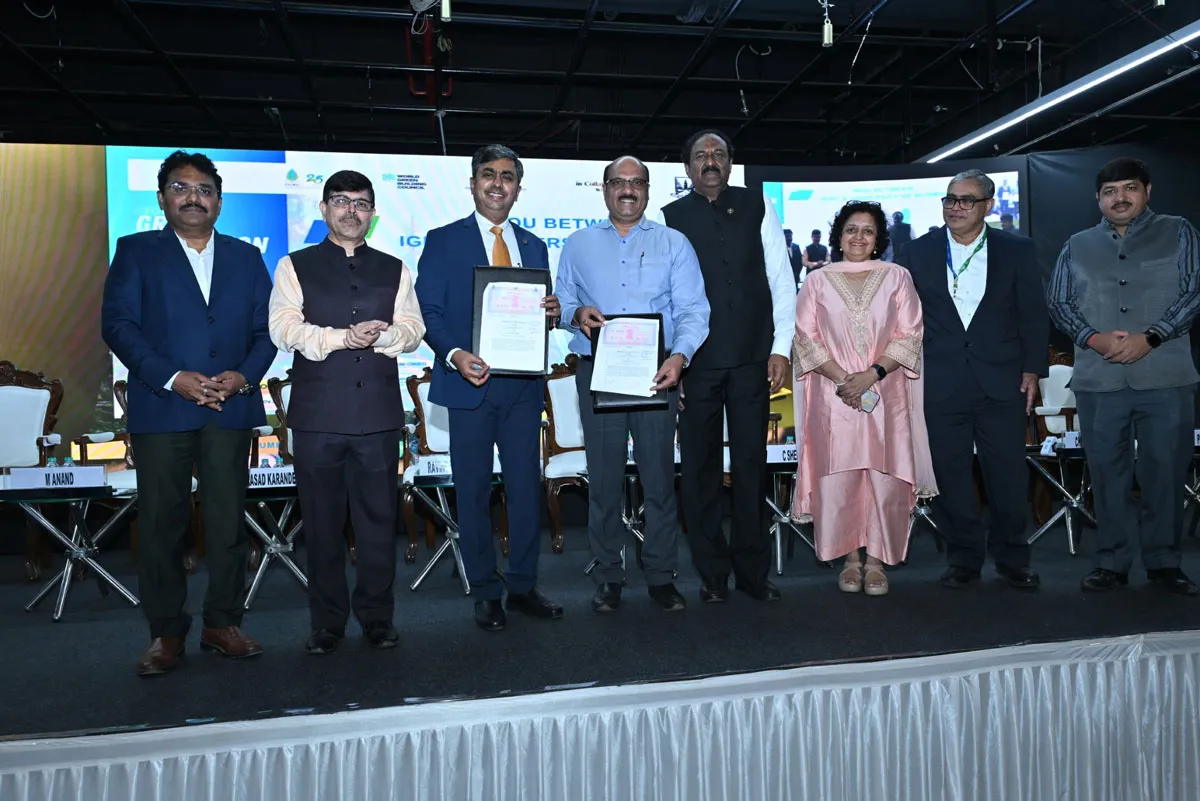
IGBC, University of Mumbai Partner to Advance Green Education

The Indian Green Building Council (IGBC), part of the Confederation of Indian Industry (CII), and the University of Mumbai recently signed a Memorandum of Understanding (MoU) to strengthen green education and develop skilled professionals for India’s sustainable built environment sector. The agreement was signed during the Green Education Conclave 2026 at the university’s Kalina campus.Under the partnership, both institutions will jointly develop a specialised course on ‘Green Built Environment’ for students pursuing civil, electrical, environmental and mechanical engineering, as well ..

Subscribe to Our Newsletter

Get daily newsletters around different themes from Construction world.

STAY CONNECTED

Advertisement

SPECIAL OFFER
QR Code