Gujarat's Metro Expands for Ahmedabad 2036 Olympic Bid
RAILWAYS & METRO RAIL

Gujarat's Metro Expands for Ahmedabad 2036 Olympic Bid

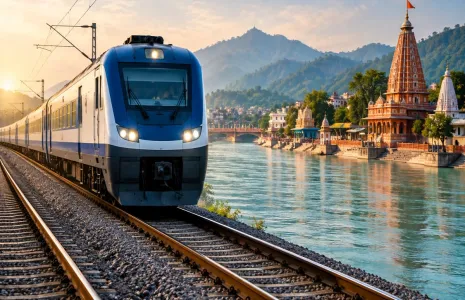
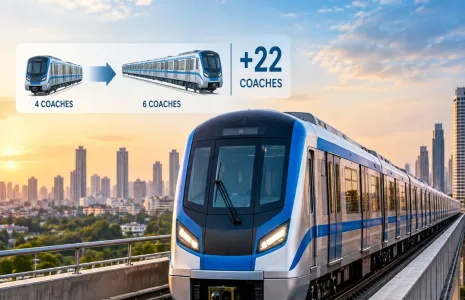
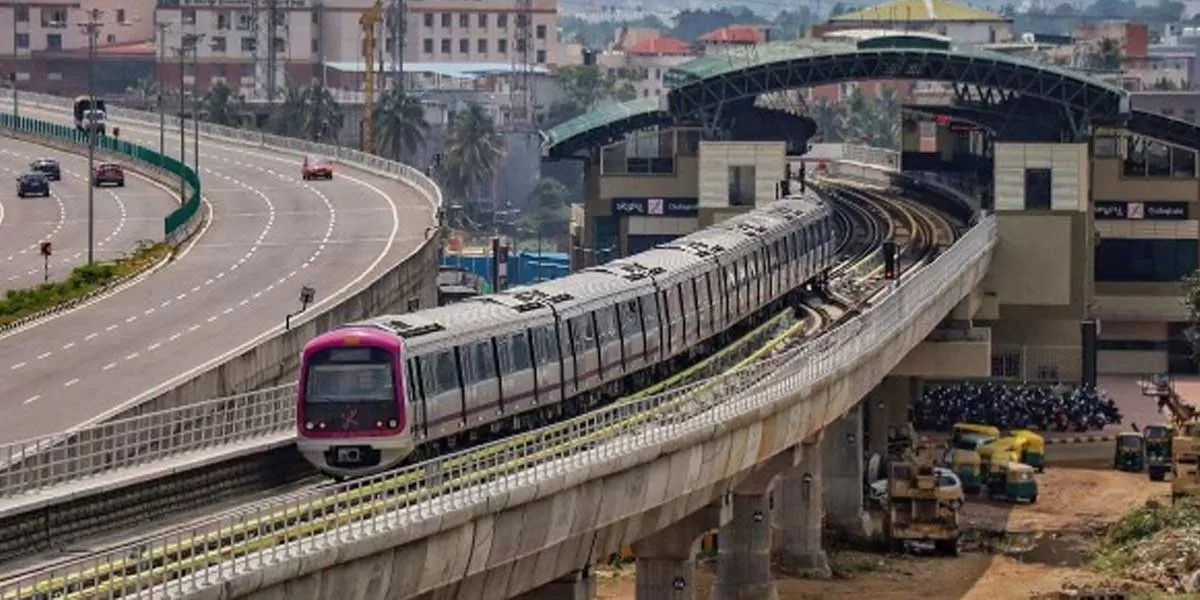
The metro transit authority in India?s Gujarat state, in anticipation of Ahmedabad's potential bid for the 2036 Olympic and Paralympic Games, has unveiled ambitious rail expansion plans. The Gujarat Metro Rail Corporation (GMRT) has reportedly drafted proposals to extend rail service to key locations integral to the proposed Olympic infrastructure.

The GMRT aims to connect Motera, the proposed site for the Olympic Stadium and sports park at Narendra Modi Stadium, and Manipur, identified as a potential location for the Olympic Village. These extensions are part of a larger plan to link various sites crucial for hosting the Games as outlined in the GMRC proposal.

Top state government officials have emphasized the synchronization of the rail project with ongoing Olympic infrastructure endeavors to ensure seamless financing and execution. Indian Prime Minister Narendra Modi initiated the nation's bid for the Games during an International Olympic Committee (IOC) Session in Mumbai last October. However, Ahmedabad's nomination as the host city by the Indian Olympic Association (IOA) is pending, with ongoing discussions with the IOC Future Host Commission (FHC) to assess the feasibility of the bid.

Despite the interest in hosting the Games, the path for Ahmedabad to secure its position as the host city remains complex and lengthy, with several countries reportedly considering bids for the 2036 edition. The IOC has not slated an election before 2026 or 2027 to finalize the host city. While Ahmedabad has engaged consultants to craft a bid masterplan and committed to significant sports infrastructure development projects, it must adhere to the IOC's emphasis on utilizing existing facilities to host the Games, aimed at reducing costs and promoting sustainability.

Recent bidding reforms by the IOC underscore the importance of leveraging existing infrastructure, a response to past instances of incomplete or over-budget projects. However, projects such as the Brisbane 2032 Games' rail links, once considered beneficial for regional growth, now face scrutiny due to escalating costs. Nevertheless, if the Indian rail project receives approval and commences construction, the IOC may overlook potential concerns.

Partnering with regions like the Indian subcontinent, with its significant population, is of interest to the IOC, albeit with cautious consideration of associated risks. Paris is set to host the 2024 Olympics with temporary or pre-existing venues, while Los Angeles plans to follow suit in 2028 without constructing specific infrastructure for the Games.

As Gujarat lays the groundwork for potential Olympic hosting, the eyes of the sporting world remain fixed on the evolving landscape of the 2036 Olympic bid and the transformative impact it could have on the region's development and global sporting legacy.

The metro transit authority in India?s Gujarat state, in anticipation of Ahmedabad's potential bid for the 2036 Olympic and Paralympic Games, has unveiled ambitious rail expansion plans. The Gujarat Metro Rail Corporation (GMRT) has reportedly drafted proposals to extend rail service to key locations integral to the proposed Olympic infrastructure. The GMRT aims to connect Motera, the proposed site for the Olympic Stadium and sports park at Narendra Modi Stadium, and Manipur, identified as a potential location for the Olympic Village. These extensions are part of a larger plan to link various sites crucial for hosting the Games as outlined in the GMRC proposal. Top state government officials have emphasized the synchronization of the rail project with ongoing Olympic infrastructure endeavors to ensure seamless financing and execution. Indian Prime Minister Narendra Modi initiated the nation's bid for the Games during an International Olympic Committee (IOC) Session in Mumbai last October. However, Ahmedabad's nomination as the host city by the Indian Olympic Association (IOA) is pending, with ongoing discussions with the IOC Future Host Commission (FHC) to assess the feasibility of the bid. Despite the interest in hosting the Games, the path for Ahmedabad to secure its position as the host city remains complex and lengthy, with several countries reportedly considering bids for the 2036 edition. The IOC has not slated an election before 2026 or 2027 to finalize the host city. While Ahmedabad has engaged consultants to craft a bid masterplan and committed to significant sports infrastructure development projects, it must adhere to the IOC's emphasis on utilizing existing facilities to host the Games, aimed at reducing costs and promoting sustainability. Recent bidding reforms by the IOC underscore the importance of leveraging existing infrastructure, a response to past instances of incomplete or over-budget projects. However, projects such as the Brisbane 2032 Games' rail links, once considered beneficial for regional growth, now face scrutiny due to escalating costs. Nevertheless, if the Indian rail project receives approval and commences construction, the IOC may overlook potential concerns. Partnering with regions like the Indian subcontinent, with its significant population, is of interest to the IOC, albeit with cautious consideration of associated risks. Paris is set to host the 2024 Olympics with temporary or pre-existing venues, while Los Angeles plans to follow suit in 2028 without constructing specific infrastructure for the Games. As Gujarat lays the groundwork for potential Olympic hosting, the eyes of the sporting world remain fixed on the evolving landscape of the 2036 Olympic bid and the transformative impact it could have on the region's development and global sporting legacy.

Next Story
Infrastructure Transport

MMRDA advances 250 m on Orange Gate–Marine Drive tunnel

The Mumbai Metropolitan Region Development Authority (MMRDA) has completed 250 m of underground tunnelling for the Orange Gate–Marine Drive Urban Road Tunnel using India’s largest slurry shield tunnel boring machine (TBM) deployed for an urban road project.The project involves twin tunnels extending over 7 km beneath critical transport corridors, including Central Railway, Western Railway and Metro Line 3. The work requires high-precision engineering to navigate densely developed urban infrastructure.Once completed, the tunnel is expected to reduce travel time between Orange Gate and Marin..

Next Story
Infrastructure Urban

Hindustan Zinc Pays Rs 188.46 Billion in FY26

Hindustan Zinc contributed Rs 188.46 billion to the public exchequer in FY 2025-26, according to its 9th Tax Transparency Report. The contribution, equivalent to 46 per cent of the company’s revenue, included direct and indirect taxes, government royalties, dividends to the Government of India, withholding taxes and other statutory levies.The company’s five-year cumulative contribution to the exchequer stood at Rs 915.72 billion. In FY26, Hindustan Zinc reported revenue of Rs 408.44 billion, EBITDA of Rs 221.62 billion and profit after tax of Rs 138.32 billion. It also achieved its highest..

Next Story
Infrastructure Urban

World of Concrete India 2026 Opens in Mumbai

Informa Markets in India will host the 12th edition of World of Concrete India 2026 from 3–5 June 2026 at the Bombay Exhibition Centre, Mumbai. The specialised B2B exhibition will bring together manufacturers, suppliers, contractors, developers, architects, consultants, infrastructure companies, project leaders and government stakeholders.The event is expected to feature over 350 brands and more than 18,000 trade professionals. It will cover concrete and cement, dry mortar, precast technologies, formwork, construction chemicals, industrial and commercial flooring, scaffolding, safety solutio..

Advertisement

Subscribe to Our Newsletter

Get daily newsletters around different themes from Construction world.

STAY CONNECTED

Advertisement

Advertisement

Advertisement

-->