Gurugram Public Transit Expansion Faces Roadblocks
RAILWAYS & METRO RAIL

Gurugram Public Transit Expansion Faces Roadblocks

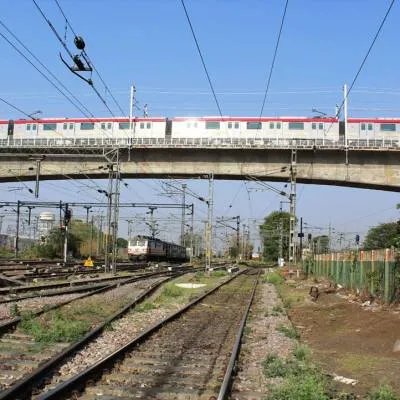
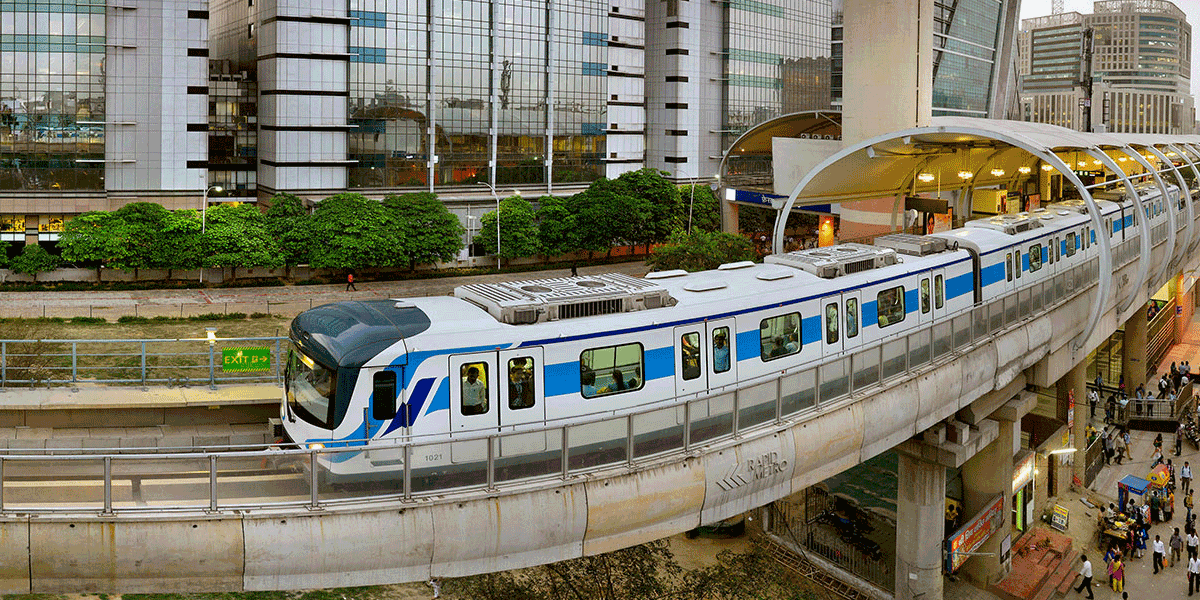
Gurugram's efforts to enhance public transit face significant challenges, impeding the city's progress in this critical area. Despite initial plans for an extensive expansion, the project appears to be stuck in second gear.

The envisioned improvements aimed to alleviate the growing congestion and enhance the overall efficiency of the public transportation system in Gurugram. However, various issues, ranging from bureaucratic hurdles to funding constraints, have hindered the timely execution of these plans.

One major setback is the bureaucratic red tape that has slowed down the approval processes for key projects. Additionally, financial constraints and disputes over funding sources have further complicated the situation, leaving many proposed initiatives in limbo.

Local residents express frustration with the slow pace of improvements, emphasizing the urgent need for a more efficient and expanded public transit system. The delays not only affect the daily commute of thousands but also contribute to increased traffic congestion and environmental concerns.

As Gurugram grapples with these challenges, stakeholders are calling for a concerted effort to overcome the obstacles and expedite the implementation of crucial public transit projects. The city's future development and the well-being of its residents hinge on the successful resolution of these issues and the realization of a more robust and accessible transportation network.

Gurugram's efforts to enhance public transit face significant challenges, impeding the city's progress in this critical area. Despite initial plans for an extensive expansion, the project appears to be stuck in second gear. The envisioned improvements aimed to alleviate the growing congestion and enhance the overall efficiency of the public transportation system in Gurugram. However, various issues, ranging from bureaucratic hurdles to funding constraints, have hindered the timely execution of these plans. One major setback is the bureaucratic red tape that has slowed down the approval processes for key projects. Additionally, financial constraints and disputes over funding sources have further complicated the situation, leaving many proposed initiatives in limbo. Local residents express frustration with the slow pace of improvements, emphasizing the urgent need for a more efficient and expanded public transit system. The delays not only affect the daily commute of thousands but also contribute to increased traffic congestion and environmental concerns. As Gurugram grapples with these challenges, stakeholders are calling for a concerted effort to overcome the obstacles and expedite the implementation of crucial public transit projects. The city's future development and the well-being of its residents hinge on the successful resolution of these issues and the realization of a more robust and accessible transportation network.

Next Story
Infrastructure Urban

Implementation Status of Jal Jeevan Mission

Since August 2019 the Government has implemented Jal Jeevan Mission to provide assured potable water through household tap connections in rural India. At the start of the mission only 32.3 million (mn) rural households, representing 16.7 per cent, were reported to have tap water connections. States and union territories have reported that 125.8 mn additional rural households have since been provided with tap connections. As a result, of about 193.6 mn rural households roughly 158.2 mn, or 81.71 per cent, are reported to have tap water supply at home.\n\nThe State, district and village level st..

Next Story
Infrastructure Urban

Jal Jeevan Mission Reaches Eighty One Per Cent Rural Coverage

The Government reported substantial progress under the Jal Jeevan Mission, launched in August 2019 to provide tap water to every rural household. At launch only 32.3 million (mn) rural households had tap connections and states and Union territories reported provision of 125.8 mn additional households by March 2026. Consequently, out of about 193.6 mn rural households around 158.2 mn, or 81.71 per cent, are reported to have tap water at home. The Finance Minister announced extension of the mission until 2028 in the 2025-26 budget speech. The Swachh Bharat Mission Grameen, launched in October 20..

Next Story
Infrastructure Urban

Empowering Local Governance for Sustainable Rural Water Supply

The Ministry of Jal Shakti has aligned the Jal Jeevan Mission (JJM) with the 73rd Amendment to strengthen village level planning and community ownership of water supply. Gram Panchayats, village water and sanitation committees and Pani Samitis are to plan, implement, manage and maintain piped water systems, with gram sabha processes formalising handover and oversight. Implementation support agencies including non government organisations, community based organisations and self help groups have been empanelled to train local committees and promote women participation. Under JJM, the department ..

Advertisement

Subscribe to Our Newsletter

Get daily newsletters around different themes from Construction world.

STAY CONNECTED

Advertisement

Advertisement

Advertisement