Indian Railways Pushes Electrification And Green Traction
RAILWAYS & METRO RAIL

Indian Railways Pushes Electrification And Green Traction

Indian Railways is accelerating the modernisation of its infrastructure and rolling stock through the adoption of advanced technologies to improve safety, punctuality, reliability and passenger comfort, while significantly reducing its carbon footprint.

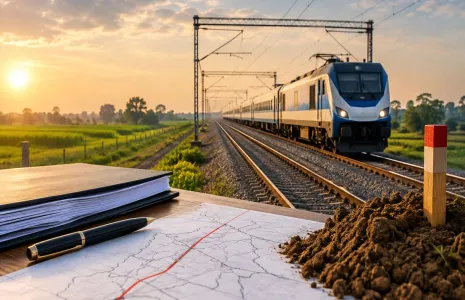
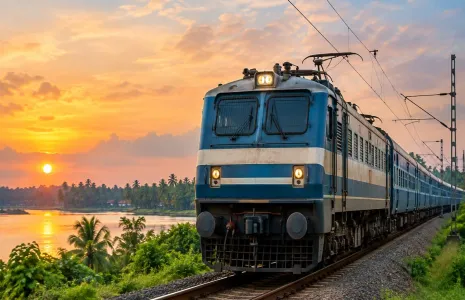
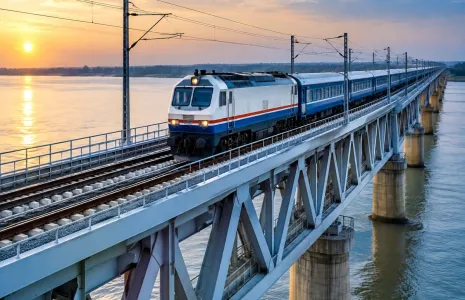
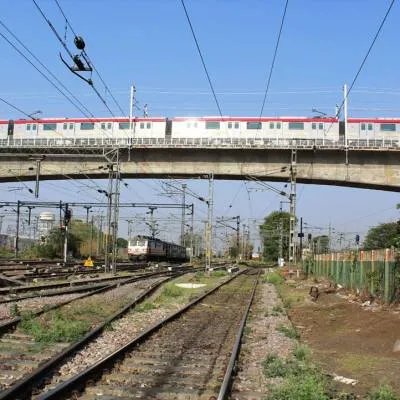
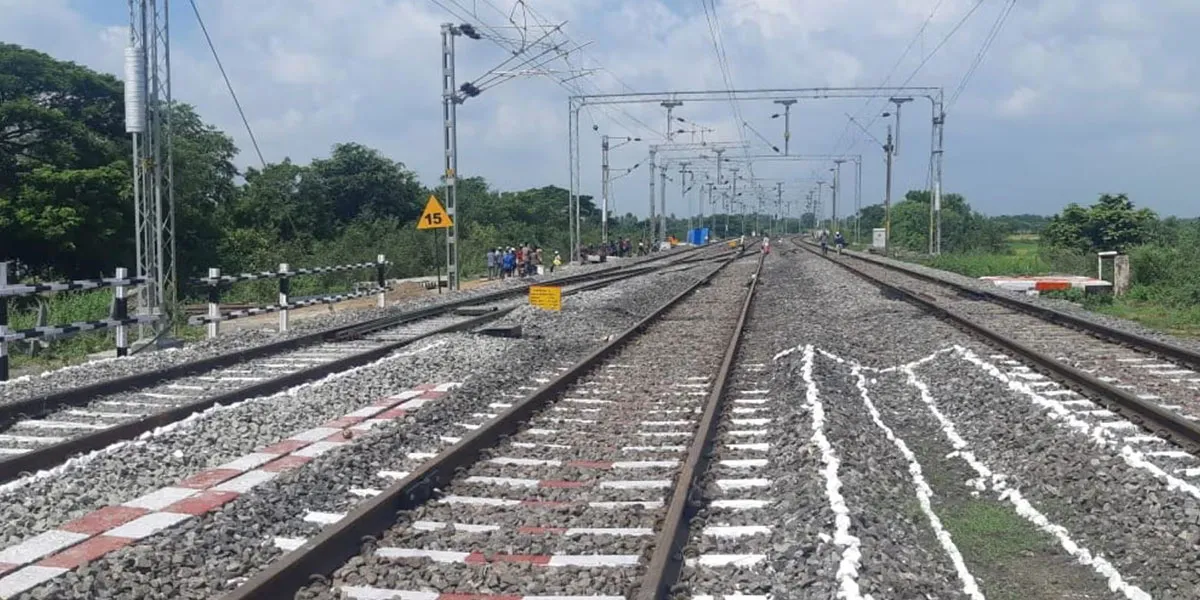
With large-scale electrification of the rail network, the use of coal-based and diesel locomotives has declined sharply. Electrification has been taken up in mission mode, with around 99.2 per cent of the Broad Gauge network already electrified. Work on the remaining sections is currently underway.

Railway data show that before 2014, over a span of about 60 years, electrification covered 21,801 route kilometres. Between 2014 and 2025, electrification expanded rapidly to 46,900 route kilometres, reflecting the pace of network modernisation over the past decade.

Indian Railways is also manufacturing and commissioning state-of-the-art three-phase IGBT-based electric locomotives. These locomotives feature regenerative braking systems, enabling them to recover part of the energy used during braking, making them more energy-efficient.

Coal-fired steam locomotives are now limited to heritage usage and are operated on UNESCO-recognised mountain railways, seasonal steam-hauled services and chartered trains in association with IRCTC, preserving their historical value.

To further reduce emissions, Indian Railways plans to progressively meet its traction power requirements through renewable energy sources, including solar, wind and other clean energy options, under a strategic power procurement framework. As of November 2025, around 812 MW of solar capacity and about 93 MW of wind power capacity have been commissioned to meet traction demand. In addition, 100 MW of renewable power under round-the-clock mode has begun supplying traction power through arrangements with the Solar Energy Corporation of India.

A further 1,500 MW of renewable capacity under round-the-clock mode has been tied up to support traction needs. This hybrid solution combines solar, wind and energy storage components to ensure reliability.

During 2023–24, Indian Railways spent Rs 296.14 billion on traction, covering all forms of traction energy. The organisation has also launched a pilot project to operate its first hydrogen-powered train, developed as per specifications set by the Research, Design and Standards Organisation. The initiative underlines Indian Railways’ commitment to alternative energy technologies and cleaner transport solutions.

As part of its broader strategy to achieve net zero carbon emissions by 2030, Indian Railways aims to progressively shift its traction energy mix towards renewable sources, reducing dependence on fossil fuels and lowering overall emissions. The details were shared by Union Minister for Railways Ashwini Vaishnaw in a written reply to the Lok Sabha.

Indian Railways is accelerating the modernisation of its infrastructure and rolling stock through the adoption of advanced technologies to improve safety, punctuality, reliability and passenger comfort, while significantly reducing its carbon footprint. With large-scale electrification of the rail network, the use of coal-based and diesel locomotives has declined sharply. Electrification has been taken up in mission mode, with around 99.2 per cent of the Broad Gauge network already electrified. Work on the remaining sections is currently underway. Railway data show that before 2014, over a span of about 60 years, electrification covered 21,801 route kilometres. Between 2014 and 2025, electrification expanded rapidly to 46,900 route kilometres, reflecting the pace of network modernisation over the past decade. Indian Railways is also manufacturing and commissioning state-of-the-art three-phase IGBT-based electric locomotives. These locomotives feature regenerative braking systems, enabling them to recover part of the energy used during braking, making them more energy-efficient. Coal-fired steam locomotives are now limited to heritage usage and are operated on UNESCO-recognised mountain railways, seasonal steam-hauled services and chartered trains in association with IRCTC, preserving their historical value. To further reduce emissions, Indian Railways plans to progressively meet its traction power requirements through renewable energy sources, including solar, wind and other clean energy options, under a strategic power procurement framework. As of November 2025, around 812 MW of solar capacity and about 93 MW of wind power capacity have been commissioned to meet traction demand. In addition, 100 MW of renewable power under round-the-clock mode has begun supplying traction power through arrangements with the Solar Energy Corporation of India. A further 1,500 MW of renewable capacity under round-the-clock mode has been tied up to support traction needs. This hybrid solution combines solar, wind and energy storage components to ensure reliability. During 2023–24, Indian Railways spent Rs 296.14 billion on traction, covering all forms of traction energy. The organisation has also launched a pilot project to operate its first hydrogen-powered train, developed as per specifications set by the Research, Design and Standards Organisation. The initiative underlines Indian Railways’ commitment to alternative energy technologies and cleaner transport solutions. As part of its broader strategy to achieve net zero carbon emissions by 2030, Indian Railways aims to progressively shift its traction energy mix towards renewable sources, reducing dependence on fossil fuels and lowering overall emissions. The details were shared by Union Minister for Railways Ashwini Vaishnaw in a written reply to the Lok Sabha.

Next Story
Infrastructure Transport

East Vinod Nagar Metro Station Wins NECA 2025 Honour

East Vinod Nagar Metro Station on Delhi Metro’s Pink Line has been named the “Best Performing Unit” in the metro stations category at the National Energy Conservation Awards (NECA) 2025, recognising its excellence in energy efficiency and conservation practices. The award was presented by President Droupadi Murmu at a ?????? held at Vigyan Bhawan on the occasion of National Energy Conservation Day. The recognition highlights Delhi Metro’s continued focus on sustainable operations and efficient energy management across its network. Delhi Metro Rail Corporation (DMRC) Managing Director..

Next Story
Infrastructure Transport

DMRC Begins Work On Lajpat Nagar–Saket Phase IV Corridor

The Delhi Metro Rail Corporation (DMRC) has commenced construction on the Lajpat Nagar–Saket G Block corridor under Phase IV, marking the first section beyond the project’s priority corridors where physical work has begun. The elevated corridor forms part of the Golden Line (Line 11) and will feature eight stations: Lajpat Nagar, Andrews Ganj, Greater Kailash-1, Chirag Delhi, Pushpa Bhawan, Saket District Centre, Pushp Vihar and Saket G Block. Once operational, the line is expected to significantly enhance metro connectivity across key parts of South Delhi. According to DMRC, the corrido..

Next Story
Infrastructure Transport

MoPSW Reviews Inland Water Transport Projects In Varanasi

A high-level review meeting chaired by Vijay Kumar, Secretary, Ministry of Ports, Shipping and Waterways (MoPSW), was held in Varanasi to assess the progress of Inland Water Transport (IWT) projects and advance plans to develop the city as a major IWT hub. During the meeting, Kumar reviewed multiple ongoing IWT initiatives, with senior officials from central and state agencies participating to strengthen coordination and accelerate project implementation. In line with the Ministry’s vision for Varanasi, discussions covered the expansion of cargo handling capacity at the Multi-Modal Terminal..

Advertisement

Subscribe to Our Newsletter

Get daily newsletters around different themes from Construction world.

STAY CONNECTED

Advertisement

Advertisement

Advertisement

Advertisement

Open In App