+
Indore Metro Pushes To Extend Priority Corridor By March
RAILWAYS & METRO RAIL

Indore Metro Pushes To Extend Priority Corridor By March

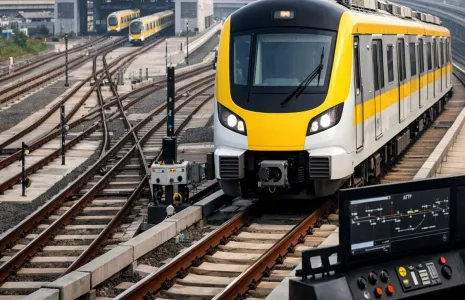
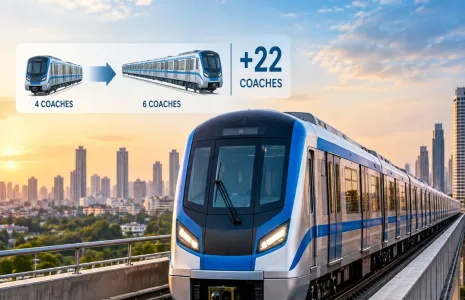
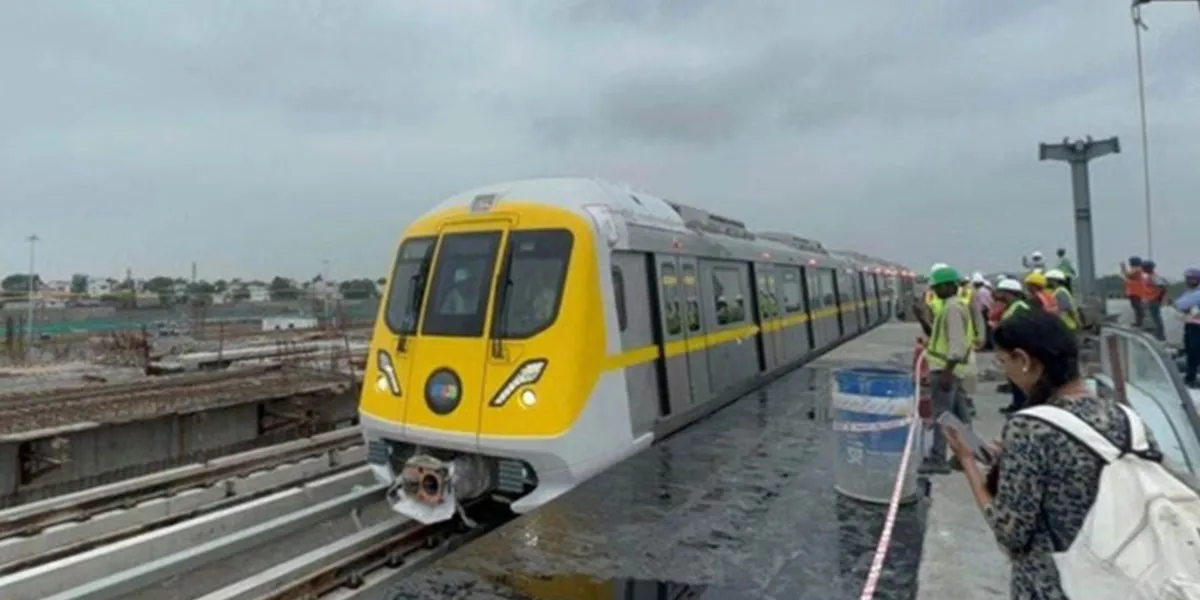
As preparations gather pace for the launch of the Bhopal Metro on 21 December, focus has shifted to Indore, where authorities are racing to expand the city’s early-stage Metro network to improve connectivity and passenger uptake.

The Madhya Pradesh Metro Rail Corporation (MPMRC) is targeting an extension of the operational ‘Super Priority Corridor’ from the current 6 km stretch to a longer 17 km ‘Priority Corridor’ by the end of the ongoing financial year. The expansion is seen as crucial to improving ridership on the existing line between Gandhi Nagar and SC-03 Station, where weekly passenger numbers remain below 500.

Indore Metro recorded around 0.247 million passengers in the first six months after services commenced on 31 May. However, officials said a large share of this traffic was concentrated in the opening month, driven by public curiosity and heavily discounted fares, with usage tapering off thereafter.

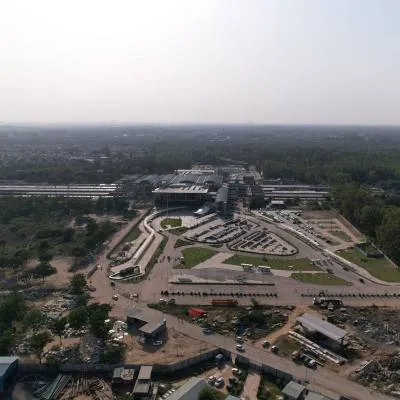
According to officials, construction on the next 11 km section from SC-03 Station to Radisson Square is more than 80 per cent complete. Once operational, the extended corridor is expected to significantly enhance connectivity across key parts of the city and make the Metro a more practical option for daily commuting.

A mandatory safety inspection by the Commissioner of Metro Rail Safety is scheduled for January. Subject to clearance without major conditions, the extended corridor could be opened to commuters by the end of March.

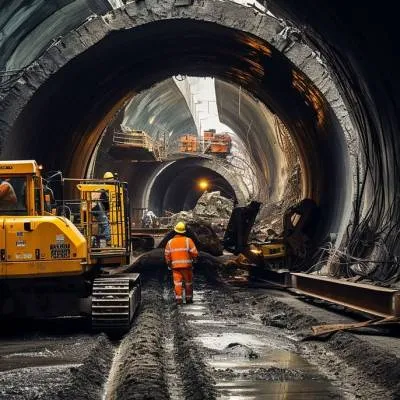
Chief Minister Mohan Yadav is also expected to review the project’s progress, with MPMRC preparing a detailed update on both elevated and underground sections. Among the key issues under consideration is a proposed realignment of the underground stretch between Khajrana and the airport, aimed at reducing demolition and disruption in densely populated areas.

Any change in alignment would require approvals from multiple authorities, including the State Cabinet and the Central Government. Officials said the upcoming review is expected to firm up timelines for commissioning the expanded elevated section, with the emphasis on an early launch in the new year.

As preparations gather pace for the launch of the Bhopal Metro on 21 December, focus has shifted to Indore, where authorities are racing to expand the city’s early-stage Metro network to improve connectivity and passenger uptake. The Madhya Pradesh Metro Rail Corporation (MPMRC) is targeting an extension of the operational ‘Super Priority Corridor’ from the current 6 km stretch to a longer 17 km ‘Priority Corridor’ by the end of the ongoing financial year. The expansion is seen as crucial to improving ridership on the existing line between Gandhi Nagar and SC-03 Station, where weekly passenger numbers remain below 500. Indore Metro recorded around 0.247 million passengers in the first six months after services commenced on 31 May. However, officials said a large share of this traffic was concentrated in the opening month, driven by public curiosity and heavily discounted fares, with usage tapering off thereafter. According to officials, construction on the next 11 km section from SC-03 Station to Radisson Square is more than 80 per cent complete. Once operational, the extended corridor is expected to significantly enhance connectivity across key parts of the city and make the Metro a more practical option for daily commuting. A mandatory safety inspection by the Commissioner of Metro Rail Safety is scheduled for January. Subject to clearance without major conditions, the extended corridor could be opened to commuters by the end of March. Chief Minister Mohan Yadav is also expected to review the project’s progress, with MPMRC preparing a detailed update on both elevated and underground sections. Among the key issues under consideration is a proposed realignment of the underground stretch between Khajrana and the airport, aimed at reducing demolition and disruption in densely populated areas. Any change in alignment would require approvals from multiple authorities, including the State Cabinet and the Central Government. Officials said the upcoming review is expected to firm up timelines for commissioning the expanded elevated section, with the emphasis on an early launch in the new year.

Next Story
Infrastructure Transport

Second Mountain Tunnel Breakthrough in Palghar Advances High Speed Rail

The Mumbai-Ahmedabad high speed rail (MAHSR) project reached a milestone with the breakthrough of a mountain tunnel in Palghar, Maharashtra. Mountain tunnel MT-six measures 454 metres long and 14.4 metres wide and will accommodate up and down tracks. The breakthrough follows MT-five near Saphale on second January 2026 and the MT-six excavation was completed from both ends using the New Austrian Tunnelling Method. The ministry reported that the tunnelling was completed within 12 months. The New Austrian Tunnelling Method is favoured for its flexibility in complex geology and irregular tunnel s..

Next Story
Infrastructure Transport

Modi Government Pushes Atmanirbhar Container Drive With BCSL MoU

The Union Government advanced a plan to create an integrated, domestically anchored container ecosystem with the signing of a Memorandum of Understanding to establish the Bharat Container Shipping Line (BCSL). The MoU was signed by key agencies including the Shipping Corporation of India and Container Corporation of India alongside major port authorities and Sagarmala Finance Corporation Limited under the Ministry of Ports, Shipping and Waterways, in the presence of senior ministers. The initiative aligns with the Container Manufacturing Assistance Scheme announced in the Union Budget 2026–2..

Next Story
Infrastructure Urban

Ministry Reports Gains In Mobility For Marginalised Communities

The Ministry of Social Justice and Empowerment is implementing skill development, education and rehabilitation schemes to promote socio-economic mobility and sustainable livelihoods for marginalised and disadvantaged communities across the country. Programmes target Scheduled Castes, Other Backward Classes, Economically Weaker Sections, De-notified Tribes and Safai Karamcharis through specialised implementing corporations and empanelled training institutes. Pradhan Mantri Dakshata Aur Kushalta Sampann Hitgrahi Yojana, or PM-DAKSH, provided skill training and placement support through the Nati..

Advertisement

Subscribe to Our Newsletter

Get daily newsletters around different themes from Construction world.

STAY CONNECTED

Advertisement

Advertisement

Advertisement

Open In App