Kolkata Metro Begins Trial Runs
RAILWAYS & METRO RAIL

Kolkata Metro Begins Trial Runs

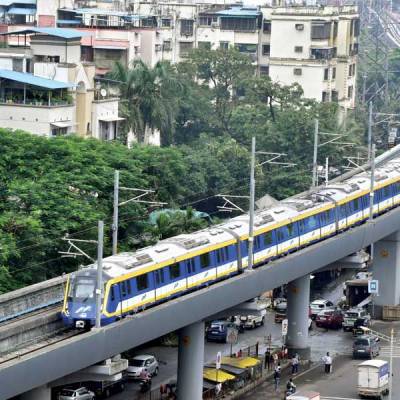
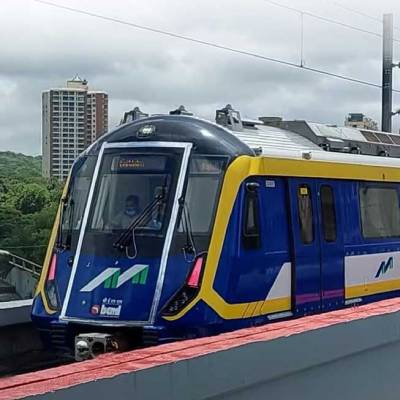
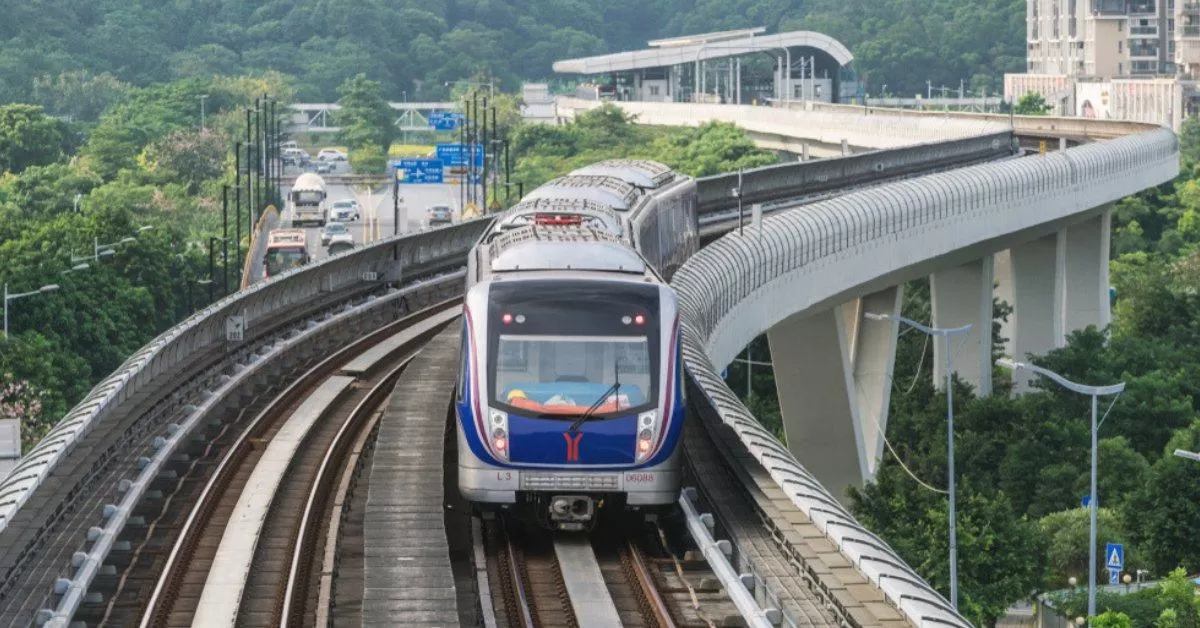
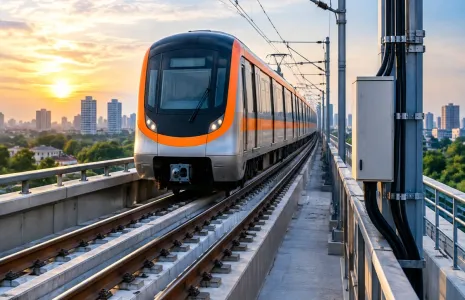
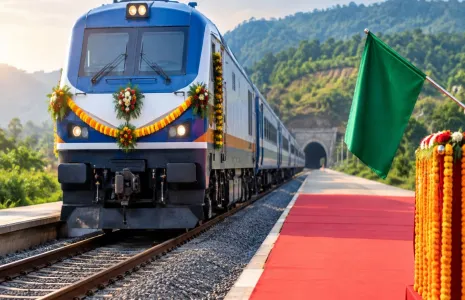
Kolkata Metro, one of India's oldest metro systems, is gearing up to commence trial runs along the Ruby to Beleghata stretch. This significant development marks a crucial milestone in the expansion and modernisation efforts of the city's public transportation infrastructure. The project, aimed at enhancing connectivity and reducing congestion, has been eagerly anticipated by residents and commuters alike.

The Ruby to Beleghata stretch, spanning approximately [insert length], is part of the ongoing Phase II expansion project of the Kolkata Metro. This phase aims to extend the metro network further into the city's suburbs, catering to the increasing demand for efficient and sustainable transportation options. With the completion of this stretch, several key areas, including Ruby, Kasba, and Beleghata, will witness improved accessibility and connectivity, thereby facilitating smoother intra-city travel.

The trial runs signify a crucial phase in the project timeline, allowing engineers and authorities to evaluate the operational readiness of the newly constructed infrastructure. During this period, various parameters such as track alignment, signalling systems, and station functionality will be thoroughly tested to ensure compliance with safety standards and operational efficiency. Additionally, the trial runs will provide valuable insights into passenger flow dynamics and potential areas for optimization, enabling authorities to fine-tune operations before the official commencement of services.

The introduction of metro services along the Ruby to Beleghata stretch holds immense promise for the residents of Kolkata. Beyond offering a convenient mode of transportation, the metro system is expected to have far-reaching socio-economic benefits. Improved connectivity is anticipated to stimulate economic growth by facilitating easier access to commercial hubs, educational institutions, and healthcare facilities. Moreover, by promoting sustainable travel practices, the metro will contribute to mitigating traffic congestion and reducing carbon emissions, aligning with broader environmental sustainability goals.

As Kolkata Metro embarks on this pivotal phase of its expansion journey, it underscores the city's commitment to embracing modern infrastructure solutions to address urban mobility challenges. With its rich history and cultural heritage, Kolkata stands poised to embrace the future while preserving its unique identity. The commencement of trial runs along the Ruby to Beleghata stretch represents a significant step towards realising this vision, promising enhanced connectivity, convenience, and quality of life for its residents.

Kolkata Metro, one of India's oldest metro systems, is gearing up to commence trial runs along the Ruby to Beleghata stretch. This significant development marks a crucial milestone in the expansion and modernisation efforts of the city's public transportation infrastructure. The project, aimed at enhancing connectivity and reducing congestion, has been eagerly anticipated by residents and commuters alike. The Ruby to Beleghata stretch, spanning approximately [insert length], is part of the ongoing Phase II expansion project of the Kolkata Metro. This phase aims to extend the metro network further into the city's suburbs, catering to the increasing demand for efficient and sustainable transportation options. With the completion of this stretch, several key areas, including Ruby, Kasba, and Beleghata, will witness improved accessibility and connectivity, thereby facilitating smoother intra-city travel. The trial runs signify a crucial phase in the project timeline, allowing engineers and authorities to evaluate the operational readiness of the newly constructed infrastructure. During this period, various parameters such as track alignment, signalling systems, and station functionality will be thoroughly tested to ensure compliance with safety standards and operational efficiency. Additionally, the trial runs will provide valuable insights into passenger flow dynamics and potential areas for optimization, enabling authorities to fine-tune operations before the official commencement of services. The introduction of metro services along the Ruby to Beleghata stretch holds immense promise for the residents of Kolkata. Beyond offering a convenient mode of transportation, the metro system is expected to have far-reaching socio-economic benefits. Improved connectivity is anticipated to stimulate economic growth by facilitating easier access to commercial hubs, educational institutions, and healthcare facilities. Moreover, by promoting sustainable travel practices, the metro will contribute to mitigating traffic congestion and reducing carbon emissions, aligning with broader environmental sustainability goals. As Kolkata Metro embarks on this pivotal phase of its expansion journey, it underscores the city's commitment to embracing modern infrastructure solutions to address urban mobility challenges. With its rich history and cultural heritage, Kolkata stands poised to embrace the future while preserving its unique identity. The commencement of trial runs along the Ruby to Beleghata stretch represents a significant step towards realising this vision, promising enhanced connectivity, convenience, and quality of life for its residents.

Next Story
Infrastructure Transport

MMRDA Removes 1.14 lakh m of Metro Barricades

In a bid to ease congestion and improve urban mobility during monsoon, MMRDA has undertaken one of the largest coordinated barricade removal and monsoon preparedness drives across its ongoing metro and infrastructure projects.With substantial progress achieved in viaduct and structural works across multiple metro corridors, barricades from completed stretches beneath metro viaducts are being systematically removed, restoring maximum possible road space before the monsoon. Wider carriageways across key arterial roads are expected to improve traffic flow, reduce congestion, support better rainwa..

Next Story
Infrastructure Transport

Pune Division to Remove All Diamond Crossings by Year-End

The Pune railway division has announced plans to remove all 16 diamond crossings by the end of 2026 as part of a major yard remodelling project following the derailment of a Vande Bharat Express at Pune Junction on April 27. Railway authorities said the replacements aim to improve safety and streamline train operations across the busy station. The decision followed a Central Railway finding that the accident involved a non-standard diamond crossing and highlighted the need for replacement. Regular maintenance of existing crossings will continue until the replacement work is completed. Official..

Next Story
Infrastructure Urban

Goa Declares 80 Million Square Metres No Development Zone

The Goa state government has declared 80 million square metres (mn) of land a no development zone, designating the area as protected from new construction. The notification reclassifies tracts across the state under a no development category for planning and regulatory purposes. The declaration signals a formal halt to new building permits within the defined zone. Authorities indicated that maps will be issued to show broad boundaries while detailed surveys will refine precise limits. The move transfers responsibility for enforcement to local planning authorities and relevant departments, whic..

Advertisement

Subscribe to Our Newsletter

Get daily newsletters around different themes from Construction world.

STAY CONNECTED

Advertisement

Advertisement

Advertisement