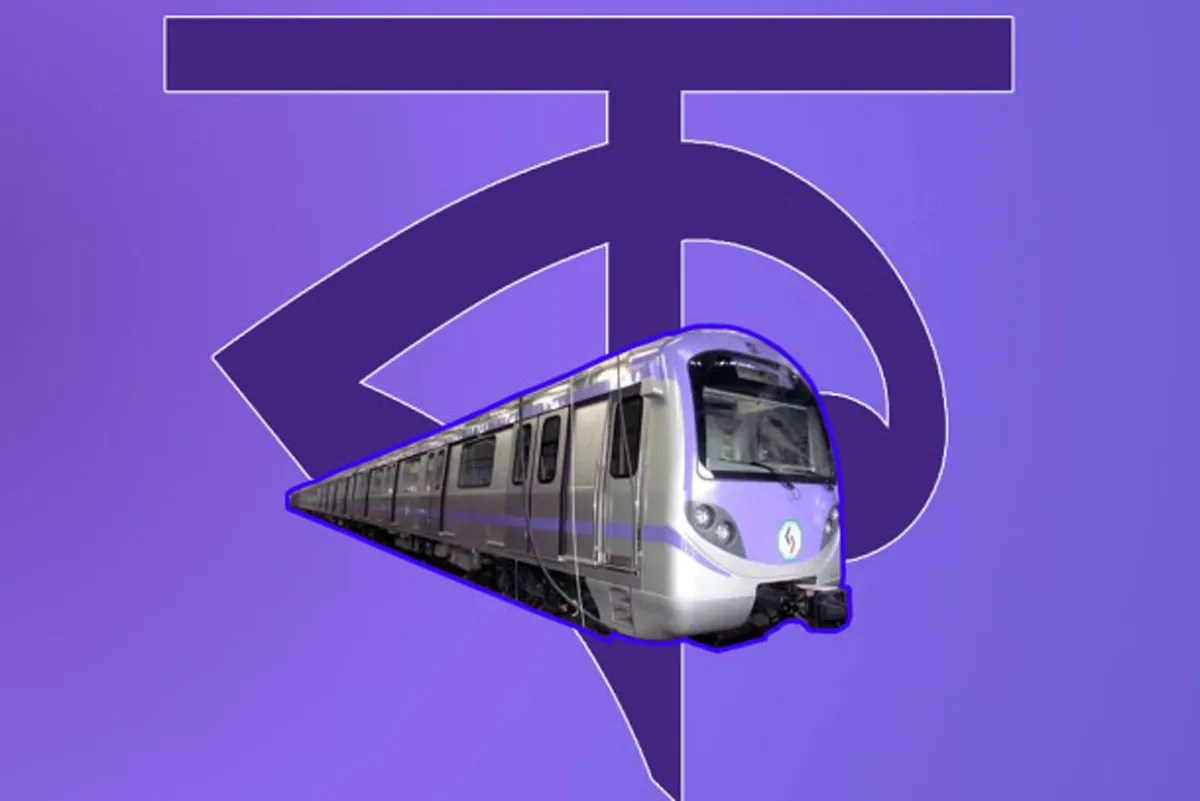
Kolkata Metro To Add Seven New Substations On Blue Line
RAILWAYS & METRO RAIL

Kolkata Metro To Add Seven New Substations On Blue Line

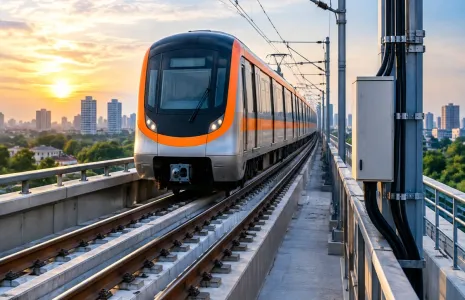
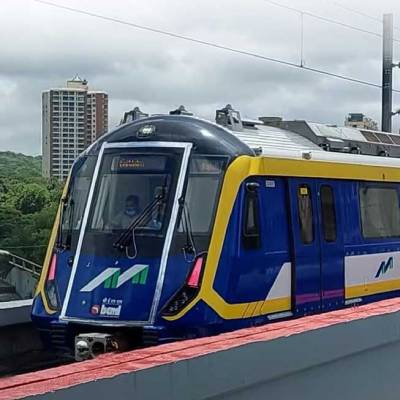
Kolkata Metro is set for a major infrastructure upgrade, with plans to install seven new traction substations along the Blue Line between Dakshineswar and Sahid Khudiram (Birji). The initiative aims to strengthen power supply, improve operational efficiency and enhance passenger comfort on India’s oldest metro corridor.

According to reports, the substations will be located at Kalighat, Netaji Bhawan, Maidan, Esplanade, MG Road, Sovabazar–Sutanuti, and between Belgachia and Shyambazar. Once completed, the Blue Line will have a traction substation at every station, mirroring the configuration of the newer Purple Line (Joka–Majerhat) and Orange Line (Kavi Subhas–Beleghata).

Additional upgrades are under way, with two more substations planned at Chandni Chowk and Geetanjali (Naktala). These are expected to ease bottlenecks, particularly the congestion of rakes between Esplanade and Central stations.

A Kolkata Metro spokesperson said the Chandni Chowk substation would significantly reduce operational delays on this busy stretch.

The network’s tunnel and station cooling systems are also being modernised. Earlier, tunnels were kept cool because trains were non-air-conditioned. With the fleet now fully air-conditioned, the Metro is transitioning to a modern Tunnel Ventilation System (TVS) that supports advanced fire and smoke extraction.

Previously, mechanical ventilation relied on 110 kW centrifugal fans operating round the clock at fourteen midpoint locations, costing around Rs 210 million per year. Energy-efficient upgrades introduced in 2021–22 halved this power consumption. The ageing fans will now be replaced by axial units capable of operating for two hours even at 250°C, with automatic activation triggered by temperature, smoke or CO? levels.

A Japanese subsidiary has been contracted to implement the environmental control upgrades, and engineers have already inspected installations at Jatin Das Park.

The project is expected to significantly strengthen fire safety and reduce carbon emissions by 12,300 metric tonnes annually.

Kolkata Metro is set for a major infrastructure upgrade, with plans to install seven new traction substations along the Blue Line between Dakshineswar and Sahid Khudiram (Birji). The initiative aims to strengthen power supply, improve operational efficiency and enhance passenger comfort on India’s oldest metro corridor. According to reports, the substations will be located at Kalighat, Netaji Bhawan, Maidan, Esplanade, MG Road, Sovabazar–Sutanuti, and between Belgachia and Shyambazar. Once completed, the Blue Line will have a traction substation at every station, mirroring the configuration of the newer Purple Line (Joka–Majerhat) and Orange Line (Kavi Subhas–Beleghata). Additional upgrades are under way, with two more substations planned at Chandni Chowk and Geetanjali (Naktala). These are expected to ease bottlenecks, particularly the congestion of rakes between Esplanade and Central stations. A Kolkata Metro spokesperson said the Chandni Chowk substation would significantly reduce operational delays on this busy stretch. The network’s tunnel and station cooling systems are also being modernised. Earlier, tunnels were kept cool because trains were non-air-conditioned. With the fleet now fully air-conditioned, the Metro is transitioning to a modern Tunnel Ventilation System (TVS) that supports advanced fire and smoke extraction. Previously, mechanical ventilation relied on 110 kW centrifugal fans operating round the clock at fourteen midpoint locations, costing around Rs 210 million per year. Energy-efficient upgrades introduced in 2021–22 halved this power consumption. The ageing fans will now be replaced by axial units capable of operating for two hours even at 250°C, with automatic activation triggered by temperature, smoke or CO? levels. A Japanese subsidiary has been contracted to implement the environmental control upgrades, and engineers have already inspected installations at Jatin Das Park. The project is expected to significantly strengthen fire safety and reduce carbon emissions by 12,300 metric tonnes annually.

Next Story
Infrastructure Urban

BMC Begins Rs 660-Mn Project to Revive Powai Lake Ecosystem

The Brihanmumbai Municipal Corporation (BMC) has launched a Rs 660-million restoration initiative aimed at improving the ecological health of Powai Lake. The project focuses on diverting sewage inflow, establishing a modern sewage treatment plant (STP), and expanding the removal of water hyacinth, which has increasingly overwhelmed the lake’s surface in recent months. The civic body has set an 18-month deadline for completing the works.According to officials, the rapid spread of hyacinth is directly linked to untreated sewage entering the lake, providing a nutrient-rich environment for the i..

Next Story
Infrastructure Transport

Foundation Laid for Rs 500 Mn Four-lane Road Project in Nalgonda

Roads & Buildings Minister Komatireddy Venkat Reddy inaugurated a major infrastructure initiative in Nalgonda by laying the foundation stone for a Rs 500 million four-lane road project within the town’s municipal limits. The project aims to enhance mobility and ease congestion along a key stretch of the Mahbubnagar–Nalgonda corridor.The new four-lane road will run from the Nagarjunasagar ‘X’ Roads to the Darveshipuram Yellamma Temple, featuring a central median and integrated central lighting to improve road safety and night-time visibility. According to the minister, construction ..

Next Story
Infrastructure Transport

Maharashtra Clears DPR for 55 Km Uttan–Virar Sea Link Project

The Maharashtra government has approved the Detailed Project Report (DPR) for the Uttan–Virar Sea Link (UVSL), a major infrastructure project that will extend Mumbai’s coastal mobility network and complete the city’s envisioned ring road. Designed as an eight-lane, high-speed corridor, the project will span a total length of 55.12 km, including a 24.35 km sea bridge between Uttan and Virar and close to 31 km of approach roads.According to the DPR, the approach road network will include a 9.32 km connecting stretch at Uttan, a 2.5 km link at Vasai, and an 18.95 km road at Virar. The proje..

Advertisement

Subscribe to Our Newsletter

Get daily newsletters around different themes from Construction world.

STAY CONNECTED

Advertisement

Advertisement

Advertisement

Get CW App