Mumbai Surpasses 100 km Metro Network, Overtakes Bengaluru
RAILWAYS & METRO RAIL

Mumbai Surpasses 100 km Metro Network, Overtakes Bengaluru

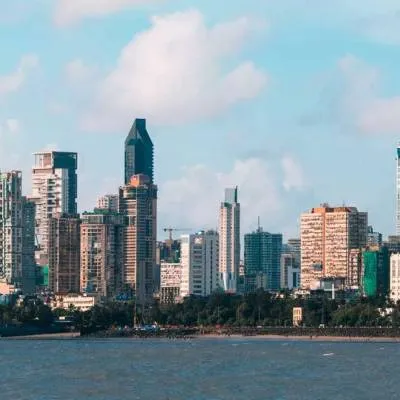
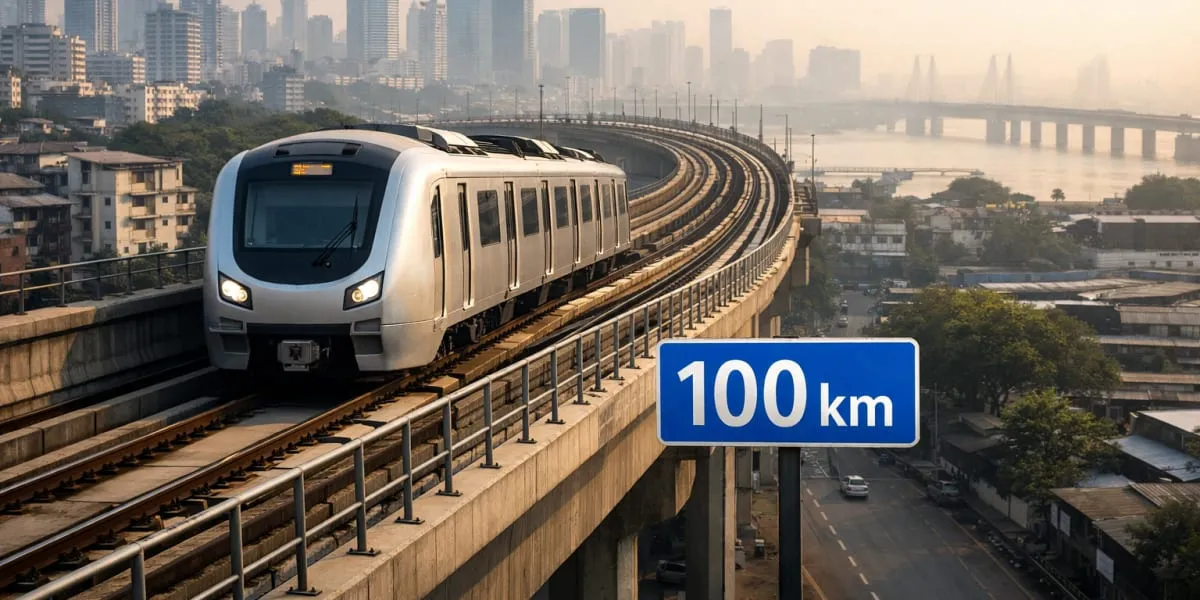
Mumbai has moved to the second position in India for operational metro network length after recent additions pushed its total beyond 100 km, overtaking Bengaluru. The advance followed the commissioning of new stretches on Line nine and Line two B, which have strengthened links across Thane and the eastern suburbs. The expansion reflects accelerated execution across multiple corridors as authorities seek to improve urban connectivity.

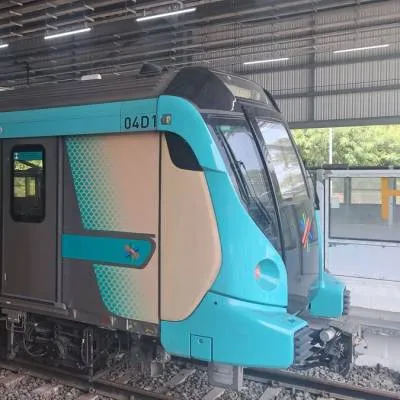
The Dahisar Kashigaon stretch on Line nine extended metro access towards the Mira-Bhayandar region while the initial section of Line two B between Mandale and Diamond Garden reinforced connectivity in the eastern suburbs. Together these additions contributed close to 10 km to the network, enabling Mumbai to cross the 100 km milestone. The growth is intended to ease pressure on suburban rail and road traffic by offering additional rapid transit capacity.

Bengaluru's Namma Metro has moved to third place, with an operational network of around 96 km served by 83 stations. Over the past year the city added nearly 19 km, largely through progress on the Yellow Line, but delays in execution and rolling stock availability have slowed the pace of openings. The Yellow Line in particular required nearly three years longer than expected to become operational, affecting service frequency and train availability during peak hours.

The pressure on Bengaluru's transport system has increased as vehicle registrations crossed 12.5 million (12.5 mn), with thousands of new vehicles being added daily and making timely metro expansion more critical. Bengaluru Metro Rail Corporation Limited is working on several corridors, with a seven km stretch of the Pink Line expected by mid-2026 and a section of the Blue Line between Silk Board and KR Pura targeted by the end of 2026, while airport connectivity has been pushed to 2027. Once these phases are completed the network is expected to expand to around 175 km. Delhi remains the largest metro network in the country and continues to lead in operational length and coverage.

Mumbai has moved to the second position in India for operational metro network length after recent additions pushed its total beyond 100 km, overtaking Bengaluru. The advance followed the commissioning of new stretches on Line nine and Line two B, which have strengthened links across Thane and the eastern suburbs. The expansion reflects accelerated execution across multiple corridors as authorities seek to improve urban connectivity. The Dahisar Kashigaon stretch on Line nine extended metro access towards the Mira-Bhayandar region while the initial section of Line two B between Mandale and Diamond Garden reinforced connectivity in the eastern suburbs. Together these additions contributed close to 10 km to the network, enabling Mumbai to cross the 100 km milestone. The growth is intended to ease pressure on suburban rail and road traffic by offering additional rapid transit capacity. Bengaluru's Namma Metro has moved to third place, with an operational network of around 96 km served by 83 stations. Over the past year the city added nearly 19 km, largely through progress on the Yellow Line, but delays in execution and rolling stock availability have slowed the pace of openings. The Yellow Line in particular required nearly three years longer than expected to become operational, affecting service frequency and train availability during peak hours. The pressure on Bengaluru's transport system has increased as vehicle registrations crossed 12.5 million (12.5 mn), with thousands of new vehicles being added daily and making timely metro expansion more critical. Bengaluru Metro Rail Corporation Limited is working on several corridors, with a seven km stretch of the Pink Line expected by mid-2026 and a section of the Blue Line between Silk Board and KR Pura targeted by the end of 2026, while airport connectivity has been pushed to 2027. Once these phases are completed the network is expected to expand to around 175 km. Delhi remains the largest metro network in the country and continues to lead in operational length and coverage.

Next Story
Infrastructure Energy

Power Mech Enters Urban Mobility With Rs 2.96 bn Mumbai Monorail Contract

Power Mech said it has secured a contract worth Rs 2.96 billion (Rs 2.96 bn) to deliver work on the Mumbai Monorail, marking the company's formal entry into urban mobility. The award was described as a significant contract for the firm and follows its focus on infrastructure projects. Shares of the company rose on the announcement as investors reacted to the new order. The contract will expand Power Mech's engineering and construction portfolio into urban transit systems and provides the company with exposure to the fast growing urban mobility segment in metropolitan areas. The work is expecte..

Next Story
Infrastructure Urban

Yogi Orders Expert Panel On Smart Meter Overbilling

The Uttar Pradesh chief minister ordered the formation of an expert panel to investigate widespread complaints of overbilling linked to newly installed smart meters. The panel was instructed to review meter data, examine installation practices and identify technical or procedural causes behind discrepancies in consumer bills. The state energy department was asked to prioritise the inquiry and to coordinate with distribution companies to ensure rapid access to required records and equipment. The committee was directed to conduct technical audits of meters and to establish whether faults, calibr..

Next Story
Infrastructure Energy

Power Firms Seek Relaxation Of HERC Fuel Surcharge Rules

Uttar Haryana Bijli Vitran Nigam (UHBVN) and Dakshin Haryana Bijli Vitran Nigam (DHBVN) have approached the Haryana Electricity Regulatory Commission (HERC) seeking relaxation of rules that govern recovery of fuel and power purchase costs. The distribution companies have filed petitions proposing amendments to Regulation sixty eight of the Multi-Year Tariff (MYT) Regulations, 2024 for financial year 2025-26, and have asked the regulator to consider alternative recovery mechanisms to the current monthly arrangement. Under the existing framework, additional costs arising from fuel and power purc..

Advertisement

Subscribe to Our Newsletter

Get daily newsletters around different themes from Construction world.

STAY CONNECTED

Advertisement

Advertisement

Advertisement