Pune civic body gets DPR of Neo Metro from MahaMetro
RAILWAYS & METRO RAIL

Pune civic body gets DPR of Neo Metro from MahaMetro

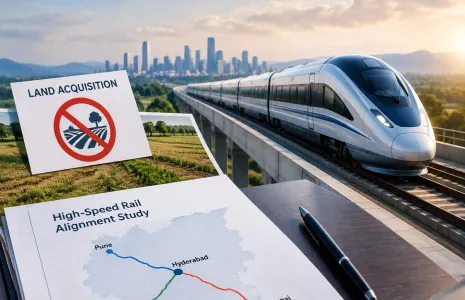
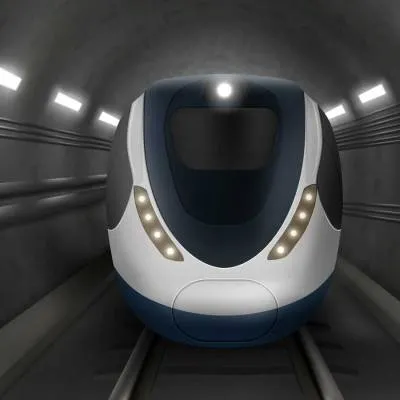
Pune residents will in the near future have access to the ultra-modern, high-speed Neo Metro service throughout the city, as the Pune Municipal Corporation has received a detailed project report (DPR) of the neo metro from the Maharashtra Metro Rail Corporation Ltd (MahaMetro).

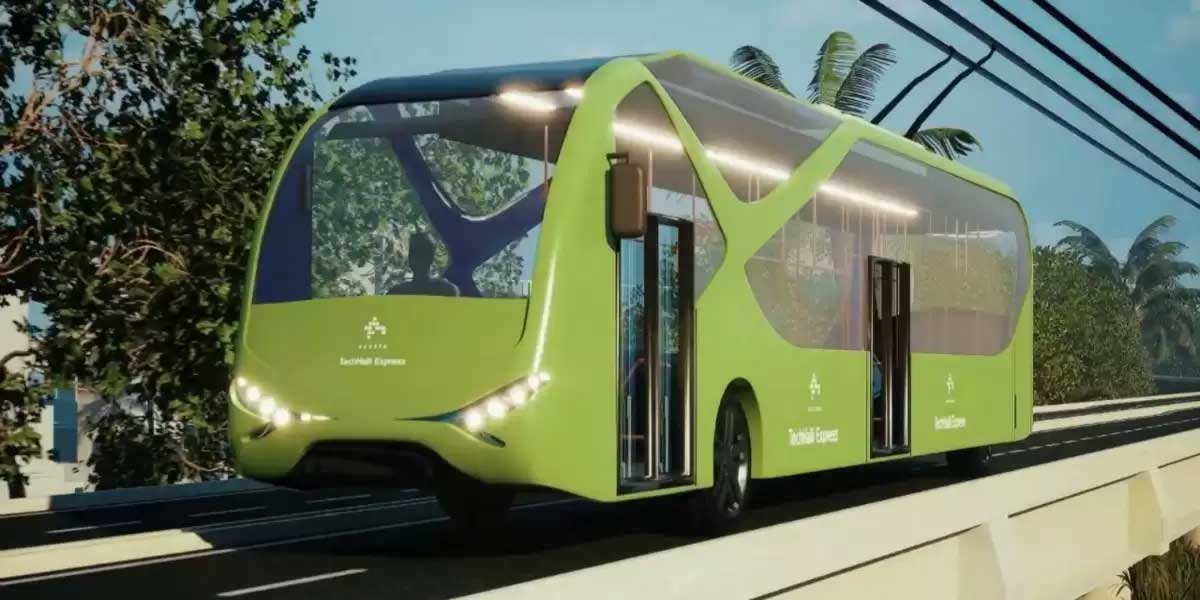
Neo Metro is a mass rapid transit system that offers affordable, environment-friendly and energy-efficient urban transportation solutions for Tier 2 and Tier 3 cities. It will travel at a speed of 90 km/h and have a carrying capacity that is three to five times greater than that of public buses.

Pune’s Neo Metro will travel a 43.84 km span of the city on an elevated platform. There will be 45 stations. The project is expected to get under way by December of this year and will be finished by 2028-2029, officials said. The project’s anticipated cost is Rs 49.40 billion.

The civic organization contacted Maha Metro about transforming the proposed High Capacity Mass Transit Route (HCMTR) into a Neo Metro project, said managing director MD Brijesh Dixit.

According to reports, the Pune project may get momentum only after the Nashik plan starts. The Union cabinet has already given its approval for the 32-km Nashik Neo Metro project. It will be the nation’s first project of its kind if it is implemented quickly.

See also:
Tenders finalised for works on Bengaluru suburban railway
CMRL to extend phase 2 till proposed airport at Parandur


Pune residents will in the near future have access to the ultra-modern, high-speed Neo Metro service throughout the city, as the Pune Municipal Corporation has received a detailed project report (DPR) of the neo metro from the Maharashtra Metro Rail Corporation Ltd (MahaMetro). Neo Metro is a mass rapid transit system that offers affordable, environment-friendly and energy-efficient urban transportation solutions for Tier 2 and Tier 3 cities. It will travel at a speed of 90 km/h and have a carrying capacity that is three to five times greater than that of public buses. Pune’s Neo Metro will travel a 43.84 km span of the city on an elevated platform. There will be 45 stations. The project is expected to get under way by December of this year and will be finished by 2028-2029, officials said. The project’s anticipated cost is Rs 49.40 billion. The civic organization contacted Maha Metro about transforming the proposed High Capacity Mass Transit Route (HCMTR) into a Neo Metro project, said managing director MD Brijesh Dixit. According to reports, the Pune project may get momentum only after the Nashik plan starts. The Union cabinet has already given its approval for the 32-km Nashik Neo Metro project. It will be the nation’s first project of its kind if it is implemented quickly. See also: Tenders finalised for works on Bengaluru suburban railwayCMRL to extend phase 2 till proposed airport at Parandur

Next Story
Infrastructure Transport

Railways Boosts Cyber Security And Fairness In Ticket Bookings

Indian Railways has said its reservation ticketing system is a robust and highly secure IT platform equipped with state-of-the-art cyber security measures. The national transporter has introduced several initiatives to enhance system performance and improve access to regular and tatkal tickets. A key step has been the large-scale revalidation and verification of user accounts. Since January 2025, around 30.2 million suspicious user IDs have been deactivated. Anti-bot tools such as Akamai have been deployed to filter non-genuine users, ensuring smoother booking for legitimate passengers. To c..

Next Story
Infrastructure Transport

Indian Railways Speeds Up Green Transition With Wider Electrification

Indian Railways is accelerating its modernisation drive by upgrading infrastructure and rolling stock with advanced technologies aimed at enhancing safety, punctuality, reliability and passenger comfort. A major focus of this effort is the transition to cleaner traction systems, with a significant reduction in the use of coal-based and diesel engines. Electrification has been taken up in mission mode. As of now, 99.2 per cent of the Broad Gauge (BG) network has been electrified, with the remaining routes under execution. During 2014–25, Railways electrified 46,900 route kilometres, compared..

Next Story
Infrastructure Energy

India Expands Power Capacity To Meet Rising Peak Demand

India has recorded steady growth in peak electricity demand over the past five years, supported by a consistent narrowing of the gap between demand and supply due to substantial additions to national generation capacity. Data show peak demand rising from 190,198 MW in 2020–21 to 249,856 MW in 2024–25, while unmet demand has fallen sharply to almost zero. To meet future requirements, the Government of India has undertaken extensive planning across generation, transmission and renewable energy integration. Generation Planning According to the National Electricity Plan (NEP), India’s ins..

Advertisement

Subscribe to Our Newsletter

Get daily newsletters around different themes from Construction world.

STAY CONNECTED

Advertisement

Advertisement

Advertisement

Advertisement

Open In App