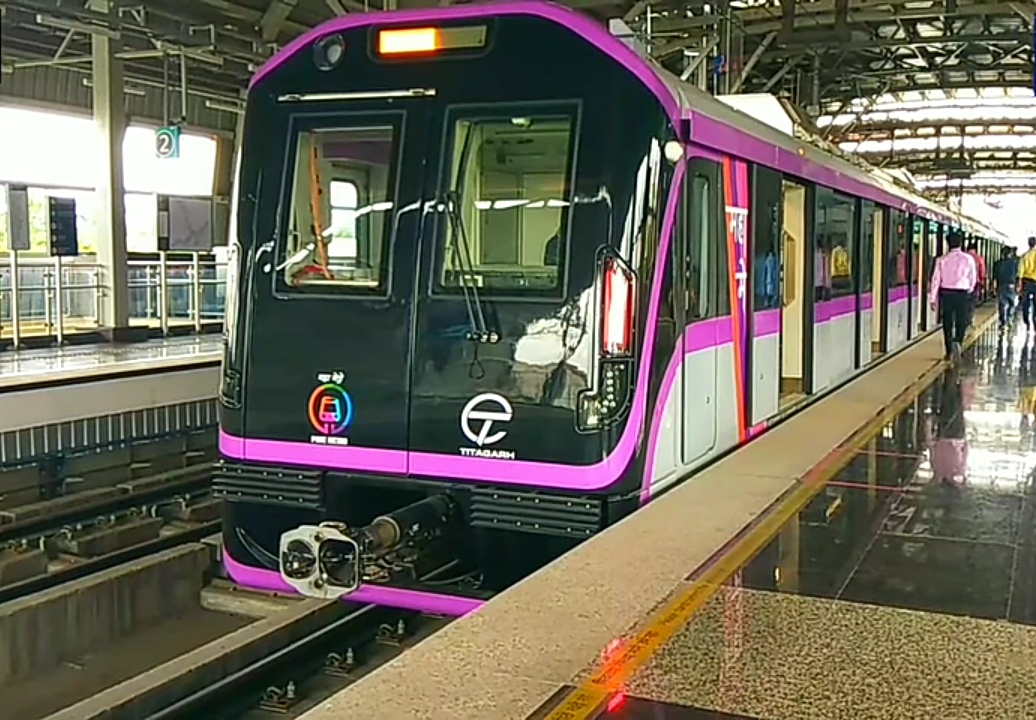
Pune Metro phase 2 approved by PMC for expansion
RAILWAYS & METRO RAIL

Pune Metro phase 2 approved by PMC for expansion

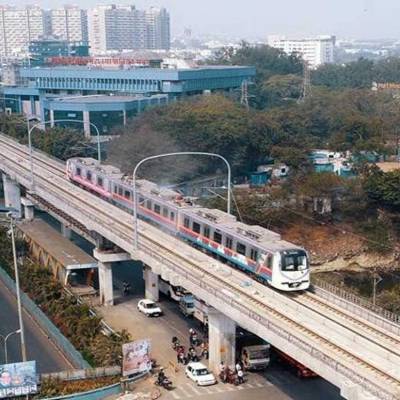
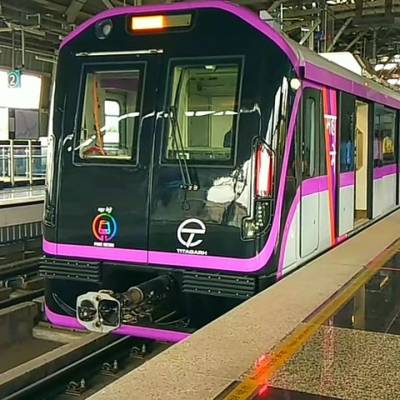
The Pune Metro project is preparing to bring forth a new era of improved connectivity and transportation convenience as Phase 2 obtains approval for its implementation. In a noteworthy development, it has been indicated by the Standing Committee of the Pune Municipal Corporation (PMC) that the ambitious expansion plans of the Pune Metro rail network have received their endorsement. The second phase of the project is anticipated to encompass an extensive stretch of 113.23 kilometers, thereby furthering the urban mobility prospects of the city.

MahaMetro, the driving force propelling the project, has meticulously formulated the detailed project report (DPR) for Phase 2, in which the creation of an extensive network spanning 113.23 km within the city has been outlined.

The approval granted by the PMC includes a pivotal stretch of 25.64 km, which is projected to extend from Khadakwasla to Kharadi, passing through key points like Swargate and Hadapsar. Along this corridor, 22 stations will be established, incorporating significant halts such as Khadakwasla, Dhayari Phata, Hingane Chowk, Swargate North, PCB, Race Course, Hadapsar, among others. It is expected that this route, which traverses from Sinhagad Road to Solapur Road and Nagar Road, will substantially enhance interconnectivity within the city.

Another crucial addition is a route spanning 6.12 km from SNDT via Warje to Manikbaug. This particular stretch will accommodate stations strategically positioned at locations like Paud Phata, Karve Putla, Karve Nagar, Warje, and Daulat Nagar. It will align itself with the metro line that connects Shivajinagar to Pimpri Chinchwad. By bridging the gap between Sinhagad Road and Karve Road and effectively navigating through the city to Nagar Road, this route holds the promise of mitigating the challenges faced by commuters.

The comprehensive plans for Phase 2 also encompass an 11.63 km corridor from Ramwadi to Wagholi, encompassing stations such as Viman Nagar, Tulja Bhavani, Wagholi, and others. Furthermore, an extension spanning 1.12 km from Vanaz to Chandni Chowk, featuring stations like Kharadi Bus Depot, is poised to enhance accessibility for residents residing along the Bangalore-Mumbai Bypass area.


The Pune Metro project is preparing to bring forth a new era of improved connectivity and transportation convenience as Phase 2 obtains approval for its implementation. In a noteworthy development, it has been indicated by the Standing Committee of the Pune Municipal Corporation (PMC) that the ambitious expansion plans of the Pune Metro rail network have received their endorsement. The second phase of the project is anticipated to encompass an extensive stretch of 113.23 kilometers, thereby furthering the urban mobility prospects of the city.MahaMetro, the driving force propelling the project, has meticulously formulated the detailed project report (DPR) for Phase 2, in which the creation of an extensive network spanning 113.23 km within the city has been outlined.The approval granted by the PMC includes a pivotal stretch of 25.64 km, which is projected to extend from Khadakwasla to Kharadi, passing through key points like Swargate and Hadapsar. Along this corridor, 22 stations will be established, incorporating significant halts such as Khadakwasla, Dhayari Phata, Hingane Chowk, Swargate North, PCB, Race Course, Hadapsar, among others. It is expected that this route, which traverses from Sinhagad Road to Solapur Road and Nagar Road, will substantially enhance interconnectivity within the city.Another crucial addition is a route spanning 6.12 km from SNDT via Warje to Manikbaug. This particular stretch will accommodate stations strategically positioned at locations like Paud Phata, Karve Putla, Karve Nagar, Warje, and Daulat Nagar. It will align itself with the metro line that connects Shivajinagar to Pimpri Chinchwad. By bridging the gap between Sinhagad Road and Karve Road and effectively navigating through the city to Nagar Road, this route holds the promise of mitigating the challenges faced by commuters.The comprehensive plans for Phase 2 also encompass an 11.63 km corridor from Ramwadi to Wagholi, encompassing stations such as Viman Nagar, Tulja Bhavani, Wagholi, and others. Furthermore, an extension spanning 1.12 km from Vanaz to Chandni Chowk, featuring stations like Kharadi Bus Depot, is poised to enhance accessibility for residents residing along the Bangalore-Mumbai Bypass area.Taylormade Renewables gets Rs 1.59 bn order from Andhra Pradesh                             India revamping energy codes for sustainable buildings                              

Next Story
Infrastructure Transport

India Becomes First to Produce Bio-Bitumen for Roads

India has become the first country in the world to commercially produce bio-bitumen for use in road construction, according to Road, Transport and Highways Minister Nitin Gadkari. Bitumen, a black and viscous hydrocarbon derived from crude oil, is a key binding material in road building, and the bio-based alternative is expected to significantly improve the sector’s environmental footprint.Addressing the CSIR Technology Transfer Ceremony in New Delhi, Mr Gadkari congratulated Council of Scientific and Industrial Research on achieving the milestone, noting that the initiative would help curb ..

Next Story
Infrastructure Urban

HILT Policy Seen Boosting Telangana Revenue Sharply

The Hyderabad Industrial Land Transformation (HILT) Policy is expected to generate around Rs 1.08 billion in revenue for the Telangana state exchequer, according to Deputy Chief Minister Bhatti Vikramarka Mallu. Speaking in the Telangana Legislative Assembly, he said the policy would be implemented within a six-month timeframe in a transparent manner, with uniform rules applicable to all stakeholders. Mr Vikramarka noted that without the HILT Policy, the state would have earned only about Rs 1.2 million per acre. Under the new framework, however, revenue is projected to rise sharply to Rs 70 ..

Next Story
Infrastructure Urban

India Post, MoRD Tie Up to Boost Rural Inclusion

The Department of Posts and the Ministry of Rural Development have signed a Memorandum of Understanding to accelerate rural transformation and expand financial, digital and logistics services for Self-Help Groups (SHGs) and rural households across India. The agreement was signed in the presence of Union Minister of Communications and Development of North Eastern Region Jyotiraditya M. Scindia and Union Minister of Rural Development and Agriculture and Farmers’ Welfare Shivraj Singh Chouhan. The collaboration aligns with the government’s “Dak Sewa, Jan Sewa” vision and seeks to repositi..

Advertisement

Subscribe to Our Newsletter

Get daily newsletters around different themes from Construction world.

STAY CONNECTED

Advertisement

Advertisement

Advertisement

Advertisement

Open In App