Rail bridges to be built over four rivers in Cuttack, Bhubaneswar
RAILWAYS & METRO RAIL

Rail bridges to be built over four rivers in Cuttack, Bhubaneswar

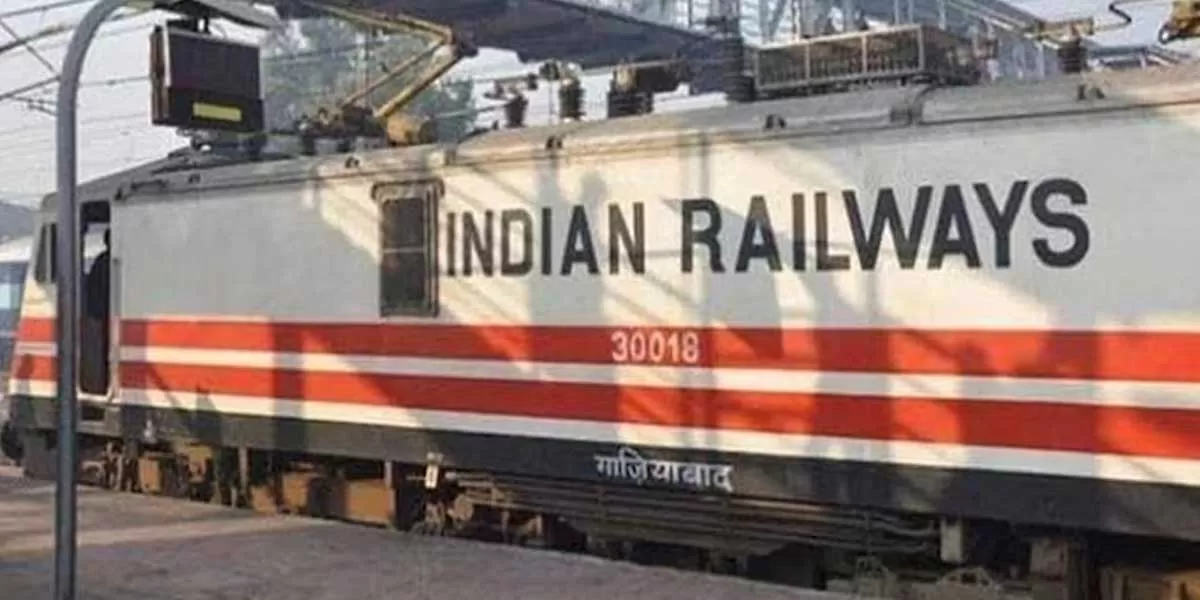
The Railways will construct four more bridges over the Birupa, Mahanadi, Kathajodi, and Kuakhai rivers in Bhubaneswar and Cuttack. These bridges are planned for the 22-kilometre Nergundi-Barang section, and a tender has already been floated for the project. The cost of constructing the 22-kilometer rail line is estimated to be around Rs 10 billion.

This section is part of a larger strategic third line expansion, covering 385 kilometers, between Bhadrak in Odisha and Vizianagaram in Andhra Pradesh on the Howrah-Chennai mainline. Among the planned bridges, the most significant will span 2.1 kilometres over the Mahanadi river.

The first Mahanadi rail bridge, completed in 1899 at an estimated cost of Rs 26,88,200, was considered an engineering marvel at the time. It featured 64 spans, each measuring 30 meters. According to an official statement from East Coast Railway (ECoR), the bridge was designed under the supervision of engineer William Beckett, who received a gold medal from the Institution of Civil Engineers in 1901. The bridge remains a landmark in India?s railway history.

The second Mahanadi rail bridge, commissioned in 2008, was built at a cost of Rs 1.2 billion. Spanning 2.1 kilometres, it was designed to accommodate trains traveling at speeds of up to 160 kilometres per hour and is engineered to withstand seismic activity, according to ECoR sources.

The upcoming Mahanadi rail bridge, along with others over the Birupa, Kathajodi, and Kuakhai rivers, is part of the third line project. These bridges aim to increase capacity and reliability in the railway network while ensuring safe and efficient travel, as reported by official sources.

A senior railway officer highlighted the importance of this project for increasing train traffic capacity and boosting the region's economy by improving connectivity between key industrial and commercial centres in Odisha and beyond. He mentioned that the additional line would help ease congestion on existing routes, reduce travel times, and improve the overall efficiency of both freight and passenger movements.

Currently, train delays occur due to the absence of a third line, with trains from the Dhenkanal side often being held up due to congestion. Ranjit Swain, a railway enthusiast from the city, noted that the Howrah-Chennai mainline passing through Cuttack and Bhubaneswar experiences the highest traffic, and this project is urgently needed to ensure the smooth flow of both freight and passenger trains.

The Railways will construct four more bridges over the Birupa, Mahanadi, Kathajodi, and Kuakhai rivers in Bhubaneswar and Cuttack. These bridges are planned for the 22-kilometre Nergundi-Barang section, and a tender has already been floated for the project. The cost of constructing the 22-kilometer rail line is estimated to be around Rs 10 billion. This section is part of a larger strategic third line expansion, covering 385 kilometers, between Bhadrak in Odisha and Vizianagaram in Andhra Pradesh on the Howrah-Chennai mainline. Among the planned bridges, the most significant will span 2.1 kilometres over the Mahanadi river. The first Mahanadi rail bridge, completed in 1899 at an estimated cost of Rs 26,88,200, was considered an engineering marvel at the time. It featured 64 spans, each measuring 30 meters. According to an official statement from East Coast Railway (ECoR), the bridge was designed under the supervision of engineer William Beckett, who received a gold medal from the Institution of Civil Engineers in 1901. The bridge remains a landmark in India?s railway history. The second Mahanadi rail bridge, commissioned in 2008, was built at a cost of Rs 1.2 billion. Spanning 2.1 kilometres, it was designed to accommodate trains traveling at speeds of up to 160 kilometres per hour and is engineered to withstand seismic activity, according to ECoR sources. The upcoming Mahanadi rail bridge, along with others over the Birupa, Kathajodi, and Kuakhai rivers, is part of the third line project. These bridges aim to increase capacity and reliability in the railway network while ensuring safe and efficient travel, as reported by official sources. A senior railway officer highlighted the importance of this project for increasing train traffic capacity and boosting the region's economy by improving connectivity between key industrial and commercial centres in Odisha and beyond. He mentioned that the additional line would help ease congestion on existing routes, reduce travel times, and improve the overall efficiency of both freight and passenger movements. Currently, train delays occur due to the absence of a third line, with trains from the Dhenkanal side often being held up due to congestion. Ranjit Swain, a railway enthusiast from the city, noted that the Howrah-Chennai mainline passing through Cuttack and Bhubaneswar experiences the highest traffic, and this project is urgently needed to ensure the smooth flow of both freight and passenger trains.

Next Story
Infrastructure Transport

MMRDA advances 250 m on Orange Gate–Marine Drive tunnel

The Mumbai Metropolitan Region Development Authority (MMRDA) has completed 250 m of underground tunnelling for the Orange Gate–Marine Drive Urban Road Tunnel using India’s largest slurry shield tunnel boring machine (TBM) deployed for an urban road project.The project involves twin tunnels extending over 7 km beneath critical transport corridors, including Central Railway, Western Railway and Metro Line 3. The work requires high-precision engineering to navigate densely developed urban infrastructure.Once completed, the tunnel is expected to reduce travel time between Orange Gate and Marin..

Next Story
Infrastructure Urban

Hindustan Zinc Pays Rs 188.46 Billion in FY26

Hindustan Zinc contributed Rs 188.46 billion to the public exchequer in FY 2025-26, according to its 9th Tax Transparency Report. The contribution, equivalent to 46 per cent of the company’s revenue, included direct and indirect taxes, government royalties, dividends to the Government of India, withholding taxes and other statutory levies.The company’s five-year cumulative contribution to the exchequer stood at Rs 915.72 billion. In FY26, Hindustan Zinc reported revenue of Rs 408.44 billion, EBITDA of Rs 221.62 billion and profit after tax of Rs 138.32 billion. It also achieved its highest..

Next Story
Infrastructure Urban

World of Concrete India 2026 Opens in Mumbai

Informa Markets in India will host the 12th edition of World of Concrete India 2026 from 3–5 June 2026 at the Bombay Exhibition Centre, Mumbai. The specialised B2B exhibition will bring together manufacturers, suppliers, contractors, developers, architects, consultants, infrastructure companies, project leaders and government stakeholders.The event is expected to feature over 350 brands and more than 18,000 trade professionals. It will cover concrete and cement, dry mortar, precast technologies, formwork, construction chemicals, industrial and commercial flooring, scaffolding, safety solutio..

Advertisement

Subscribe to Our Newsletter

Get daily newsletters around different themes from Construction world.

STAY CONNECTED

Advertisement

Advertisement

Advertisement

-->