Revisit provision that no metro properties can be attached
RAILWAYS & METRO RAIL

Revisit provision that no metro properties can be attached

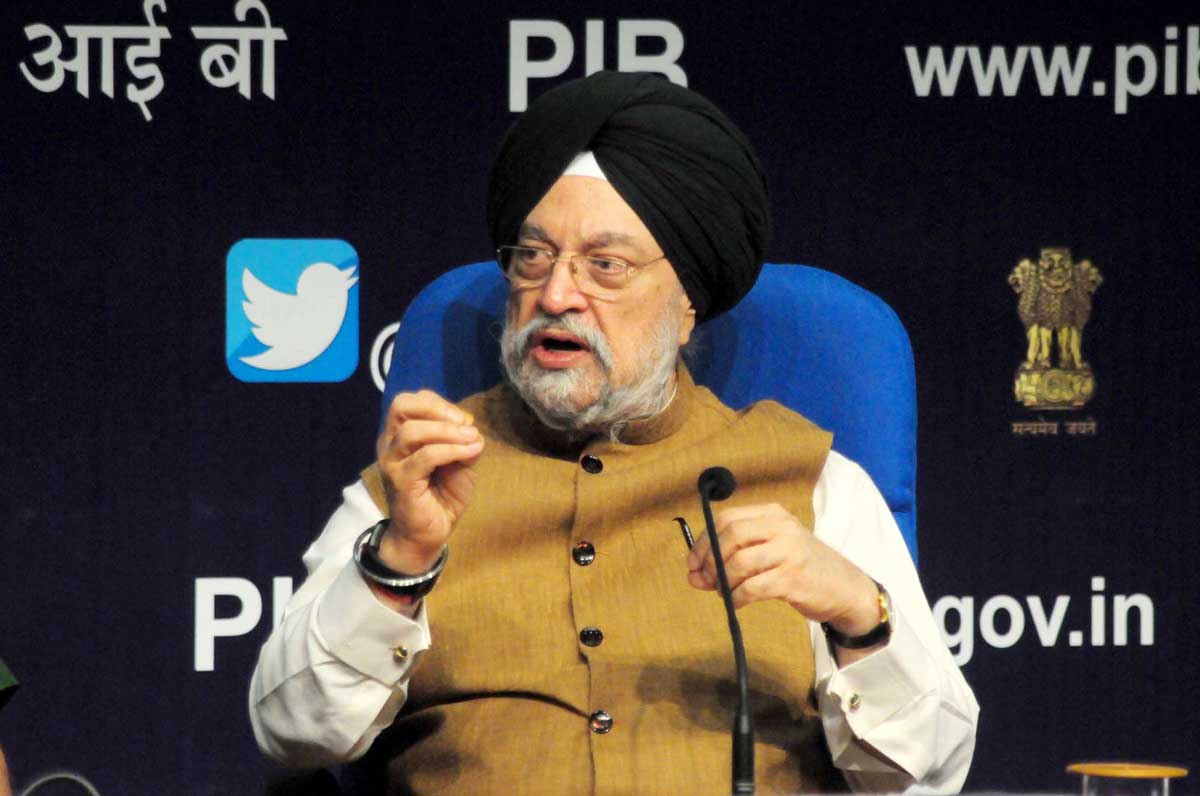
Asserting that the Delhi Metro is the lifeline of the national capital and its surrounding areas, Union Housing and Urban Affairs Minister Hardeep Singh Puri has directed officials to reconsider a Metro Railways Act provision that would prevent the metro's properties or bank accounts from ever being attached.

Puri made the remark in a document attached to the Ministry of Housing and Urban Affairs' supplemental affidavit submitted in the Delhi High Court on March 3. He declined to provide permission to attach Delhi Metro properties, claiming that it has become the lifeline of Delhi and the National Capital Region, with lakhs of people relying on it for a living.

This comes just days after the Delhi High Court directed the Centre to rule on whether to grant sanction for attaching moveable and immovable assets of the Delhi Metro Rail Corporation (DMRC) in order to pay the unpaid amount of an arbitral award to the Reliance Infrastructure-promoted Delhi Airport Metro Express (DAMEPL).

According to the minister, the Delhi Metro serves around 60 lakh passengers in the Delhi-NCR on a daily basis.

"The Central Government is being asked to give approval to attach DMRC properties to pay a corporation that abandoned/deserted the airport metro line services in the first few years of a 30-year contract," the minister added.

He stated that any negative outcome that causes the public utility to come to a halt could result in a significant law-and-order problem spanning roughly 400 kilometres of the metro network.

"I further direct the division to reconsider and revise Section 89 of the Metro Act, 2002, to make it absolute, so that no attachment of its properties, bank accounts, or other assets or operations can ever be carried out," Puri added.

Manoj Joshi, the secretary in the ministry, stated in his own notation in the document attached to the affidavit, "Given the backdrop of the case and in light of public interest, we should not allow for sanction attachment of DMRC assets."

Also Read
Redevelopment works to begin at Ludhiana railway station
Duhai depot of RRTS project starts its operation for 82km

"Join industry leaders at RAHSTA Expo, India's premier platform for roads, highways and traffic infrastructure. Register now to explore innovations, network with experts and shape the future of mobility."

Asserting that the Delhi Metro is the lifeline of the national capital and its surrounding areas, Union Housing and Urban Affairs Minister Hardeep Singh Puri has directed officials to reconsider a Metro Railways Act provision that would prevent the metro's properties or bank accounts from ever being attached. Puri made the remark in a document attached to the Ministry of Housing and Urban Affairs' supplemental affidavit submitted in the Delhi High Court on March 3. He declined to provide permission to attach Delhi Metro properties, claiming that it has become the lifeline of Delhi and the National Capital Region, with lakhs of people relying on it for a living. This comes just days after the Delhi High Court directed the Centre to rule on whether to grant sanction for attaching moveable and immovable assets of the Delhi Metro Rail Corporation (DMRC) in order to pay the unpaid amount of an arbitral award to the Reliance Infrastructure-promoted Delhi Airport Metro Express (DAMEPL). According to the minister, the Delhi Metro serves around 60 lakh passengers in the Delhi-NCR on a daily basis. The Central Government is being asked to give approval to attach DMRC properties to pay a corporation that abandoned/deserted the airport metro line services in the first few years of a 30-year contract, the minister added. He stated that any negative outcome that causes the public utility to come to a halt could result in a significant law-and-order problem spanning roughly 400 kilometres of the metro network. I further direct the division to reconsider and revise Section 89 of the Metro Act, 2002, to make it absolute, so that no attachment of its properties, bank accounts, or other assets or operations can ever be carried out, Puri added. Manoj Joshi, the secretary in the ministry, stated in his own notation in the document attached to the affidavit, Given the backdrop of the case and in light of public interest, we should not allow for sanction attachment of DMRC assets. Also Read Redevelopment works to begin at Ludhiana railway station Duhai depot of RRTS project starts its operation for 82km

Next Story
Real Estate

Pecan Realty Completes Rs 1.5 Billion Transactions

Pecan Realty has recently completed four institutional transactions worth over Rs 1.5 billion over the past two years, strengthening its position as an execution-led real estate platform. The deals include resolution-led acquisitions, structured finance transactions and capital partnerships across its development portfolio.The transactions covered acquisitions through the National Company Law Tribunal process and helped provide repayment or exits to both private and public sector lenders. The company said the deals demonstrate its ability to resolve complex project situations, work with instit..

Next Story
Real Estate

SNN Estates Expands North Bengaluru Housing Project

SNN Estates has announced an expansion of its SNN Estates Felicity residential project in North Bengaluru following strong buyer demand, with 75 per cent of the first-phase inventory sold within three days of launch.The developer will add 76 apartments in the new phase, taking the project's estimated revenue potential to around Rs 1,000 crore upon completion of Phase 2.Spread across 6.5 acres in Rachenahalli, near Manyata Tech Park, the project comprises 604 apartments in 1.5, 2, 2.5, 3 and 4 BHK configurations. The development includes a 50,000-sq-ft clubhouse with amenities such as sports co..

Next Story
Infrastructure Urban

SCG Drives ASEAN Industrial Transformation Strategy

SCG is strengthening its focus on ASEAN as a key growth region by advancing industrial transformation, enhancing competitiveness and building resilient regional value chains. Thammasak Sethaudom, President and Chief Executive Officer, SCG, highlighted the need for industries to continuously develop capabilities, strengthen resilience and deepen regional cooperation to achieve sustainable long-term growth.SCG views ASEAN as an important growth engine alongside China, supported by favourable demographics, trade connectivity and investment flows. With ASEAN’s GDP projected to grow by around 4.7..

Advertisement

Subscribe to Our Newsletter

Get daily newsletters around different themes from Construction world.

STAY CONNECTED

Advertisement

Advertisement

Advertisement