+
Adani ports to acquires 95% stake in Gopalpur port
PORTS & SHIPPING

Adani ports to acquires 95% stake in Gopalpur port

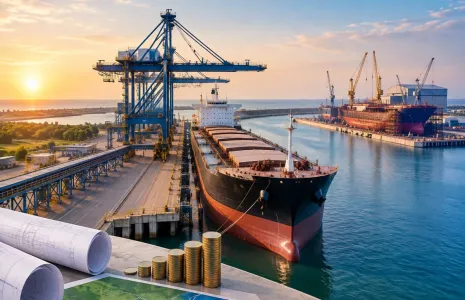
Adani Ports and Special Economic Zone have decided to purchase a 95% stake in Gopalpur Port in Odisha, valued at Rs 13.49 billion, to strengthen their presence on the east coast. They will also acquire a 56% stake from the Shapoorji Pallonji Group (SP Group) and a 39% stake from Orissa Stevedores.

Karan Adani, the managing director at Adani Ports, stated that acquiring Gopalpur Port will contribute to the Adani Group's nationwide port network. This will balance cargo volume between the east and west coasts and reinforce APSEZ's integrated logistics strategy.

Reports suggest that Gopalpur Port handles various dry bulk cargo types, including iron ore, coal, limestone, ilmenite, and alumina. The SP Group's spokesperson stated that the planned divestment of Gopalpur Port reflects their group's ability to enhance assets and generate stakeholder value within a short timeframe, leveraging their expertise in project development and construction.

The SP Group acquired the port in 2017, investing in infrastructure and forging strong industry partnerships. Gopalpur Port now boasts a capacity to handle 20 million tonnes of freight annually, operating with high efficiency levels. Gopalpur Port and Petronet LNG have also decided to collaborate on constructing a greenfield LNG regasification station, expected to generate steady, long-term cash flows for the port.

Adani Ports and Special Economic Zone have decided to purchase a 95% stake in Gopalpur Port in Odisha, valued at Rs 13.49 billion, to strengthen their presence on the east coast. They will also acquire a 56% stake from the Shapoorji Pallonji Group (SP Group) and a 39% stake from Orissa Stevedores. Karan Adani, the managing director at Adani Ports, stated that acquiring Gopalpur Port will contribute to the Adani Group's nationwide port network. This will balance cargo volume between the east and west coasts and reinforce APSEZ's integrated logistics strategy. Reports suggest that Gopalpur Port handles various dry bulk cargo types, including iron ore, coal, limestone, ilmenite, and alumina. The SP Group's spokesperson stated that the planned divestment of Gopalpur Port reflects their group's ability to enhance assets and generate stakeholder value within a short timeframe, leveraging their expertise in project development and construction. The SP Group acquired the port in 2017, investing in infrastructure and forging strong industry partnerships. Gopalpur Port now boasts a capacity to handle 20 million tonnes of freight annually, operating with high efficiency levels. Gopalpur Port and Petronet LNG have also decided to collaborate on constructing a greenfield LNG regasification station, expected to generate steady, long-term cash flows for the port.

Related Stories

Gold Stories
Next Story
Infrastructure Urban

Infrastructure Opportunity Outlook by IMPACCT.Info

India’s infrastructure pipeline is witnessing dynamic activity across stages — from immediate bidding to future planning. IMPACCT segments these into three categories: Immediate, 3–6 Month, and Future Opportunities, enabling businesses to identify, prepare, and participate in high-value tenders and projects across sectors.To read full article Click Here ..

Next Story
Real Estate

Glass, Reframed!

Glass façades, quintessential aesthetic building envelopes globally, have been widely adopted in India as well. But when the focus is high-performance building systems that deliver energy efficiency, comfort and architectural identity, glass isn’t the only preference. Combination solutions, involving glass and some other material, improve façade outcomes. Some combinations come at comparable prices, some at a higher price. Here is a selection of performance-oriented solutions...To read the full story Click Here ..

Next Story
Infrastructure Urban

Beyond Building Faster

India’s cities are expanding at an unprecedented pace, bringing new infrastructure and development opportunities while also intensifying challenges around mobility, public spaces, liveability and supporting infrastructure. The question, therefore, is not simply whether India can build faster, but whether it can build cities that work better.At a CW webinar, Are We Designing Better Cities – or Just Building Faster?, moderator Ar. Samir Shaikh, Founding Principal, AR&UD Studio, brought together perspectives from design, development, master planning and technology...To read the full artic..

Advertisement

Subscribe to Our Newsletter

Get daily newsletters around different themes from Construction world.

STAY CONNECTED

Advertisement

SPECIAL OFFER
QR Code