

Chennai: Port-Maduravoyal corridor project halts
PORTS & SHIPPING

Chennai: Port-Maduravoyal corridor project halts

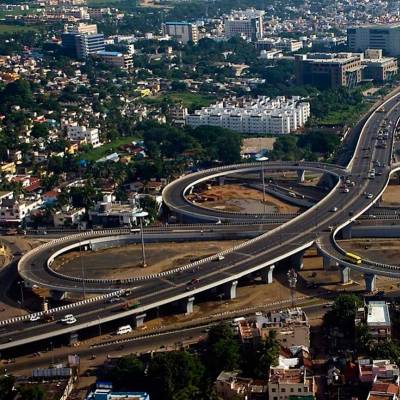
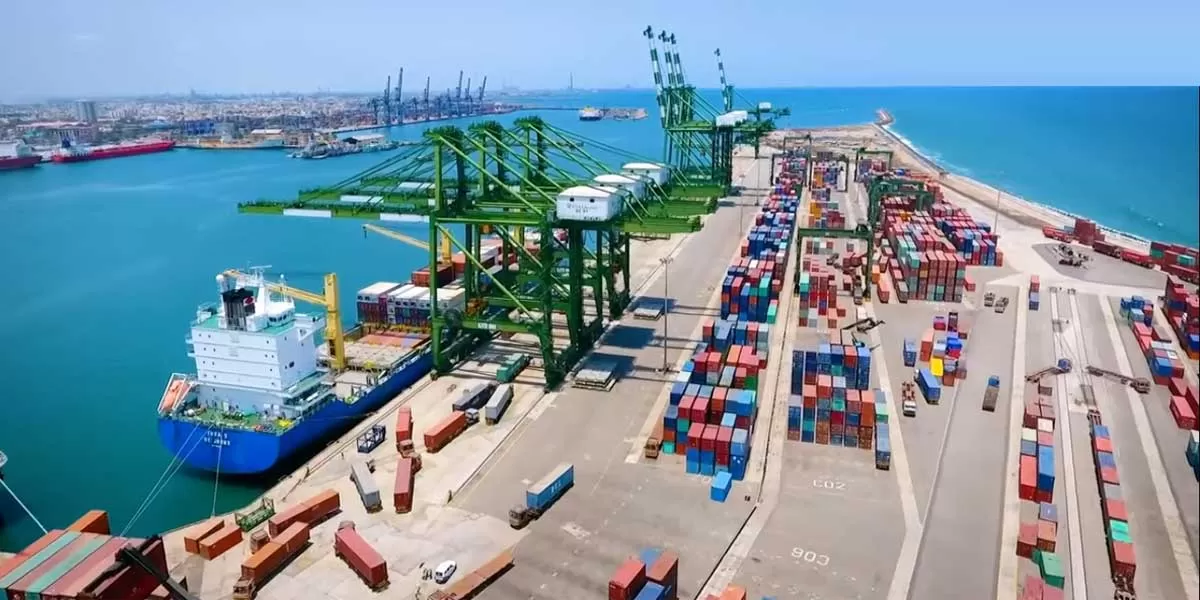
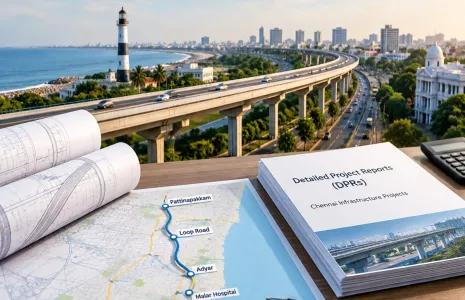
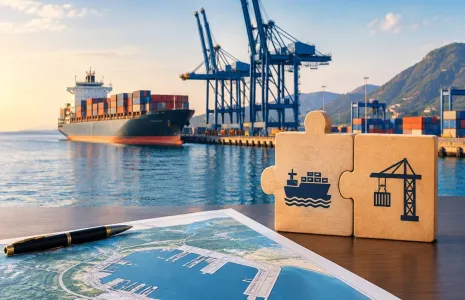
The Chennai port to Maduravoyal elevated expressway project, which had its inception in 2009, commenced construction in January of this year. However, recent developments indicate that the construction work has once again come to a standstill.

The Rs 58.85-billion port-expressway corridor project of the National Highways Authority of India (NHAI) is facing difficulties following directions from the Tamil Nadu Water Resources Department (TN WRD) to cease the ongoing work on the Cooum river. It has also come to light that complaints have been lodged with the National Green Tribunal (NGT), adding to the decade-long series of delays the project has already encountered. The next hearing is scheduled for July 26. Additionally, complaints have been filed with at least four police stations in the city, and legal proceedings are underway at the NGT.

The project drew criticism when NHAI initiated the dumping of debris into the Cooum River to facilitate access for its equipment. Studies suggest that such obstruction to the flow of the Cooum could result in flooding in previously unaffected areas of Chennai during the monsoon season.

On May 28, officials from the WRD, led by their chief engineer, held discussions with NHAI officials, urging the highway authority to formally commit to restoring the river post-construction, collaborating on flood management, addressing any damages incurred, and ensuring public safety.

NHAI is required to cover the entire expense of implementing flood management measures recommended by Anna University's Centre for Water Resources, in addition to restoring the river to its original width to compensate for the area occupied by the pillars.

The Chennai port to Maduravoyal elevated expressway project, which had its inception in 2009, commenced construction in January of this year. However, recent developments indicate that the construction work has once again come to a standstill. The Rs 58.85-billion port-expressway corridor project of the National Highways Authority of India (NHAI) is facing difficulties following directions from the Tamil Nadu Water Resources Department (TN WRD) to cease the ongoing work on the Cooum river. It has also come to light that complaints have been lodged with the National Green Tribunal (NGT), adding to the decade-long series of delays the project has already encountered. The next hearing is scheduled for July 26. Additionally, complaints have been filed with at least four police stations in the city, and legal proceedings are underway at the NGT. The project drew criticism when NHAI initiated the dumping of debris into the Cooum River to facilitate access for its equipment. Studies suggest that such obstruction to the flow of the Cooum could result in flooding in previously unaffected areas of Chennai during the monsoon season. On May 28, officials from the WRD, led by their chief engineer, held discussions with NHAI officials, urging the highway authority to formally commit to restoring the river post-construction, collaborating on flood management, addressing any damages incurred, and ensuring public safety. NHAI is required to cover the entire expense of implementing flood management measures recommended by Anna University's Centre for Water Resources, in addition to restoring the river to its original width to compensate for the area occupied by the pillars.

Next Story
Infrastructure Transport

India Becomes First to Produce Bio-Bitumen for Roads

India has become the first country in the world to commercially produce bio-bitumen for use in road construction, according to Road, Transport and Highways Minister Nitin Gadkari. Bitumen, a black and viscous hydrocarbon derived from crude oil, is a key binding material in road building, and the bio-based alternative is expected to significantly improve the sector’s environmental footprint.Addressing the CSIR Technology Transfer Ceremony in New Delhi, Mr Gadkari congratulated Council of Scientific and Industrial Research on achieving the milestone, noting that the initiative would help curb ..

Next Story
Infrastructure Urban

HILT Policy Seen Boosting Telangana Revenue Sharply

The Hyderabad Industrial Land Transformation (HILT) Policy is expected to generate around Rs 1.08 billion in revenue for the Telangana state exchequer, according to Deputy Chief Minister Bhatti Vikramarka Mallu. Speaking in the Telangana Legislative Assembly, he said the policy would be implemented within a six-month timeframe in a transparent manner, with uniform rules applicable to all stakeholders. Mr Vikramarka noted that without the HILT Policy, the state would have earned only about Rs 1.2 million per acre. Under the new framework, however, revenue is projected to rise sharply to Rs 70 ..

Next Story
Infrastructure Urban

India Post, MoRD Tie Up to Boost Rural Inclusion

The Department of Posts and the Ministry of Rural Development have signed a Memorandum of Understanding to accelerate rural transformation and expand financial, digital and logistics services for Self-Help Groups (SHGs) and rural households across India. The agreement was signed in the presence of Union Minister of Communications and Development of North Eastern Region Jyotiraditya M. Scindia and Union Minister of Rural Development and Agriculture and Farmers’ Welfare Shivraj Singh Chouhan. The collaboration aligns with the government’s “Dak Sewa, Jan Sewa” vision and seeks to repositi..

Advertisement

Subscribe to Our Newsletter

Get daily newsletters around different themes from Construction world.

STAY CONNECTED

Advertisement

Advertisement

Advertisement

Advertisement

Open In App